How to Choose the Right Stainless Gasket in 2026?
Choosing a Stainless Gasket in 2026 is not a matter of picking the hardest metal. The right choice depends on the fluid, temperature, pressure, flange design, and maintenance conditions. A gasket that looks robust on a workbench can still leak when thermal cycling relaxes the joint. Small details matter.
Bolted-joint authority John H. Bickford’s work offers a useful principle: gasket performance depends on the assembled joint, not the gasket alone. That is a paraphrase, not a verbatim quotation. In practice, check the flange surface, available bolt load, and installation procedure alongside the stainless grade. A spiral-wound gasket, a metal-jacketed design, and a solid-metal gasket solve different problems. They are not interchangeable.
This guide will help you compare material grades, gasket styles, and operating limits with clearer criteria. Look closely at corrosion exposure, temperature swings, pressure changes, and the supplier’s technical data. A few minutes spent checking those details can prevent an expensive shutdown. Still, specifications do not tell the whole story. Real service conditions can be messier than the design sheet suggests, and that deserves a second look before ordering.
What a Stainless Steel Gasket Is and Where It Is Used
How to Choose the Right Stainless Gasket in 2026?
What a Stainless Steel Gasket Is and Where It Is Used
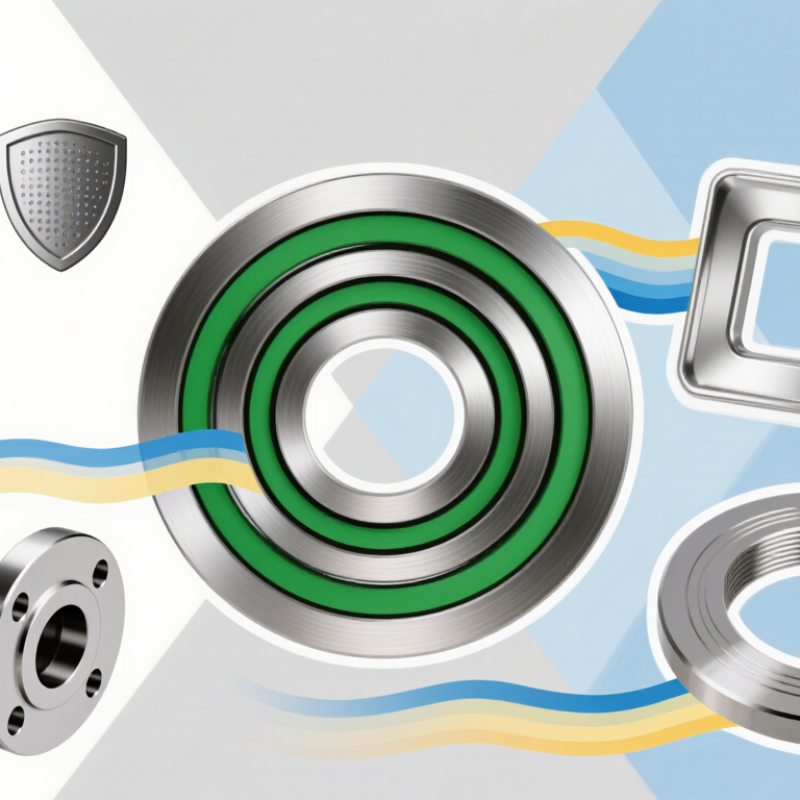
A stainless steel gasket is a sealing component placed between two joined surfaces, such as pipe flanges. When bolts tighten, it compresses to help prevent fluid or gas from escaping. Some gaskets are cut from solid stainless sheet; others combine a metal winding with a softer filler. The design matters. A metal-only gasket may need substantial bolt force and carefully prepared flange faces.
These gaskets appear in industrial piping, pumps, heat exchangers, and pressure vessels. You might find one between flanges carrying hot water, steam, oil, or process chemicals. Stainless steel can resist corrosion and heat, but it is not immune to every fluid or operating condition. Chloride-rich environments, for example, may require careful material review.
For a practical choice, check the medium, temperature, pressure, flange shape, and surface condition. Match the gasket’s dimensions to the flange, and confirm that the bolt load suits its design. Small details count. A scratched sealing face or uneven tightening can cause leakage, even when the gasket material looks appropriate. I would not choose by steel grade alone; compatibility depends on the full operating setup, and that is easy to underestimate.
How to Choose the Right Stainless Gasket in 2026?
What a Stainless Steel Gasket Is and Where It Is Used
Stainless steel gaskets use metal components to seal joints in piping, equipment, and other connections. This chart compares the midpoint of the typical ASTM A240 chromium and nickel composition ranges for grades 304, 316, and 321. Composition alone does not determine gasket suitability: consider the sealing style, fluid compatibility, temperature, pressure, and flange condition.
How to Assess Pressure, Temperature, and Chemical Exposure
Pressure is not just a number on a pipe drawing. Check the system’s maximum operating pressure, pressure spikes, and the flange design before choosing a stainless gasket. A gasket’s performance also depends on its shape, thickness, surface finish, and the load applied by the bolts. If the flange faces are scratched or uneven, even a suitable material may leak. Small details matter.
Temperature can change the decision. Record both steady operating temperatures and short heat surges, plus how often the system cools and reheats. Repeated cycling can loosen a joint or stress the gasket. Chemical exposure needs equal care: identify the exact fluid, its concentration, temperature, and any cleaning agents. Chloride-rich liquids, for example, can increase corrosion risk for some stainless grades. Compatibility charts help, but they may not reflect every mixture or process condition.
Check technical data from a qualified supplier, then compare it with real operating records and maintenance notes. A neat spreadsheet can still miss an occasional washdown or a brief temperature spike. Be honest about what is unknown. If the service is critical or the fluid composition changes, ask a materials specialist to review the selection and confirm the gasket’s pressure and temperature limits.
How to Select a Stainless Steel Grade and Gasket Design
How to Choose the Right Stainless Gasket in 2026?
How to Select a Stainless Steel Grade and Gasket Design
Choosing a stainless gasket starts with the fluid, temperature, pressure, and flange condition—not the grade name alone. Type 304 suits many general services; Type 316, with molybdenum, often offers better resistance to chloride corrosion. For seawater or warm chloride exposure, neither choice should be assumed safe without checking concentration, temperature, and operating history. The World Stainless Association reported 58.4 million tonnes of stainless steel production in 2023. That scale reflects broad use, but it does not make every stainless grade interchangeable.
Match the gasket design to the joint. Spiral-wound designs can accommodate some movement and unevenness, while solid-metal gaskets need suitable flange finishes and adequate seating load. Check the applicable pressure-temperature limits and dimensions, such as those in ASME B16.20, and confirm compatibility with the flange standard. In field reviews, I’ve seen a sound material choice fail because the flange face was scratched. Small details matter. And service records are sometimes incomplete.
Tips: Note the actual fluid chemistry, peak temperature, pressure cycles, and flange finish before specifying a gasket. Ask the supplier for material and dimensional documentation. If chloride levels are uncertain, pause and verify them; that step is easy to overlook.
How to Match Gasket Dimensions to Flanges and Standards
How to Choose the Right Stainless Gasket in 2026?
How to Match Gasket Dimensions to Flanges and Standards
Matching a stainless gasket starts with the flange, not the pipe alone. Confirm the flange standard, nominal pipe size, pressure class, and facing type. A raised-face flange and a ring-type-joint flange need different gasket geometries. ASME B16.5 publishes flange dimensions and pressure-temperature ratings; ASME B16.20 specifies dimensions for metallic gaskets, including spiral-wound designs. Use the tables for the exact combination, rather than estimating from a photo or an old gasket.
Then verify the gasket’s inner and outer diameters, thickness, and construction against the flange drawing. Check that the winding or metal ring will not obstruct the bore, and confirm the stainless grade suits the process temperature and fluid. A gasket can look centered on a workbench yet shift during installation. That detail is easy to miss. If the flange is worn, warped, or from a different standard, dimensional matching alone may not ensure a reliable seal.
Tips: Record the flange marking and measure carefully before ordering. Compare the drawing with the applicable ASME table, including size, class, and facing. For critical service, have a qualified engineer review material compatibility and installation requirements. A quick measurement helps, but it is not a substitute for the standard.