China Top 10 Stainless Gasket Manufacturers?
China Top 10 Stainless Gasket Manufacturers? This question requires more than a simple factory list. Stainless Gasket performance depends on alloy grade, compression behavior, surface finish, and installation control. A polished ring can still leak when bolt loads vary.
World Stainless reported global stainless steel crude production of approximately 58.4 million tonnes in 2023. This large material base supports China’s extensive sealing-component supply chain. Grand View Research also identified industrial gaskets as a growing global market, driven by energy, chemical processing, food production, and heavy manufacturing. However, its market figures cover multiple gasket types, not Stainless Gasket products alone. That limitation matters.
John Bickford, a recognized authority on bolted joints and gasket engineering, wrote, “A gasket is a compressible material used to create a seal between two stationary surfaces.” His statement remains practical. It reminds buyers to assess the complete joint, not only the metal grade.
This introduction will examine ten Chinese manufacturers through technical and commercial evidence. The review will consider stainless grades, manufacturing capability, dimensional control, testing, certifications, export experience, and application history. Relevant references include ASME B16.20, ASTM F36, EN 13555, and ISO 9001 practices. These standards do not prove every supplier’s quality. They provide a clearer comparison framework.
A ranking is never perfectly neutral. Public data can be incomplete. Some suppliers publish impressive catalogs but limited test records. Buyers should request material certificates, inspection reports, sample dimensions, and traceable production details before purchasing. Small differences matter. A flange face, a bolt pattern, or a damaged sealing edge can change the result.
What Are Stainless Steel Gaskets and Where Are They Used?
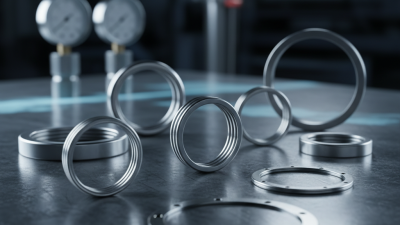
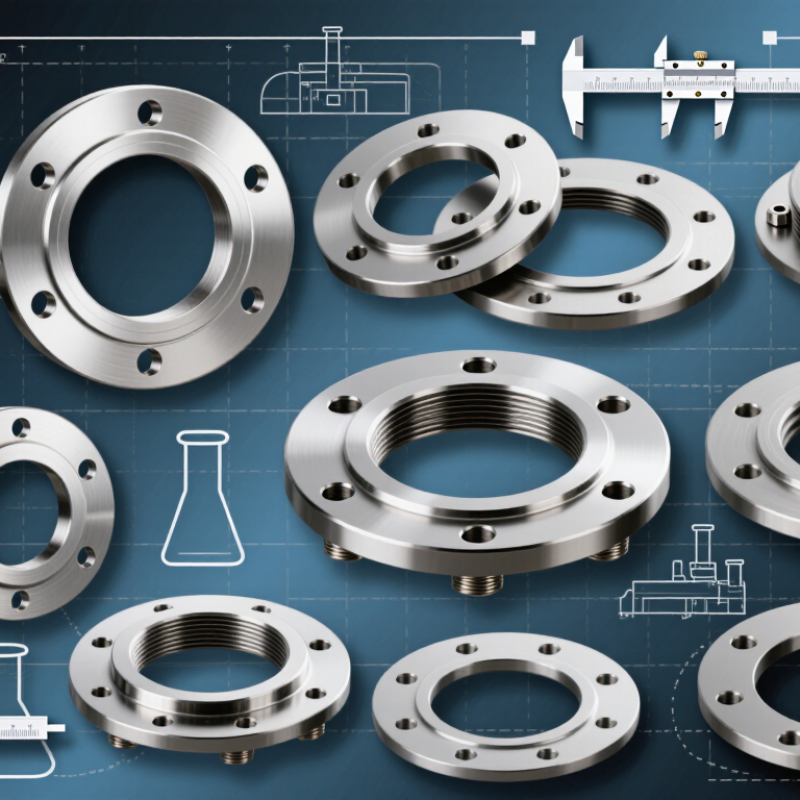
Stainless steel gaskets are sealing components placed between two flanges. They prevent leaks of liquids, gases, steam, and chemicals. Their stainless steel construction offers strength, corrosion resistance, and stable performance across changing temperatures. Common forms include spiral-wound, metal-jacketed, ring-type, and corrugated gaskets.
They are used in refineries, chemical plants, food-processing lines, power stations, and water-treatment systems. A refinery flange may face hot hydrocarbons, while a food line may require clean surfaces and frequent washing. Material selection must match pressure, temperature, fluid chemistry, and flange design. It is not automatic. A gasket that looks strong can still fail after poor compression or uneven bolt tightening.
The World Stainless Association reported global crude stainless steel production of about 58.4 million tonnes in 2023. This large material base supports demanding industrial applications, but production volume alone does not prove gasket reliability. ASME B16.20 provides dimensional and material requirements for several metallic gasket types. ASTM material specifications also help engineers verify nickel, chromium, and carbon content. A 2024 industrial seals market report by Grand View Research projects continued growth through 2030, driven by processing, energy, and infrastructure demand. Field experience adds an uncomfortable detail: installation errors often matter as much as material choice. Surface damage, reused gaskets, and incorrect bolt loads remain practical risks.
Key Criteria for Evaluating Chinese Stainless Gasket Manufacturers
China Top 10 Stainless Gasket Manufacturers?
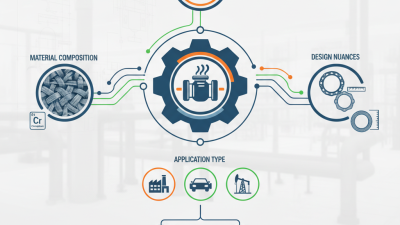
Selecting Chinese stainless gasket manufacturers requires more than comparing prices. The World Stainless Association reported approximately 58.4 million tonnes of global stainless steel production in 2023. This scale increases material choices, but also creates quality differences. Ask for the exact grade, such as 304 or 316L, heat number, and mill certificate. Verify chemical composition through PMI testing. A polished certificate is not proof.
Gasket performance depends on design and process control. Check dimensional tolerances, surface finish, hardness, compression recovery, and leakage results. Request inspection records linked to each production batch. ISO 9001 certification supports process consistency, but it cannot replace product testing. For pressure applications, review testing against the required ASME, EN, or other applicable specification. Confirm whether the manufacturer controls stamping, annealing, cleaning, and packaging internally. Outsourcing is not automatically poor, but unclear responsibility is a warning sign. I would also examine sample edges under magnification. Small burrs can damage sealing surfaces.
Tips:
Send a complete drawing and operating data, including pressure, temperature, medium, flange type, and bolt load. Compare three samples, not one. Use an independent laboratory when the application is critical. Check traceability from raw coil to final inspection. Lead time matters, but rushed production may hide weak controls. One practical weakness remains: online factory claims are difficult to verify. A video call is useful, yet an on-site audit provides stronger evidence.
Top 10 Stainless Gasket Manufacturers in China
Top 10 Stainless Gasket Manufacturers in China
China’s top ten stainless gasket manufacturers are usually judged by more than production volume. Experienced buyers inspect material control, cutting accuracy, sealing performance, and delivery consistency. A serious factory should provide heat numbers, material certificates, dimensional reports, and traceable inspection records. These details matter when gaskets face steam, oil, chemicals, or high-pressure pipelines.
The strongest manufacturers typically include precision stamping factories, spiral-wound gasket specialists, metal-jacketed gasket producers, and custom sealing workshops. Some focus on stainless steel 304 and 316, while others process 321, 347, or nickel-based alloys for demanding environments. Look for clean workshops, calibrated testing equipment, clear drawings, and engineers who understand flange pressure and surface finish.
Ask for samples. Test them.
A polished website is not proof. No ranking is perfect. Factory audits can reveal slower responses, weak packaging, or inconsistent thickness. I would compare production records, inspection methods, export experience, and after-sales communication before choosing among China’s top ten suppliers. Packaging also deserves attention. Thin separators, sealed plastic bags, and dry wooden cases can prevent scratches and moisture damage during long transport. The cheapest quotation may hide poor flatness or unstable material quality. That is an uncomfortable lesson, but an important one.
Product Range, Materials, Standards, and Customization Options
China Top 10 Stainless Gasket Manufacturers?
When comparing China’s top ten stainless gasket manufacturers, product range matters more than catalog size. Common options include spiral wound, metal ring, kammprofile, corrugated, jacketed, and flat gaskets. Each design suits different flange conditions. Spiral wound gaskets handle demanding pressure changes, while flat gaskets fit simpler joints. Small details matter.
Material selection should match temperature, media, and corrosion risk. Stainless steel 304 works for many general applications. Stainless steel 316L offers stronger resistance in chloride environments. Manufacturers may also supply 321, 347, nickel alloys, graphite, PTFE, and flexible graphite combinations. A gasket is not “stainless” in every working part. Fillers, windings, and inner rings need separate verification.
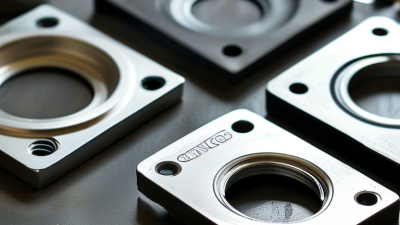
Reliable factories usually work with ASME, ASTM, EN, DIN, and ISO-based requirements. Ask for material certificates, positive material identification, dimensional inspection, and leakage-test records. Customization may include inner and outer diameters, thickness, winding density, centering rings, bolt-hole patterns, and special flange profiles. Drawings should be reviewed before production.
Experience reveals one weakness: a polished product page does not prove stable quality. Batch traceability and inspection evidence are more useful. I would also question unclear pressure ratings. They may depend on temperature, flange design, and installation torque. Good technical support helps customers choose safely, but final performance still depends on correct assembly.
How to Choose the Right Chinese Stainless Gasket Manufacturer
Choosing the Right Chinese Stainless Gasket Manufacturer
China produced about 36.7 million tonnes of crude stainless steel in 2023, according to the World Stainless Steel Association. This scale creates strong sourcing opportunities, but capacity alone proves little. Ask for material certificates, heat numbers, and complete batch traceability. Verify stainless grades through PMI testing, not paperwork alone. A 316L gasket may still fail when thickness, hardness, or surface finish is wrong.
Check whether the manufacturer follows relevant requirements, such as ASME B16.20, EN 10204 3.1, or your project specification. Request dimensional inspection records, compression data, and pressure-test evidence for the actual gasket design. Review tooling control and production samples. A factory should explain tolerances clearly, even when the answer is inconvenient. The 2024 ISO Survey reports over one million ISO 9001 certificates worldwide, so certification is useful, but it is not proof of product quality. Audit the process behind the certificate.
Tips: Send drawings, media details, temperature, pressure, flange type, and operating cycles. Compare samples before comparing prices. Ask for a small pilot batch and inspect sealing surfaces under magnification. Confirm packaging prevents bending and moisture damage. No checklist is perfect. I would also question unusually short lead times, because rushed inspection often becomes an expensive leak. Keep communication records and approve one controlled reference sample before mass production.