2026 Top Stainless Gasket Buyer Guide What You Need to Know?
In the world of industrial applications, the significance of stainless gaskets cannot be overlooked. According to a recent market analysis report from IMARC, the global gasket market is projected to reach approximately $7 billion by 2026. This growth is driven by the increasing demand for sealing solutions in various sectors, including automotive, aerospace, and oil and gas.
Dr. Emily Carter, a leading expert in gasket technology, emphasizes, "The durability and reliability of stainless gaskets make them essential for critical applications." This statement reflects the importance of selecting the right materials for optimal performance. Stainless gaskets are known for their corrosion resistance and ability to withstand high temperatures. However, not all stainless gaskets are created equal.
Buyer awareness is crucial. The choice of a stainless gasket can impact not only the operational efficiency but also safety standards in industrial settings. Faced with many options, buyers must consider factors like material grade, design features, and application suitability. As we navigate through this guide, it’s essential to reflect on common pitfalls and ensure informed decisions that align with your specific needs.

Understanding the Basics of Stainless Gaskets
Stainless gaskets are essential components in various industrial applications. Understanding their basics can help buyers make informed decisions. The material’s corrosion resistance is a key attribute. Stainless steel gaskets can withstand harsh environments, making them ideal for chemical processing and oil industries. The design and thickness of these gaskets greatly influence their sealing capabilities.
When selecting a stainless gasket, consider factors such as temperature and pressure ratings. Different types, like spiral wound and flat gaskets, serve specific purposes. Spiral wound gaskets are popular for their durability and flexibility. In contrast, flat gaskets are more straightforward and cost-effective. Buyers should clarify operational conditions before making a choice. Not every gasket will suit every application.
However, it’s essential to recognize the complexities involved. Misjudging compatibility can lead to leaks or failures. Continuous feedback from applications can guide improvements. Regular consultation with industry experts can enhance decision-making. Everyone can benefit from a deeper understanding of the products that keep industries running smoothly.
2026 Top Stainless Gasket Buyer Guide - Key Material Properties
Key Factors to Consider When Choosing Stainless Gaskets
When choosing stainless gaskets, the material type is crucial. Different stainless steel grades offer varying levels of corrosion resistance and strength. It’s important to match the gasket material to the operating environment. Sometimes, even slight environmental changes can lead to premature failure. Misunderstanding this can be costly.
Another key factor is the gasket design. Various designs serve different applications. For example, spiral wound gaskets provide excellent sealing for high-pressure situations. On the other hand, flat gaskets may be more suitable for lower-pressure applications. Choosing the right design ensures reliability and efficiency in sealing. Yet, many overlook the significance of matching the design to the specific application.
Installation methods also play a vital role. Proper installation can enhance the gasket's lifespan. Incorrect installation often leads to leaks, which can cause significant operational issues. Many users underestimate the importance of following manufacturer guidelines. This oversight can create problems down the line. Therefore, taking the time to understand these factors ensures better performance and longevity of stainless gaskets.
Types of Stainless Gaskets and Their Applications
Stainless gaskets are essential components used in various industries. Their durability and resistance to corrosion make them ideal for demanding applications. Understanding the different types of stainless gaskets is crucial for selecting the right one for your needs.
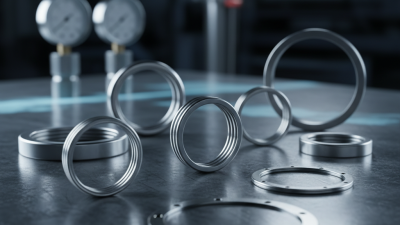
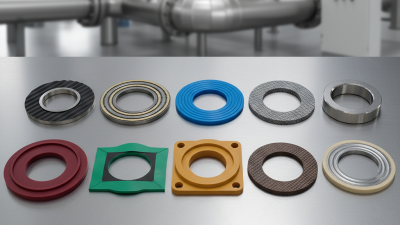
There are several types of stainless gaskets, each with specific applications. Ring gaskets are common in piping systems, providing a reliable seal in high-pressure environments. Spiral-wound gaskets combine metal and filler materials, delivering enhanced performance for fluctuating temperatures. They are often found in chemical processing industries.
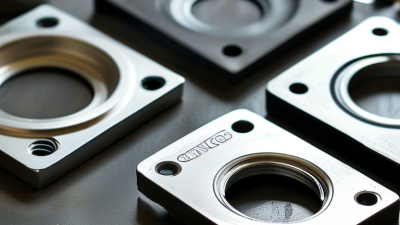
Flat gaskets are a straightforward option and are widely used in home appliances and machinery. However, they may not perform well under extreme conditions. In contrast, metal-core gaskets are better suited for high-temperature applications but require careful handling to avoid damage. It's essential to evaluate the requirements of each application to choose the most suitable gasket type. Always consider factors like pressure, temperature, and material compatibility when making your decision.
Maintenance Tips for Stainless Gaskets to Ensure Longevity
Proper maintenance of stainless gaskets is essential for their longevity and performance. Regular inspections are crucial. Look for signs of wear, corrosion, or deformation. Even the slightest damage can lead to leaks, compromising the integrity of the entire system. Clean the gaskets periodically using gentle solvents. Aggressive chemicals can degrade the material, so choose wisely.
Storage is often overlooked, yet it impacts the lifespan. Keep gaskets in a cool, dry environment, away from direct sunlight. Humidity can cause rust, while UV rays can weaken the material. When installing, ensure a proper fit. Too tight or loose can cause premature failure. Always follow recommended torque specifications to maintain a secure seal.
After installation, monitor for issues over time. Small leaks might go unnoticed at first but can escalate into major problems. Be mindful of the operating conditions. High temperatures and pressures can stress gaskets beyond their limits. Regularly review maintenance habits. As systems age, re-evaluating practices is crucial for optimal function. A proactive approach ensures your gaskets serve you well for years.
Common Mistakes to Avoid When Purchasing Stainless Gaskets
When purchasing stainless gaskets, several common mistakes often arise. One prevalent error is overlooking the material specifications. Stainless steel comes in various grades, and the right choice depends on your application. Using the incorrect grade can lead to premature failure. It’s crucial to understand the specific requirements of your environment, including temperature and chemical exposure.
Another frequent mistake is improperly measuring for the gasket. Accurate dimensions are vital for a proper seal. Many buyers guess or rely on old gaskets that may not be correct anymore. Always take time to measure the flange surfaces and consider the thickness needed. A small error in measurement could result in leaks.
Lastly, many buyers fail to consider the experience of the supplier. It’s essential to choose a supplier with knowledge in the industry. Genuine expertise can help you avoid sub-par products and provide tailored advice. Before making a purchase, do some research, and read reviews. This diligence can save you time and money in the long run. Reflect on past experiences and make decisions that prioritize quality over price.
2026 Top Stainless Gasket Buyer Guide What You Need to Know? - Common Mistakes to Avoid When Purchasing Stainless Gaskets
| Mistake |
Impact |
Recommendation |
| Choosing the wrong material |
Increased risk of leakage |
Assess application requirements |
| Ignoring temperature ratings |
Gasket failure |
Check material specs |
| Not verifying sealant compatibility |
Damage to gasket |
Test sealants prior to use |
| Overlooking installation guidelines |
Incorrect gasket positioning |
Follow manufacturer instructions |
| Failing to account for pressure ratings |
Gasket rupture |
Understand pressure requirements |