Leave Your Message

7 Tips for Choosing the Right Galvanized Gasket

A gasket may seem like a small part, but a poor match can cause leaks, equipment downtime, or repeated maintenance. Choosing the right Galvanized Gasket takes more than checking its outside diameter. You need to understand where it will work, what it will contact, and how the joint will be assembled. Details matter.

Start with the service conditions. Record the operating temperature, pressure, and the type of fluid or gas in the system. Then confirm the gasket’s dimensions, thickness, and required sealing surface against the equipment drawings. Galvanized steel can offer useful corrosion protection in suitable environments, but its coating does not make every gasket suitable for every chemical or exposure. Check the product data and ask the supplier to clarify any material or coating details that are missing. A catalog photo is not enough.

Installation deserves equal attention. A gasket can fail when surfaces are uneven, bolts are tightened inconsistently, or the joint is reused when it should be replaced. Review the manufacturer’s guidance for tightening and service limits, and consider how often the assembly will be opened for inspection. If the application is critical, seek advice from a qualified engineer or gasket specialist rather than guessing from a similar installation. That may feel cautious. It is. These seven tips will help you compare options, spot important questions, and choose a gasket based on the real demands of your application—not just price or appearance.
7 Tips for Choosing the Right Galvanized Gasket

Identify the Operating Conditions and Service Environment

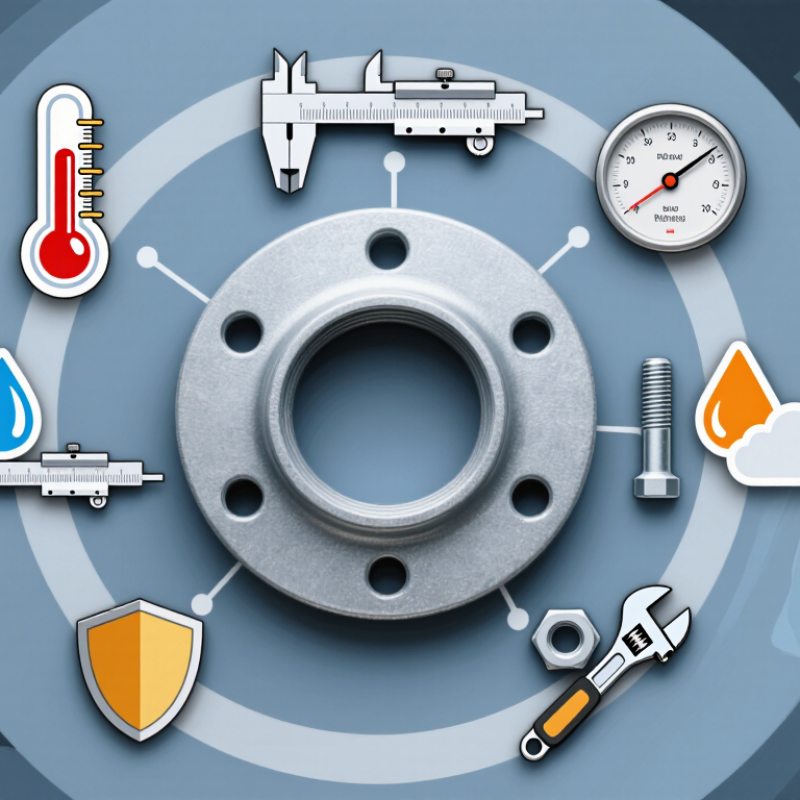
Before choosing a galvanized gasket, record the actual operating conditions, not just the system’s normal readings. Note pressure, temperature, fluid type, and how often the equipment starts, stops, or experiences pressure spikes. A seal handling cool water may respond differently to hot water, oil, or a cleaning solution. Check the gasket manufacturer’s specifications for the complete assembly; the zinc coating alone does not define its pressure or temperature limits.

One detail is easy to miss: brief temperature peaks during start-up may matter as much as steady operating heat. Zinc coatings can deteriorate under elevated temperatures, and their resistance depends on the coating and exposure. Consider moisture, salt spray, chemical vapors, and outdoor exposure around the joint. Zinc can protect underlying steel, but that protection is not unlimited. Dissimilar metals, such as a galvanized part against another metal flange, may also affect corrosion behavior in a damp setting. Inspect the flange faces for scratches, unevenness, or old residue, since these can undermine sealing. I would not assume the gasket is suitable just because the pipe itself is galvanized. When conditions are uncertain, compare the service details with the product data and ask a qualified engineer to review the application.
Choose a Suitable Gasket Design and Galvanized Material

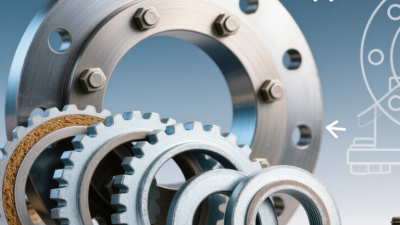
Match the gasket design to the flange face and load path. A raised-face joint needs different contact geometry than a flat-face joint. Confirm dimensions, bolt load, pressure, temperature, fluid chemistry, and surface finish before specifying a galvanized steel facing or carrier. The coating does not replace the sealing element. Ask whether zinc could contact the process fluid directly. This detail is easy to miss.

ISO 9223:2012 classifies first-year atmospheric zinc corrosion rates from 0.1 micrometre per year or less in C1 environments to 8.4–25 micrometres per year in CX environments. These figures describe atmospheric exposure, not immersed pipework or a compressed flange crevice. Treat them as screening context, not a service-life guarantee. For damp, salty, or chemically aggressive service, check coating compatibility and request coating-thickness and substrate records. A thicker coating is not automatically better; it can affect fit or wear under compression. Small details matter. Verify dimensions and bolt-up procedures against the applicable equipment specification, then inspect a trial assembly for even seating. Real joints are less tidy than drawings.

Galvanized Steel Coating Mass: Common Z Designations

EN 10346 Z coating designations correspond to the specified total zinc coating mass on both sides of the steel sheet.

Use coating mass as one material-selection factor, not as a measure of gasket performance. For a suitable gasket, also check the sheet thickness, gasket design, operating temperature, pressure, and the fluids it will contact.

Check Dimensions, Flange Type, and Surface Finish

Measure the gasket’s inner diameter, outer diameter, and thickness against the flange drawing. Check bolt-hole spacing and count, too. Small errors matter. A gasket that projects into the bore may obstruct flow, while misaligned holes can make even tightening difficult. An old gasket is a useful clue, not a reliable specification; wear may have changed its shape.

Confirm the flange type before choosing a gasket. Raised-face, flat-face, and grooved flanges need different contact areas and sealing arrangements. Check the facing as well as the bolt pattern. A gasket intended for one flange style may not seat properly on another. If the parts are galvanized, verify that the gasket and mating surfaces are suitable for the service conditions and won’t be damaged during installation.

Surface finish affects how well the gasket seals. Look for the specified roughness, often listed as Ra, and compare it with the gasket and equipment requirements. There is no single finish that suits every gasket. Inspect for scratches, burrs, corrosion, and old residue; these can create leak paths. Clean gently. Aggressive scraping can damage a protective coating, and that risk is easy to overlook.

Compare Sealing Performance, Corrosion Resistance, and Durability

A galvanized gasket must seal well before its coating matters. Check the flange surface, bolt pattern, and required compression. On a clean, flat joint, the right thickness can close small gaps without excessive bolt load. A gasket that is too thick may shift or compress unevenly. Fit matters more.

Corrosion resistance depends on the actual environment. Zinc coating can protect steel from moisture and light exposure, but scratched edges may corrode sooner. Salt spray, cleaning chemicals, and process fluids can change the result. Check compatibility data for the fluid and temperature, rather than relying on the word “galvanized.” A bright finish alone proves little.

Durability comes from both material and operating conditions. Repeated pressure cycles, vibration, and heat can loosen a joint or damage the coating. Inspect cut edges and contact areas, especially after installation. One detail is easy to miss: a sound-looking gasket can still leak if the flange is warped. Compare test data for sealing and corrosion resistance, then match it to the service conditions. I would also leave room for uncertainty; real joints rarely behave exactly like a clean test sample.

Confirm Installation Requirements and Ongoing Maintenance

Before selecting a galvanized gasket, confirm the actual service conditions: fluid, pressure, temperature, flange type, and required dimensions. Record the flange’s condition, too. Pitting, warped faces, or damaged zinc coating can undermine sealing, even when the gasket size looks correct. Small details matter. Check that the coating and gasket materials suit the fluid and operating temperature; galvanizing is not a universal corrosion barrier.

During installation, follow the specified bolt sequence and tightening target, using a calibrated tool where required. Uneven loading can crush the gasket or leave a leak path. Avoid scraping the coating while handling parts, and never compensate for a poor fit by overtightening. For maintenance, inspect for seepage, rust staining, loose fasteners, and changes in operating conditions. Isolate and depressurize equipment before inspection, and retighten only when the approved procedure permits it. A casual “quick turn” can make things worse.

Corrosion deserves attention beyond the joint itself. NACE International’s 2016 IMPACT study estimated corrosion costs at US$2.5 trillion annually, about 3.4% of global GDP. That figure covers many industries and is not gasket-specific, but it shows why material checks and routine inspections matter. Keep a simple service record: installation date, torque method, fluid, and any leak observations. It may feel excessive at first. It helps reveal patterns.

7 Tips for Choosing the Right Galvanized Gasket - Confirm Installation Requirements and Ongoing Maintenance

Tip Selection or Installation Factor What to Confirm Maintenance Check
1 Operating conditions Check the fluid, operating pressure, temperature range, and exposure conditions against the gasket design and its documented limits. A zinc coating does not determine the gasket’s pressure or temperature rating. Review service records for temperature or pressure changes, leaks, and signs of chemical attack. Reassess gasket suitability if operating conditions change.
2 Base material and coating Confirm the gasket’s base material, zinc-coating type, coating coverage, and applicable specifications. Check that the coating and base metal are suitable for the environment and do not contaminate the process. Inspect accessible areas for red rust, flaking, damaged coating, or corrosion. Replace parts that no longer meet the application’s requirements.
3 Dimensions and fit Match the gasket’s inside and outside diameters, thickness, and bolt-hole pattern to the joint drawing and mating components. Confirm that the gasket will not obstruct the flow path or interfere with fasteners. When the joint is opened, check for distortion, uneven contact, and evidence that the gasket shifted during installation.
4 Flange and sealing surfaces Verify that the gasket type is compatible with the flange face and that both mating surfaces are clean, aligned, and free of damage that could prevent sealing. During planned inspections, look for scratches, pitting, deposits, or uneven wear on accessible sealing surfaces. Correct surface issues before fitting a replacement gasket.
5 Bolt load and tightening procedure Use the specified fasteners and the joint’s approved tightening sequence and target. Torque depends on factors such as bolt material, thread condition, and lubrication; do not apply a generic torque value. Record the installation procedure and any approved inspection findings. Do not retighten a hot or pressurized joint unless an approved procedure specifically permits it.
6 Environmental and metal compatibility Consider moisture, salts, chemicals, and contact with dissimilar metals. In conductive, wet environments, galvanic corrosion may be a concern; confirm material compatibility for the complete joint. Check exposed joints for corrosion, trapped moisture, and coating damage, especially in outdoor, coastal, or washdown locations. Use only approved protective measures.
7 Replacement and maintenance plan Confirm whether the gasket is intended for one-time use and follow the applicable joint procedure. Keep the correct dimensions and material specification in maintenance records. Set inspection frequency according to service risk, operating conditions, and site procedures. Isolate and depressurize equipment before opening a joint, and replace a gasket if it is damaged or its reuse is not approved.