Best Metal Wall Buckle Options for Global Buyers?
Choosing the right Metal Wall Buckle can significantly impact your project. Many buyers face challenges when selecting the best option. The market offers various types of metal wall buckles, each with unique features.
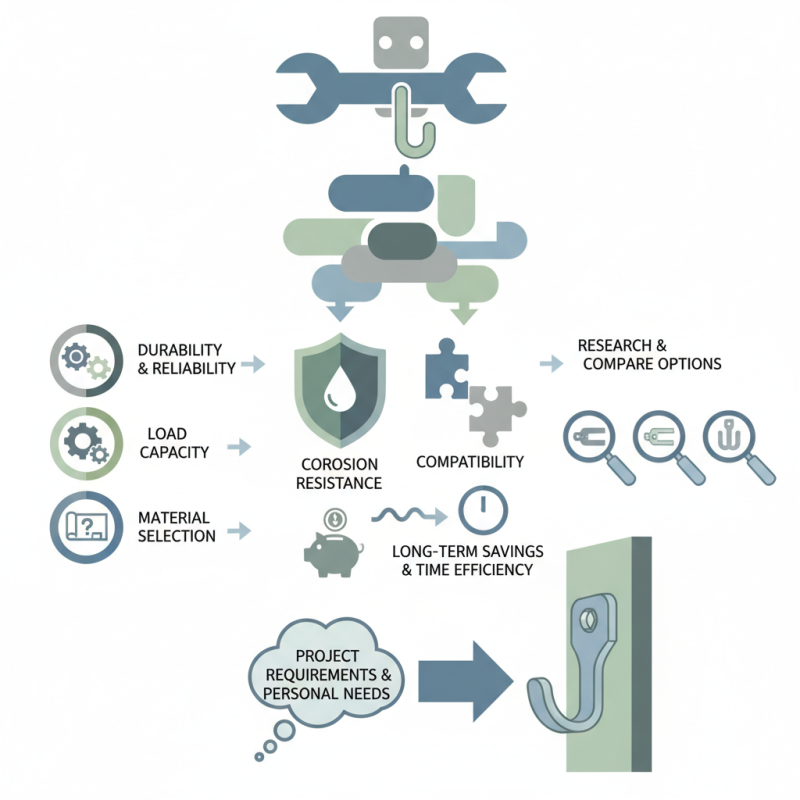
A quality Metal Wall Buckle ensures durability and reliability. It’s crucial to consider factors like load capacity and material. Not all buckles perform equally well in different environments. Some buyers may overlook critical details like corrosion resistance and compatibility.
Investing in a high-quality Metal Wall Buckle can save headaches in the long run. However, not every product meets high standards. Researching and comparing options helps buyers avoid potential pitfalls. Reflecting on personal needs and project requirements is essential before making a decision.
Top Metal Wall Buckle Designs for Diverse Applications
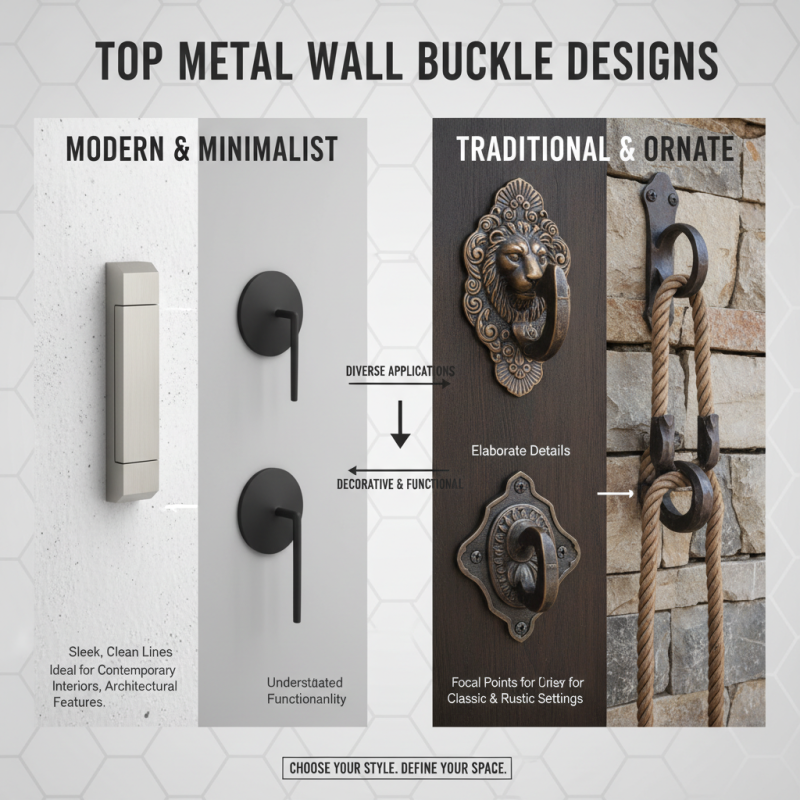
When selecting metal wall buckles, consider their designs and applications. Various styles accommodate different needs, from decorative elements to functional uses. For example, sleek minimalistic designs pair well with modern interiors. Alternatively, more ornate buckles can serve as focal points in traditional settings.
Tips: Ensure the right size for your project. Measure your wall space and buckle before purchasing. Also, consider the weight capacity of each buckle. They must support the items you plan to hang.
The finish of metal buckles matters, too. A rust-resistant coating is essential for outdoor installations. For indoor use, select finishes that complement your decor. It’s important to reflect on your choices. A mismatch can lead to disappointing results. The right buckle enhances both utility and aesthetics.
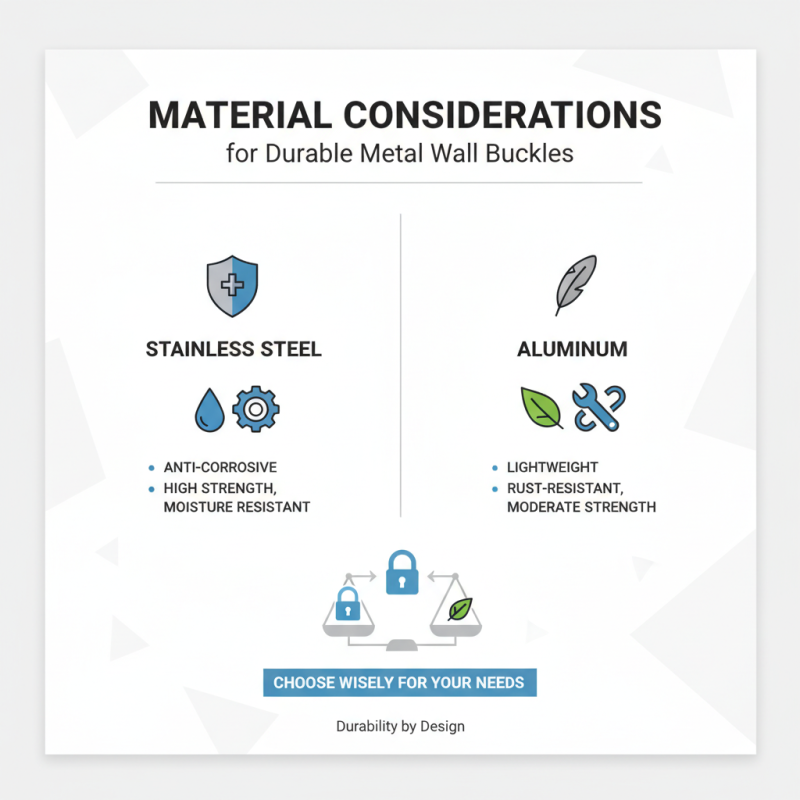
Material Considerations for Durable Metal Wall Buckles
When choosing metal wall buckles, material plays a crucial role in determining durability. Stainless steel is often favored for its anti-corrosive properties. It withstands moisture and harsh conditions better than other metals. Aluminum is lightweight and resistant to rust but may not be as strong as stainless steel. Both materials have their advantages and disadvantages, making selection essential for your specific needs.
Consider your environment when selecting materials. If the wall buckle will be exposed to extreme weather, stainless steel is a safer bet. For indoor applications, aluminum may suffice. Reflect on the usage too; heavy items require sturdier solutions. Each material has a distinct lifespan, influenced by environmental factors.
Tips: Always assess the weight capacity before purchase. Ensure the buckle matches your intended use. Don’t underestimate the importance of finish. A smooth surface can prevent scratches and wear. Remember, the choice of material doesn't just affect performance; it also contributes to the aesthetic of your space. Achieving a balance between durability and style is key.
Key Features to Look for in Quality Metal Wall Buckles
When selecting metal wall buckles, key features can determine their quality and reliability. Start by considering material durability. High-quality metal, like stainless steel, resists corrosion and offers longevity. Look for buckles that can sustain various weight loads. This ensures they meet your project’s needs.
Another essential feature is the design. A secure locking mechanism enhances reliability. You want a buckle that holds firm under pressure. Avoid overly complicated designs that may fail over time. Simplicity often leads to better functionality.
**Tips:** Pay attention to customer reviews. They can reveal real-life performance. Testing a sample buckle before a bulk purchase can prevent future issues. Remember, sometimes what seems sturdy may not perform well.
Lastly, evaluate the versatility of the buckle. Choose options that can adapt to different wall types. Materials should suit both indoor and outdoor applications. Reflect on how each buckle fits into your overall project needs. Making informed choices can greatly enhance your results.
Best Metal Wall Buckle Options for Global Buyers
Global Market Trends in Metal Wall Buckle Manufacturing
The global market for metal wall buckles is evolving rapidly. Manufacturers are innovating to meet diverse customer needs. The rise in construction and interior design projects fuels demand. Buyers are looking for durable, aesthetic, and functional solutions. A trend toward eco-friendly materials is emerging, as sustainability becomes a priority.
Regional variations impact production techniques and pricing. Some areas focus on high-quality metal sourcing, while others prioritize cost efficiency. Inconsistent quality can be an issue. Buyers must be cautious about choosing suppliers. Understanding the local market can lead to better purchasing decisions. Trends indicate an increasing interest in customization. Many clients want unique designs that match their decor.
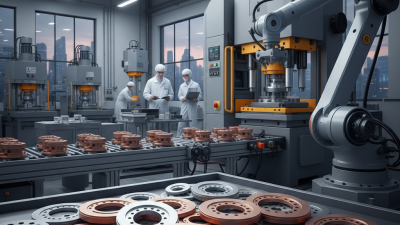
Emerging technologies are reshaping the manufacturing landscape. Automation improves efficiency, yet it may decrease traditional craftsmanship. This shift can lead to a loss of artistry in design. There are debates on balancing innovation with maintaining quality. The industry is at a crossroads, where change presents both opportunities and challenges.
Best Practices for Installing Metal Wall Buckles Effectively
When installing metal wall buckles, it’s crucial to consider professional guidance. Start by selecting the right materials for your project. The thickness of the buckle should match the weight it will support. Poor matches can lead to failure, so always double-check specifications.
Preparation is key before installation. Ensure your wall surface is clean and dry. Dust or moisture can weaken the adhesive grip. Use a level to ensure precision. Misalignment can create stress and eventually lead to issues down the line.
Another aspect to consider is the placement of the buckles. Adequate spacing aids in distributing weight evenly. Too close together? You risk overloading one area. Too far apart? Buckles may not serve their purpose effectively. Reflect on these elements as they will contribute to a more reliable installation.