What is a Stainless Steel Gasket and Why is it Important?
Stainless steel gaskets play a crucial role in various industries, ensuring airtight and leak-proof connections in equipment and piping systems. Their corrosion resistance and ability to withstand high temperatures make them indispensable. According to a report by MarketsandMarkets, the global gasket market is projected to reach $78.8 billion by 2026, highlighting the importance of materials like stainless steel.
Dr. Emily Hart, a leading expert in gasket technology, once stated, “The durability of a Stainless Steel Gasket can significantly impact system performance.” This emphasizes the need to select appropriate materials for specific applications. However, the industry faces challenges, such as the variability in production standards.
As industries evolve, the demand for high-quality stainless steel gaskets continues to grow. Some manufacturers still struggle with consistency in their products, which can lead to unexpected failures. Addressing these issues is critical for maintaining safety and efficiency in operations.
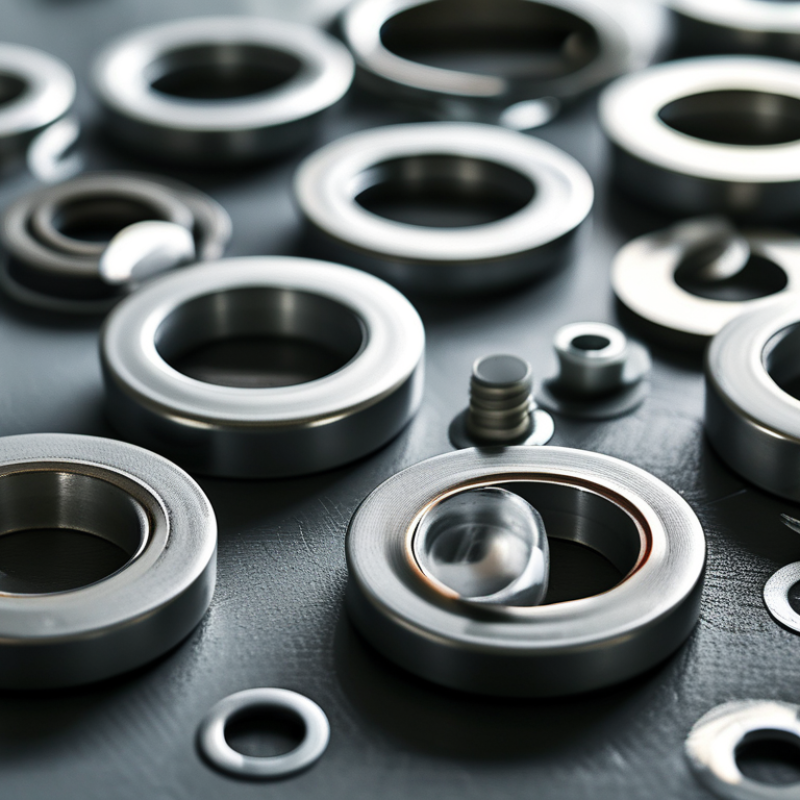
What is Stainless Steel and Its Properties?
Stainless steel is an iron alloy with a minimum of 10.5% chromium. It is renowned for its corrosion resistance, strength, and durability. These properties make it an excellent choice for various applications. The chromium forms a passive layer of oxide on the surface, which protects the metal from rusting. Additionally, stainless steel is easy to clean, maintaining hygiene in industrial and kitchen environments.
Tips: Consider the environment where the stainless steel gasket will be used. High humidity or exposure to certain chemicals can affect its performance.
Another crucial property of stainless steel is its ability to withstand extreme temperatures. This trait is valuable in industries such as automotive and aerospace. However, improper handling or installation can lead to gasket failure. Regular inspections and maintenance are essential to ensure long-term reliability.
Tips: Always choose the right grade of stainless steel for your specific application. Consulting a material expert can help avoid costly mistakes.
While stainless steel gaskets offer many advantages, they are not perfect. They can be more expensive than other materials. Budgeting for quality is vital, but cutting corners can lead to issues down the line. Understanding the properties of stainless steel helps in making informed decisions, ultimately ensuring better performance in your projects.
The Functionality of Gaskets in Industrial Applications
Gaskets play a crucial role in industrial applications. They seal joints between different components. These seals prevent leaks of gases or liquids. Stainless steel gaskets offer durability and resistance to extreme conditions. Their strength makes them suitable for high-pressure environments.
In many situations, improper gasket selection can lead to failures. An inadequate gasket may not withstand temperature fluctuations. Regular maintenance is vital to ensure the integrity of these seals. Inspect gaskets regularly for signs of wear or damage.
Tips: Always consider the material's compatibility with fluids. Evaluate the operational conditions carefully before making a choice. Don’t overlook the installation process. Even high-quality gaskets can fail if not installed correctly.
Types of Stainless Steel Gaskets and Their Uses
Stainless steel gaskets come in various types, each suited for specific applications. One common type is the flat gasket. It is simple and ideal for low-pressure applications. Flat gaskets prevent leaks between two flat surfaces by forming a tight seal. These are often used in plumbing and automotive applications.
Another type is the spiral wound gasket. This design combines layers of stainless steel and filler material. It can handle high pressure and temperature. Industries such as oil and gas often rely on this gasket. Its durability makes it essential in preventing failures in critical areas.
Ring gaskets are crucial for flanged joints. They offer both strength and flexibility. However, improper installation can lead to leaks. This underscores the importance of selecting the right gasket for each job. Attention to detail can make a significant difference in performance. Choosing wisely ensures reliability in various environments.
Benefits of Stainless Steel Gaskets Compared to Other Materials
Stainless steel gaskets are a vital component in various industrial applications. They provide excellent sealing properties against liquids and gases. Their strong resistance to corrosion sets them apart from gaskets made from rubber or other materials. According to industry reports, stainless steel gaskets boast a tensile strength of about 200-800 MPa, depending on the grade used. This strength ensures durability under high pressure and temperature conditions, making them ideal for critical applications.
In environments prone to extreme temperatures, stainless steel gaskets maintain integrity better than their counterparts. For instance, at temperatures above 500°F, rubber gaskets may degrade, leading to leaks. Conversely, stainless steel can withstand such challenges, providing a reliable seal. Moreover, studies reveal that they last longer and require less frequent replacements, which enhances overall efficiency.
However, it’s essential to consider costs. Stainless steel gaskets can be more expensive upfront compared to rubber. This may lead to hesitation for some businesses, especially those with tight budgets. A careful evaluation of long-term benefits is necessary. One must weigh initial expenses against the potential for lower maintenance costs and increased safety in operations.
Maintenance and Care for Stainless Steel Gaskets
Stainless steel gaskets play a crucial role in industrial applications. Their effectiveness greatly depends on proper maintenance and care. According to the International Society for Advancement of Material and Process Engineering, regular inspection is key. Studies show that neglected gaskets can lead to leaks, costing industries millions annually.
To maintain stainless steel gaskets, clean them regularly. Use a soft cloth to remove contaminants. Over time, corrosion may occur even in stainless steel. A recent report by the Materials Performance Journal revealed that 30% of gasket failures stem from improper maintenance. Ensure that gaskets are installed correctly to avoid unintentional damage during operations.
Environmental factors also influence gasket longevity. High temperatures can warp gaskets, while exposure to chemicals may degrade them. Monitoring these conditions is essential. Industrial facilities need to adopt proactive measures for maintaining gaskets. This approach can minimize unexpected equipment failures and ensure operational efficiency. Consider implementing a routine check-up schedule to prevent potential issues down the line.
Importance of Stainless Steel Gaskets
This bar chart illustrates the various factors contributing to the importance of stainless steel gaskets in maintenance and care tasks. Each factor is represented in percentage, demonstrating how critical they are to overall performance.