10 Essential Tips for Choosing Automotive Metal Stamping Parts?
Choosing the right automotive metal stamping parts is critical for any vehicle manufacturer. These components play a vital role in ensuring durability and functionality. They are used in many applications, from structural supports to decorative elements. With the right selections, you can enhance overall performance.
However, making the right choice can be challenging. Manufacturers often face a range of options with varying qualities and specifications. Some parts may look similar but differ significantly in terms of material strength and compatibility. It's essential to understand that the right automotive metal stamping parts can improve efficiency and reduce costs over time.
Many factors influence the selection process. Consideration of material, precision, and production methods is crucial. Manufacturers should also think about the source's reliability and experience in the industry. Reflecting on these factors helps in making informed decisions that will impact long-term success. Ultimately, the investment in high-quality automotive metal stamping parts is one that pays off in numerous ways.
Understanding the Basics of Automotive Metal Stamping Parts
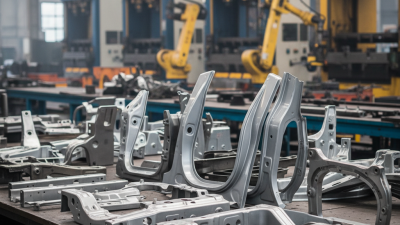
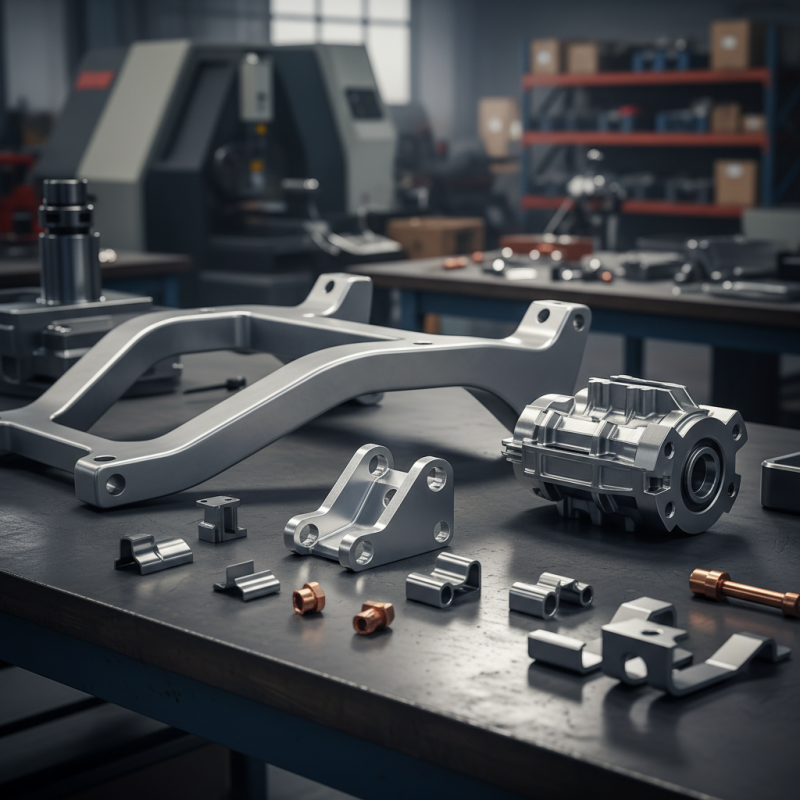
Automotive metal stamping parts play a crucial role in vehicle manufacturing. Understanding their basics can help in selecting the right components. These parts are created using a process that transforms flat metal sheets into specific shapes. This transformation involves tools called dies that ensure precision and durability.
When choosing metal stamping parts, consider the material type. Common materials include steel and aluminum, each offering distinct benefits. Steel provides strength and longevity, while aluminum is lighter and corrosion-resistant. The thickness of the metal also affects performance and cost. A thicker sheet may provide durability but could increase the overall weight.
Quality control is paramount in metal stamping. Look for manufacturers that prioritize rigorous testing and have demonstrated expertise. It’s essential to verify their certifications. A reliable supplier often shares past projects to showcase their capabilities. However, not all manufacturers offer the same level of quality. This inconsistency can result in challenges during production. Scrutinizing a manufacturer’s reputation helps mitigate these risks and informs better decisions. Understanding these basics will pave the way for informed choices in the automotive industry.
10 Essential Tips for Choosing Automotive Metal Stamping Parts
| Tip Number |
Essential Tip |
Description |
| 1 |
Understand Material Properties |
Choose materials based on strength, weight, and corrosion resistance. |
| 2 |
Evaluate Design Complexity |
Assess if the part design is feasible for stamping processes. |
| 3 |
Consider Tolerance Requirements |
Determine the precision needed in the metal stamping process. |
| 4 |
Select Proper Coatings |
Use coatings for enhanced durability, improved finish, or corrosion resistance. |
| 5 |
Review Manufacturer Experience |
Choose manufacturers with a proven track record in automotive stamping. |
| 6 |
Analyze Production Volume |
Consider if the production volume meets the manufacturer’s capabilities. |
| 7 |
Understand Cost Implications |
Evaluate the total cost including production, materials, and any additional processing. |
| 8 |
Check Quality Assurance Standards |
Ensure the manufacturer implements quality control measures and standards. |
| 9 |
Assess Lead Time |
Clarify the timeline to complete production and meet delivery requirements. |
| 10 |
Communicate Clearly with Suppliers |
Maintain open dialogue with suppliers to address issues and expectations. |
Identifying Key Factors for Material Selection in Metal Stamping
When selecting materials for automotive metal stamping, certain key factors come into play. The choice of material impacts the part's performance and longevity. Steel is often favored for its strength, but aluminum can be advantageous for lightweight applications. Consider the specific requirements of your project, like weight capacity and corrosion resistance.
Evaluate the environment in which the part will operate. Exposure to harsh conditions may necessitate corrosion-resistant coatings. The cost of different materials also varies significantly. Sometimes, a lower-cost option may not provide the durability needed for automotive applications. Always weigh the long-term benefits against initial costs.
Another vital aspect is the part's geometry. Complex shapes may require specialized materials that can handle intricate designs during the stamping process. It's important to consult with experienced engineers to ensure your material choice aligns with the final product's specifications. Don’t overlook the potential for material wastage in production, as it could lead to inefficiencies. Balancing all these factors is essential for optimal performance and sustainability.
Evaluating Cost-Effectiveness of Different Stamping Processes
When evaluating the cost-effectiveness of different stamping processes, it's crucial to consider material and labor expenses. A report by the Precision Metalforming Association indicates that labor costs can constitute up to 40% of total manufacturing expenses. Choosing efficient stamping machinery can significantly reduce these costs.
For example, automated stamping can lead to a 25% increase in productivity.
Another critical factor is the material selection. Aluminum parts, for instance, have gained popularity due to their lightweight nature. According to a recent study, using aluminum can reduce vehicle weight by 10% and enhance fuel efficiency by about 5%. However, aluminum may increase initial costs. This decision requires balancing short-term costs against long-term savings.
Quality control also plays a vital role in cost-effectiveness. Parts that meet strict quality standards can lead to lower rejection rates. The Society of Automotive Engineers reports that poor quality can increase production costs by 30%. Investing in robust quality assurance processes is essential. Companies must reflect on whether their current processes effectively minimize waste and defects.
Assessing Tolerance and Precision Requirements for Parts
When assessing tolerance and precision requirements for automotive metal stamping parts, accuracy is key. Each component must fit seamlessly within complex assemblies. Variations in measurements can lead to significant operational issues. Establishing the right tolerances ensures that parts perform optimally and reduce the likelihood of failures.
Tip: Communicate openly with manufacturers about your specifications. Share detailed drawings and CAD models that reflect your exact needs. Clear communication mitigates misunderstandings and enhances precision.
Consider the materials involved as well. Different metals behave uniquely under stress and during stamping. Understanding the characteristics of each material helps determine realistic tolerance levels. Some metals may expand or contract, which can affect the final dimension.
Tip: Evaluate prototypes carefully. Gather feedback from engineers on how prototypes function under real-world conditions. This can reveal necessary adjustments before full-scale production. Identifying issues early can save time and costs later.
10 Essential Tips for Choosing Automotive Metal Stamping Parts
This bar chart displays the tolerance and precision requirements for automotive metal stamping parts. Each bar represents a different aspect of tolerance and precision necessary for high-quality manufacturing.
Choosing the Right Supplier for Automotive Metal Stamping Needs
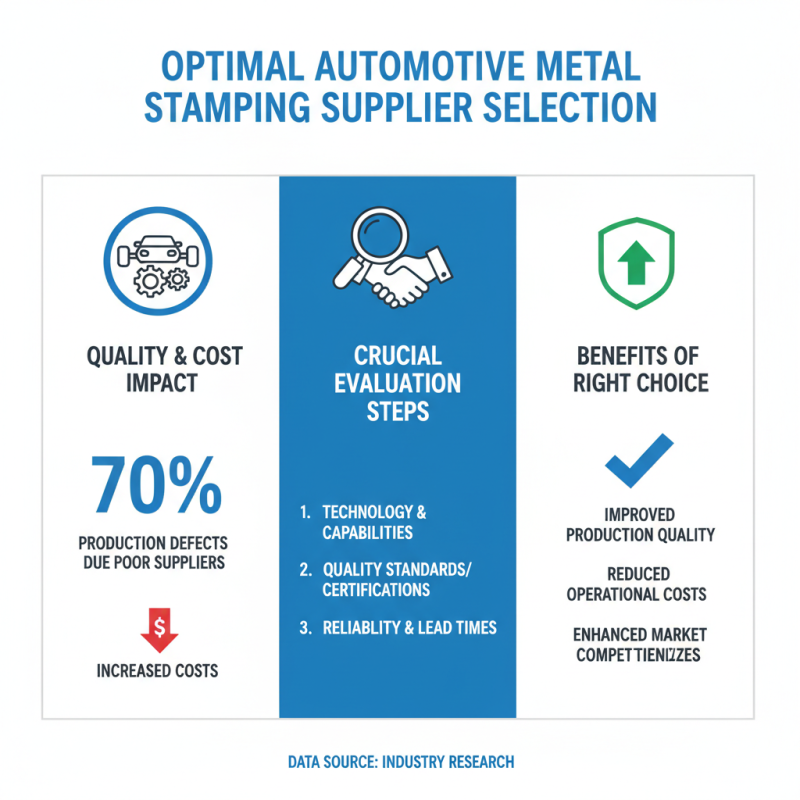
Choosing the right supplier for automotive metal stamping parts can significantly impact production quality and cost. Industry research shows that nearly 70% of production defects trace back to poor supplier choices. Hence, a careful evaluation of potential partners is crucial.
When assessing suppliers, consider their experience and reputation. A supplier with over a decade of industry presence often indicates reliability. Look for those who adhere to ISO standards, ensuring quality control. Ask for client references and case studies. This can give insight into their capabilities and timelines.
Quality materials are essential. Suppliers should provide detailed specifications of the metals used and sourcing processes. This information can prevent issues down the line. Also, assess their production technology. Factories equipped with advanced stamping machines ensure higher precision and reduced waste.
Tip: Always request prototypes before committing to production. Testing components in real-world conditions can reveal potential flaws early. Lastly, maintain open communication with your supplier. A proactive dialogue can lead to better adjustments and innovations in designs.