Leave Your Message

2026 Top Stamping Die Parts Types for Global Buyers

In 2026, global buyers will evaluate Stamping Die Parts beyond price and availability. They will examine tool steel grades, heat treatment, surface coatings, tolerances, and traceability. A punch may look simple. Its edge geometry can decide whether a component forms cleanly or develops cracks. A guide pin only seems minor. Poor alignment can damage an entire die set.

Grand View Research estimates that the global metal stamping market reached approximately USD 217.1 billion in 2023. Its forecast projects continued growth through 2030, supported by automotive, electronics, and industrial manufacturing demand. These figures describe the wider market, not every Stamping Die Parts category. Forecasts are not certainty. Still, they show why supplier capability matters. Buyers should request inspection records, material certificates, sampling data, and clear replacement specifications.

Dr. Taylan Altan, a leading authority on sheet-metal forming, emphasized a practical truth: “The success of stamping depends on the proper design of the tooling.” That principle remains relevant when comparing 2026 parts. A low-cost die spring may fail early under repeated cycling. An unverified carbide insert may create hidden production risk. This guide examines common Stamping Die Parts types, including punches, dies, guide posts, bushings, retainers, springs, and wear plates. It also considers sourcing experience, manufacturing consistency, and after-sales support. Some classifications overlap. That is worth acknowledging. Real tooling decisions rarely fit a perfect catalog table.

2026 Top Stamping Die Parts Types for Global Buyers

What Stamping Die Parts Are and Why They Matter in 2026

2026 Top Stamping Die Parts Types for Global Buyers

What Stamping Die Parts Are and Why They Matter in 2026

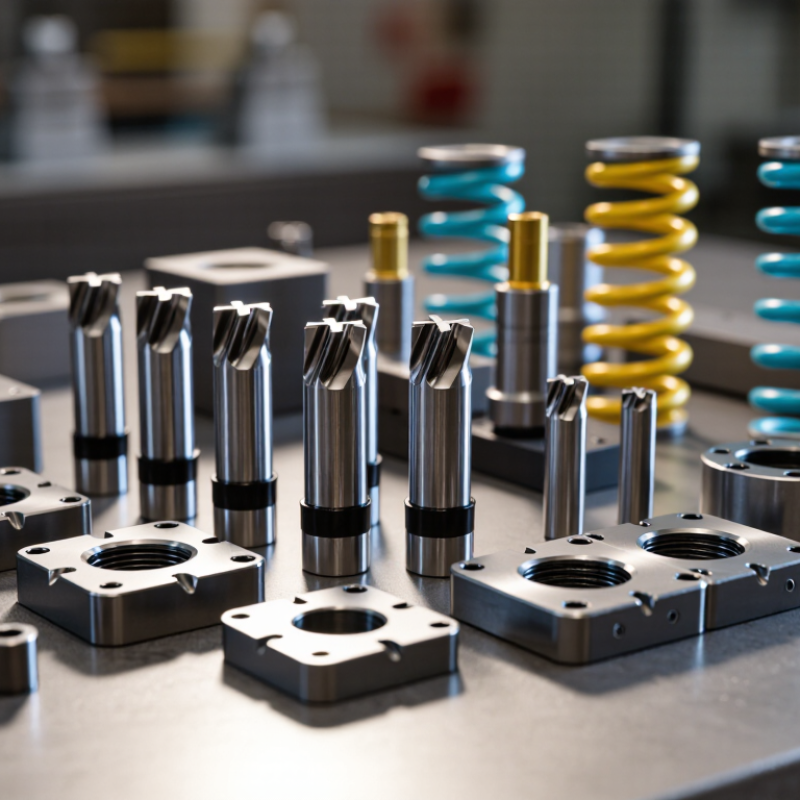
Stamping die parts are the working components inside a metal forming tool. They guide, cut, bend, hold, or eject sheet material. Common types include punches, dies, guide pins, bushings, springs, retainers, and wear plates. Each part affects accuracy, cycle speed, and tool life. A worn guide bushing can create uneven clearance. That small fault may produce burrs across thousands of parts.

In 2026, global buyers are watching modular and sensor-ready components more closely. Modular parts can shorten repairs and reduce stored inventory. Sensor-ready designs can help monitor force, temperature, or unusual vibration. Material choice also matters. Hardened tool steel suits heavy cutting, while coated surfaces may reduce friction in demanding applications. From practical maintenance experience, matching hardness alone is not enough. Alignment, surface finish, lubrication, and heat treatment must work together. This is where some purchasing decisions become too optimistic.

Tips: Check drawings, tolerances, and working conditions before ordering. Confirm replacement compatibility, inspection records, and expected service life. Ask for dimensional reports when precision is critical. Keep spare springs and wear plates available. They often fail before larger components. Also, review the actual failure pattern, not only the supplier’s catalog description.

How to Classify the Main Types of Stamping Die Parts

2026 Top Stamping Die Parts Types for Global Buyers

How to Classify the Main Types of Stamping Die Parts

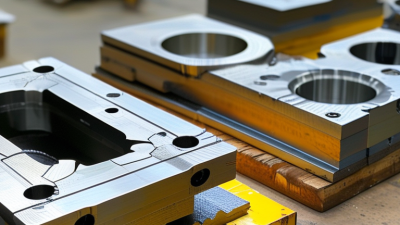
Stamping die parts are easier to evaluate when classified by function. Cutting components include punches, dies, and trim inserts. They create holes, profiles, and separated edges in sheet metal. Forming components include bending inserts, drawing tools, and pressure pads. These parts shape the material without fully separating it. Their working surfaces need suitable hardness, accurate profiles, and controlled clearance.

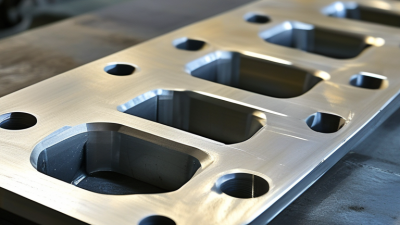
Guiding and positioning components keep the upper and lower die sections aligned. Guide posts, bushings, pilots, and locating pins support repeatable production. Supporting parts include die plates, backing plates, retainers, and shanks. They transfer force through the tool and protect smaller working components. Fastening parts, such as screws and dowels, also affect stability and maintenance. Small failures here can damage expensive surfaces.

Global buyers should also classify parts by replacement frequency, material, tolerance, and inspection method. A punch may be a wear part, while a plate usually serves as a structural part. In practice, categories overlap. A pressure pad can guide material and control forming pressure. This is where simple product lists become misleading. I have found that drawings, steel certificates, hardness records, and sample inspections reveal more than names alone. Tolerance choices may also need review after the first production trial.

2026 Top Stamping Die Parts Types for Global Buyers

How to Classify the Main Types of Stamping Die Parts

Stamping die parts can be classified by their function: forming and cutting components, guiding components, material-retention components, and die-support components. The chart shows representative hardness values commonly specified for hardened tooling components. Actual requirements vary according to material grade, stamping load, production volume, and surface-treatment requirements.

Which Stamping Die Parts Are Essential for Each Die Function

2026 Top Stamping Die Parts Types for Global Buyers

Which Stamping Die Parts Are Essential for Each Die Function?

Global buyers should select stamping die parts by function, not only by price. World Steel Association reported 1.88 billion tonnes of crude steel production in 2023. This volume supports continued demand for reliable forming and cutting equipment. Blanking and piercing dies need hardened punches, die blocks, stripper plates, pilots, and accurate guide posts. The punch makes the cut. The stripper controls material recovery.

Bending dies require matched punch and die radii, pressure pads, guide pillars, and wear plates. Small radius errors can create cracking or springback. Drawing dies depend on a polished punch, die radius, blank holder, and draw beads. The blank holder controls metal flow around the flange. Progressive dies add stock guides, pilots, lifters, carrier sections, and sensors. These parts protect pitch accuracy during high-speed feeding. According to the World Steel Association’s World Steel in Figures 2024, automotive production remains a major steel-consuming sector, where repeatability and tool life are closely measured.

Precision applications need backing plates, replaceable inserts, dowel pins, and controlled-clearance bushings. The exact clearance depends on material strength, thickness, and shear requirements. A general catalog value is not enough. In practice, even a well-designed die may need tryout adjustments after the first coil run. That part is often underestimated. Buyers should request material certificates, heat-treatment records, dimensional inspection data, and tested replacement-part compatibility. Reports from Research and Markets also identify automation and higher production efficiency as key drivers in the metal stamping sector, making stable guidance and quick maintenance increasingly important.

2026 Top Stamping Die Parts Types for Global Buyers - Which Stamping Die Parts Are Essential for Each Die Function

Practical reference table for selecting essential components used in blanking, piercing, bending, forming, drawing, and progressive dies.

Die Function Essential Die Part Primary Purpose Common Material or Grade Typical Selection Considerations Global Buyer Checklist
Blanking and Shearing Blanking Punch Cuts the outside profile of the workpiece from strip or sheet material. Cold-work tool steel; powder metallurgy steel for high-wear applications. Punch clearance, cutting length, edge geometry, impact load, and expected production volume. Confirm dimensional tolerance, heat treatment, surface finish, and replaceable insert design where applicable.
Blanking Die Provides the female cutting edge that supports separation and defines the blank profile. Hardened tool steel or wear-resistant insert material. Die clearance, land length, corner radii, slug evacuation, and resistance to chipping. Check compatibility with the selected punch and the required burr direction.
Shear Plate Supports the cutting operation and distributes load within the die assembly. Pre-hardened tool steel or hardened alloy tool steel. Flatness, rigidity, alignment, clamping method, and resistance to deformation. Request inspection data for flatness, parallelism, and mounting-hole position.
Slug Retainer Controls scrap slugs and helps prevent slug lifting or re-entry into the die. Tool steel, spring steel, or wear-resistant carbide features. Slug size, material thickness, strip speed, retention force, and scrap removal path. Verify safe scrap discharge and compatibility with automatic feeding equipment.
Piercing and Hole-Making Piercing Punch Produces holes, slots, notches, and internal cutouts in the sheet. Hardened tool steel; carbide tips for demanding wear conditions. Punch-to-die clearance, slenderness ratio, punch head design, and buckling resistance. Specify hole geometry, material thickness, tolerance, and required burr control.
Piercing Die Button Supports the sheet around the punch and defines the finished hole size. Hardened tool steel or carbide for high-volume production. Clearance, button retention, replaceability, concentricity, and chip evacuation. Confirm the button mounting style and spare-part interchangeability.
Back-Up Plate Transfers piercing force into the die shoe and prevents punch-head indentation. Hardened or pre-hardened alloy tool steel. Compressive strength, thickness, flatness, and accurate load-bearing contact. Check hardness, parallelism, and support under every high-load punch.
Punch Retainer Locates and secures punches while maintaining their alignment during the stroke. Pre-hardened steel or hardened tool steel. Bore tolerance, retention method, alignment accuracy, and ease of maintenance. Request dimensional compatibility with the punch head and backing system.
Bending and Forming Forming Punch Applies force to create bends, beads, ribs, embosses, or other formed features. Tool steel, hardened alloy steel, or wear-resistant inserts. Form radius, springback, material direction, surface finish, and forming load. Validate the forming profile against the finished-part drawing and material data.
Forming Die Insert Creates the matching cavity or contour for controlled sheet deformation. Hardened tool steel; replaceable inserts may use carbide or powder metallurgy steel. Profile accuracy, radius consistency, wear resistance, and insert replacement method. Confirm cavity-to-punch clearance and access for polishing or repair.
Bending Die Supports the workpiece and establishes the bend angle and inside radius. Hardened tool steel or nitrided alloy steel. V-opening or forming width, radius, tonnage, material thickness, and springback compensation. Check the bend sequence, allowable marking, and press capacity.
Cam Unit Converts vertical press motion into angled or horizontal movement for side forming or piercing. Hardened alloy steel with wear plates or replaceable wear inserts. Stroke, angle, side load, lubrication, guide accuracy, and return-force requirements. Confirm press stroke, available shut height, maintenance access, and spare wear parts.
Drawing and Deep Forming Drawing Punch Pushes the blank into the drawing cavity to form cups, shells, or deep hollow sections. Polished hardened tool steel or wear-resistant alloy steel. Punch radius, clearance, draw depth, lubrication, surface quality, and wrinkle control. Review material drawability, blank-holder force, and required intermediate drawing stages.
Drawing Die Guides and controls material flow around the punch during a drawing operation. Hardened tool steel with polished or coated working surfaces where required. Die radius, entry profile, clearance, alignment, friction, and resistance to galling. Specify surface roughness, profile tolerance, and compatibility with the forming lubricant.
Blank Holder Controls flange movement and helps prevent wrinkles during deep drawing. Tool steel or pre-hardened alloy steel with a polished contact surface. Pressure distribution, flatness, draw-bead geometry, cushion force, and surface marking. Match the holder to press cushion capability and the required forming force window.
Guiding and Alignment Guide Post Maintains vertical alignment between the upper and lower die shoes. Hardened alloy steel, commonly ground for accurate fit. Diameter, straightness, working length, mounting method, and resistance to deflection. Verify post spacing, tolerance class, and replacement availability.
Guide Bushing Provides the precision bearing surface for the guide post. Hardened steel, bronze-based bearing material, or self-lubricating bearing material. Internal clearance, lubrication, load, speed, dust protection, and service life. Confirm fit with the guide post and specify the preferred lubrication method.
Guide Plate Guides punches or moving components and helps maintain precise lateral alignment. Pre-hardened steel, hardened tool steel, or wear-resistant plate material. Bore accuracy, plate thickness, wear resistance, and access for inspection. Check alignment with punch retainers, die buttons, and stripper openings.
Dowel Pin Locates die plates and shoes accurately and prevents lateral shifting. Hardened precision steel. Pin diameter, fit, shear load, length, chamfer, and hole positional accuracy. Specify fit tolerance and ensure pins are not used as substitutes for clamping bolts.
Stripping, Ejection, and Return Stripper Plate Separates the strip or formed part from punches during the return stroke. Pre-hardened steel or hardened tool steel; polished openings are common. Opening clearance, plate stiffness, stripping force, surface protection, and wear. Confirm stripper travel, spring or nitrogen-cylinder force, and part-release reliability.
Ejector Pin Pushes the part or slug out of a cavity, pocket, or forming area. Hardened tool steel or nitrided alloy steel. Diameter, stroke, buckling resistance, tip shape, alignment, and return control. Evaluate contact marks on the part and provide positive return protection.
Compression Spring Returns strippers, pads, or ejectors and supplies controlled holding force. Spring steel designed for repeated cyclic loading. Free length, solid height, working load, fatigue life, temperature, and safety factor. Specify preload, operating stroke, spring arrangement, and replacement interval.
Nitrogen Gas Spring Provides high, consistent return or clamping force in a compact package. Pressure-rated cylinder with corrosion-resistant components and sealed gas system. Rated force, stroke, pressure, mounting orientation, temperature, and serviceability. Require pressure specifications, safety instructions, and applicable conformity documentation.
Progressive Die Feeding and Control Pilot Pin Enters a previously pierced pilot hole to position the strip accurately at each station. Hardened tool steel or carbide-tipped construction for high wear. Lead-in shape, diameter, clearance, timing, wear resistance, and pilot-hole quality. Match the pilot to strip pitch, feed accuracy, and the sequencing of each station.
Stock Guide Controls the lateral position of the strip as it moves through the die. Hardened or pre-hardened tool steel; wear inserts may be used. Strip width, clearance, feed direction, surface finish, and resistance to abrasion. Verify strip entry, edge clearance, coil variation, and sensor access.
Stop Block Stops or references the strip during setup, manual feeding, or controlled progression. Hardened tool steel or wear-resistant alloy steel. Contact wear, stop position, adjustability, impact load, and chip clearance. Specify reference datum, adjustment range, and safe access for operators.
Die Structure and Mounting Die Shoe Provides the rigid foundation for upper and lower die components. Medium-carbon steel, alloy steel, or cast steel depending on die size and load. Rigidity, mass, flatness, press compatibility, lifting points, and mounting slots. Confirm press bolster dimensions, shut height, clamping pattern, and lifting requirements.
Die Plate Holds punches, buttons, inserts, guides, or forming elements in their designed positions. Pre-hardened steel or hardened tool steel for high wear. Bore tolerance, thickness, flatness, alignment, fastening, and ease of component replacement. Request a complete hole-location drawing and material-treatment specification.
Shank Connects the upper die assembly to the press ram and transfers the forming force. Alloy steel or medium-carbon steel, machined for secure mounting. Shank diameter, press connection, load capacity, concentricity, and anti-rotation features. Match the shank to the press ram and verify the die center of pressure.

Note: Material grades and heat-treatment requirements should be finalized according to sheet material strength, thickness, die speed, expected tool life, lubrication, and applicable production standards.

How Global Buyers Should Compare Materials, Quality, and Compatibility

2026 Top Stamping Die Parts Types for Global Buyers

Global buyers should compare stamping die parts by working conditions, not price alone. Punches, dies, guide pins, bushings, springs, and retainers face different loads. Tool steel suits high-impact applications because it balances hardness and toughness. Carbide handles severe wear, but it may chip under shock. Bronze bushings can reduce friction where lubrication is limited. Fit comes first.

Material supply also affects purchasing risk. The World Steel Association reported 1.89 billion tonnes of crude steel production in 2023. This shows steel remains widely available, but grade consistency still requires proof. The USGS Mineral Commodity Summaries 2025 estimated 81,000 metric tons of global tungsten mine production in 2024. That matters when carbide prices or delivery times change.

Ask for heat-treatment records, material certificates, hardness readings, and dimensional inspection reports.

Compatibility deserves equal attention. Check the press tonnage, die-set layout, mounting diameter, punch length, clearance, and expected stroke rate. A guide pin with the wrong fit can create uneven wear within weeks. Surface finish and concentricity also influence repeatability. ISO-based inspection methods help, but a certificate cannot replace trial fitting.

My earlier mistake was trusting hardness alone. A harder part can still fail through poor alignment, brittle edges, or unsuitable lubrication. Numbers can mislead. Buyers should request sample measurements, traceable batch codes, and clear replacement tolerances before approving a global order.

How to Select Reliable Stamping Die Parts for Different Production Needs

Top Stamping Die Parts Types for Global Buyers

Selecting reliable stamping die parts starts with the production problem, not the catalog. A progressive die may need guide pins, bushings, punches, dies, springs, pilots, and stripper components. A transfer die may demand stronger alignment and faster chip removal. I have seen teams choose hardened parts by price alone. That decision often creates burrs, misfeeds, and unplanned stoppages.

Material choice should match load, speed, and sheet thickness. Tool steel suits high-wear punches, while carbide can support longer runs but requires careful handling. According to the International Trade Centre, global iron and steel product trade remains measured in hundreds of billions of dollars annually. This scale increases pressure for repeatable tooling and stable supply. The U.S. Department of Energy also reports that electric motor systems can represent more than 20% of industrial electricity use, making energy-efficient press operation worth considering during die design.

Ask suppliers for hardness reports, dimensional inspection records, coating details, and batch traceability. ISO 9001 certification helps, but it does not replace sample testing. Check concentricity under a microscope. Test the part at operating speed. Small errors matter. A 0.02-millimeter mismatch may damage a thin blank or shorten tool life. Logistics data also deserves attention. The World Bank’s Logistics Performance Index shows major differences in customs efficiency and delivery reliability between markets. Therefore, buyers should qualify backup sources before urgent orders arrive. My own preference is simple: approve parts through a controlled trial, then review failure data after production. The first choice is rarely perfect.