Top Stamping Die Parts Suppliers for Global Buyers Today?
In the competitive world of manufacturing, finding reliable suppliers for Stamping Die Parts is crucial. Experts like John Smith, a leading figure in die manufacturing, emphasize, "The quality of Stamping Die Parts directly influences production efficiency." With a focus on precision and durability, these components are essential in various industries.
Today, global buyers face challenges when sourcing these parts. The market is saturated with options, making it hard to identify trustworthy suppliers. Suppliers must not only provide quality products but also demonstrate expertise and industry knowledge. This complexity can prove daunting for many manufacturers seeking the best value.
As John Smith warns, evaluating suppliers requires careful consideration. Buyers should look for proven track records and verified testimonials. While many suppliers promise exceptional quality, not all deliver. A nuanced approach is needed when navigating this landscape of Stamping Die Parts suppliers.
Overview of Stamping Die Parts and Their Importance in Manufacturing
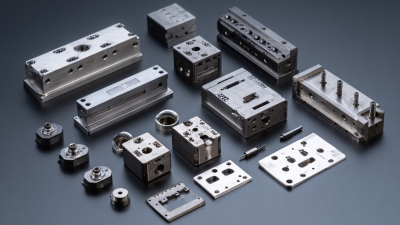
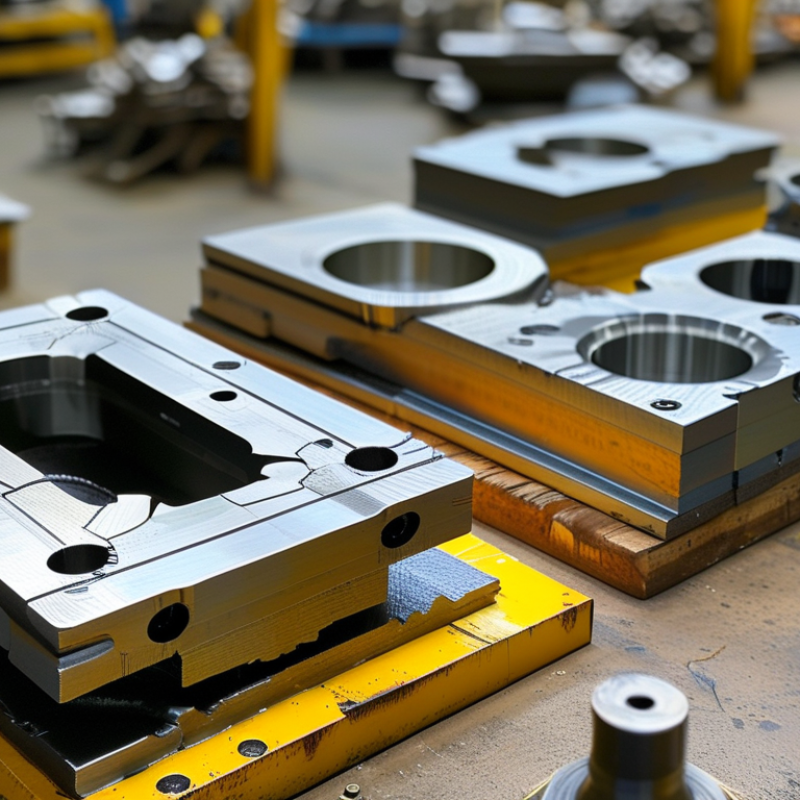
Stamping die parts play a crucial role in the manufacturing sector. They are used extensively in industries such as automotive, electronics, and consumer goods. These parts are vital for producing precision components with high efficiency. According to a report by MarketsandMarkets, the global stamping die market is expected to reach $12 billion by 2025. This growth is driven by the rising demand for innovative manufacturing techniques.
The importance of high-quality stamping die parts cannot be overstated. Well-designed dies increase production speed and reduce material waste. A study published in the Journal of Manufacturing Processes highlights that optimized stamping processes can improve production efficiency by up to 30%. However, many manufacturers struggle with maintaining tool durability and precision over time. This leads to challenges in meeting production targets and can create financial strain.
Quality standards in stamping die production are evolving. Manufacturers must adapt to rapid technological advancements and increasingly stringent regulations. Some companies still rely on outdated machinery, which affects their competitiveness. Addressing these gaps is essential for sustaining growth in the stamping parts market. Investing in advanced manufacturing technologies is a step that can yield significant returns in efficiency and product quality.
Criteria for Selecting Reliable Stamping Die Parts Suppliers
When selecting a reliable stamping die parts supplier, various key criteria should be considered.
Experience in the industry is crucial. A supplier with a long track record often understands the nuances of production.
Knowledge of the latest technologies is another advantage. Suppliers that invest in new processes tend to deliver better quality products.
Quality assurance is vital too. It’s essential to ask about their quality control measures.
Regular testing and certification demonstrate a supplier’s commitment to excellence.
Communication is also a significant factor. Clear and transparent discussions lead to better partnerships.
Suppliers who respond quickly and thoroughly indicate reliability.
Price shouldn’t be the only deciding factor. Sometimes, the cheapest option may come with hidden costs.
Consideration of the total lifecycle costs is more beneficial.
Ensure that the supplier can meet your specific requirements.
Customization options are often indicative of a supplier's flexibility.
Taking time to evaluate these aspects will help you make a more informed decision.
Top Global Suppliers of Stamping Die Parts: A Comparative Analysis
In today’s competitive manufacturing landscape, selecting the right stamping die parts suppliers is crucial. Global buyers need to assess multiple factors before making decisions. Quality, pricing, and delivery timelines significantly affect production schedules.
Expertise plays a vital role in distinguishing top suppliers from the rest. They must demonstrate a solid understanding of engineering principles.
When comparing suppliers, consider their experience and innovation in product development. Some manufacturers excel in customization, catering to unique project specifications. Others might focus on cost-efficiency, which can be appealing for bulk orders. It's essential to evaluate their capacity to meet both quality standards and delivery deadlines consistently.
Tips: Always ask for samples to assess construction quality. Review client testimonials for real-world insight. Build relationships with potential suppliers to foster trust and reliability in your partnership. Regularly update your knowledge of industry trends; it can shape your purchasing strategy effectively.
Emerging Trends in Stamping Die Parts Supply Chain Solutions
The stamping die parts supply chain is undergoing significant transformation. Recent reports indicate that the global market for stamping die parts is expected to grow by 5% annually, highlighting an increasing demand for precision and efficiency. Companies are now prioritizing digital integration, which enhances productivity and reduces lead times.
Tips for sourcing: Look for suppliers who invest in advanced automation. This helps in delivering consistent quality. Also, consider suppliers who utilize data analytics for improved decision-making.
Sustainability is becoming crucial in this sector. Many suppliers are adopting eco-friendly practices, which could engage environmentally conscious buyers. However, challenges linger, especially in sourcing raw materials efficiently. Fluctuations in material costs can significantly impact overall pricing structures. Thus, keeping abreast of market trends is vital for cost management.
In this evolving landscape, transparency remains key. Suppliers who communicate openly about their practices foster trust. Buyers should require clarity about sourcing and production processes to ensure reliability.
Challenges Faced by Buyers in Sourcing Stamping Die Parts Globally
Sourcing stamping die parts globally presents distinct challenges. Buyers often face difficulties in verifying suppliers' credibility. This uncertainty can lead to poor purchasing decisions, affecting overall production quality. Suppliers may vary in capabilities and standards. Establishing trust is crucial yet complex.
Communication barriers exacerbate the situation. Different languages and cultural nuances can lead to misunderstandings. Proper documentation is essential but often mishandled. Some suppliers may not provide detailed specifications, creating further issues. Additionally, inconsistent lead times can disrupt manufacturing processes, causing delays in delivery.
Quality assurance poses another challenge. Buyers need assurance that the parts meet international standards. Sometimes, obtaining samples for testing is a time-consuming process. This can delay project timelines. Without robust quality checks, buyers risk receiving subpar products, impacting their operations. Each of these factors highlights the need for thorough due diligence when sourcing stamping die parts.
Top Stamping Die Parts Suppliers for Global Buyers Today
| Supplier Location |
Material Types Offered |
Common Applications |
Lead Time (Days) |
Challenges Faced |
| North America |
Steel, Aluminum, Copper |
Automotive, Aerospace |
10-15 |
Cost fluctuations, Compliance |
| Europe |
Brass, Stainless Steel |
Electronics, Medical |
15-20 |
Regulatory challenges, Logistics |
| Asia |
Carbon Steel, Tool Steel |
Consumer Goods, Machinery |
7-12 |
Quality assurance, Communication |
| South America |
Aluminum, Bronze |
Construction, Mining |
12-18 |
Supply chain disruptions, Local regulations |