Leave Your Message

2026 Top Types of Stamped Sheet Metal for Global Buyers?

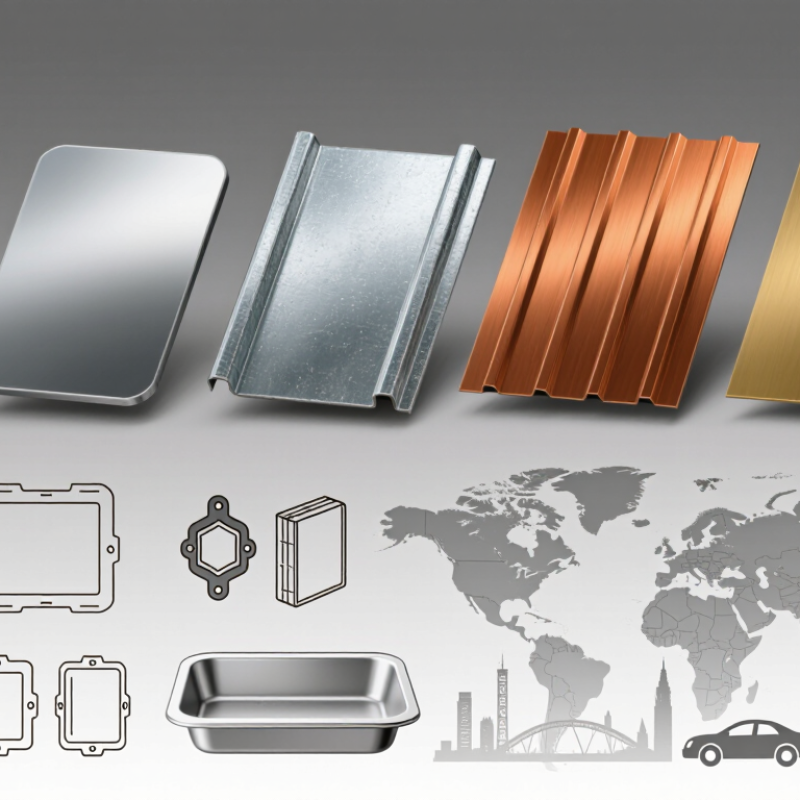
In 2026, global buyers will judge Stamped Sheet Metal by more than price. Material choice affects strength, corrosion resistance, tooling life, surface quality, and delivery risk. Carbon steel remains practical for brackets, enclosures, and structural parts. Stainless steel serves demanding environments, including food equipment and medical assemblies. Aluminum reduces weight in transport and electronics. Galvanized steel adds useful protection where moisture is unavoidable. Copper and brass support electrical conductivity and decorative hardware.

The market signals continued pressure on suppliers. The World Steel Association reported approximately 1.89 billion tonnes of crude steel production worldwide in 2023. Its World Steel in Figures 2024 shows the scale behind global sheet-metal sourcing. The International Energy Agency also reported nearly 14 million electric car sales in 2023. That growth increases demand for lightweight panels, battery shields, busbars, and precision brackets. These figures do not guarantee every stamping segment will expand equally. That assumption needs caution.

This guide compares the top types of Stamped Sheet Metal for global purchasing teams in 2026. It considers alloy behavior, forming limits, coating options, thickness consistency, and typical applications. It also highlights practical buying details, such as burrs around punched holes, zinc coverage on galvanized edges, and springback in high-strength steel. Reports from the U.S. Geological Survey and the International Energy Agency provide useful market context. However, real supplier performance still depends on inspection records, tooling maintenance, traceability, and honest technical communication. A low quotation can hide rework, delayed samples, or unstable tolerances. Buyers should test those risks before approving mass production.
2026 Top Types of Stamped Sheet Metal for Global Buyers?

What Is Stamped Sheet Metal and Why Does It Matter to Global Buyers?

2026 Top Types of Stamped Sheet Metal for Global Buyers?

Stamped sheet metal is flat steel, aluminum, or copper shaped by dies, presses, and controlled force. It becomes brackets, shields, housings, terminals, and structural panels. The process may include blanking, piercing, bending, forming, or deep drawing. That definition sounds simple. Tooling makes it demanding.

World Steel Association statistics recorded 1.883 billion tonnes of crude steel production in 2024. This enormous supply base gives global buyers broad material access, but quality still varies by mill, grade, and certification. A buyer should specify tensile strength, yield strength, thickness tolerance, surface condition, and coating requirements. These details affect springback, corrosion resistance, weldability, and final assembly. For aluminum parts, temper and alloy selection matter just as much.

Different stamped sheet metal types suit different risks.

Progressive stamping supports high-volume brackets and clips. Deep-drawn metal suits cups, covers, and battery-related enclosures. Transfer stamping handles larger parts with several forming stages. Fine blanking can produce cleaner edges and tighter dimensions, although tooling costs rise. The 2024 metal stamping market analysis from Fortune Business Insights identifies automotive and industrial equipment as major demand sectors. That demand does not guarantee a good supplier match.

A drawing can look complete and still hide problems. In real sourcing reviews, unclear corner radii often create cracking or expensive die changes. Global buyers should request capability studies, first-article reports, dimensional records, and traceable material certificates. I would also challenge optimistic production promises. Fast quotations are useful, but repeatable quality deserves more attention.
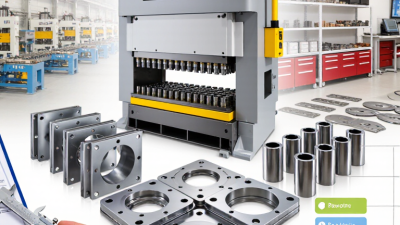
Which Metal Materials Are Commonly Used for Stamped Sheet Parts?

When global buyers source stamped sheet parts, low-carbon steel is often the practical starting point. It offers good formability, strength, and stable pricing. It suits brackets, panels, clips, and structural supports. Galvanized steel adds zinc protection for parts exposed to moisture. The coating may affect welding, edge appearance, and die wear. Small details matter.

Stainless steel is selected when corrosion resistance and clean surfaces are important. Common grades handle kitchen equipment, medical hardware, and outdoor enclosures. However, stainless steel needs greater forming force and careful tool design. It can harden during stamping. Scratches also remain highly visible. That changes inspection requirements.

Aluminum provides low weight and useful corrosion resistance. It works well for covers, housings, and transport components. Its lower strength may require thicker sheet or reinforced bends. Copper and brass are valuable for electrical terminals, contacts, and decorative fittings. They conduct electricity well, but their softer surfaces can mark during production. Material grade, temper, thickness, and surface finish should match the drawing. A part that looks suitable on paper can still crack at a tight bend. It is easy to overlook that risk. Practical trials remain worthwhile.

What Are the Main Types of Stamped Sheet Metal Products?

Stamped sheet metal products range from simple washers to complex enclosures. Brackets, clips, panels, and mounting plates are common in electrical, construction, and industrial equipment. Each product starts with a flat metal blank, then receives cutting, bending, piercing, or forming operations.

Deep-drawn parts create strong, seamless shapes such as cups, housings, covers, and small containers. Progressive stamping suits high-volume parts with repeated features, including terminals, hinges, and automotive brackets. Four-slide stamping works well for compact clips and springs. Precision tolerances matter here. A slight bend error can prevent proper assembly.

Tips

Check material thickness, bend radius, surface finish, and required tolerance before requesting production. Stainless steel resists corrosion, while aluminum reduces weight. Carbon steel often provides practical strength and cost control. Ask for sample inspection reports and confirm whether secondary processes, such as deburring, plating, or threading, are included. A common mistake is choosing a die process only by unit price. Tooling cost, annual volume, and inspection requirements can change the real value. No single type fits every project.

2026 Top Types of Stamped Sheet Metal for Global Buyers

Typical material thickness references for common stamped sheet metal product categories.

Representative thickness values are shown in millimeters. Actual specifications depend on material grade, tooling design, load requirements, dimensional tolerances, and the final application.

How Do Stamping Methods Affect Part Performance and Cost?

For 2026 global buyers, stamped sheet metal choices increasingly depend on production volume, geometry, and surface requirements. Progressive stamping suits high-volume brackets, clips, and terminals because several operations occur in one die. Transfer stamping handles larger parts, such as appliance panels, with controlled movement between stations. Deep drawing forms cups and housings, but excessive draw depth can cause thinning or wrinkles. Fine blanking delivers smooth edges and tight tolerances. It costs more, yet it may reduce secondary machining.

Method selection directly affects performance and total cost. Progressive dies can lower labor cost per part, but tooling investment is substantial. A simple blanking tool may be cheaper initially, though rough edges can weaken fatigue performance. Deep-drawn stainless steel offers durable walls, but lubrication and material temper require careful control. The World Steel Association reported approximately 1.89 billion tonnes of crude steel production in 2023, showing the enormous material base supporting stamped components. However, material availability does not guarantee stable pricing or consistent formability. That assumption deserves review.

Tips: Ask suppliers for thickness maps, burr measurements, springback data, and first-article inspection records. Request pilot runs before approving production tooling. Check the grain direction on visible or highly loaded parts. A 2024 manufacturing outlook report from Deloitte and the Manufacturing Leadership Council found that many manufacturers continue prioritizing smart quality monitoring. In practice, sensor-based press data can reveal die wear earlier, although integration costs may challenge smaller factories. Buyers should compare tool life, scrap rate, inspection time, and freight weight—not only the quoted unit price.

2026 Top Types of Stamped Sheet Metal for Global Buyers? — How Do Stamping Methods Affect Part Performance and Cost?
Stamped Sheet Metal Type Common Commercial Grades Typical Thickness Approx. Density Typical Yield Strength Formability Corrosion Resistance Best-Fit Stamping Methods Relative Material Cost Index* Performance and Cost Considerations
Low-Carbon Mild Steel DC01, A1008 drawing-quality steel 0.5–3.0 mm 7.85 g/cm³ 140–280 MPa High Low without coating Progressive stamping, blanking, bending, deep drawing 100 Usually the lowest-cost option for high-volume parts. Excellent ductility supports deep draws and complex flanges, but additional painting, plating, or galvanizing may be required for corrosion protection.
Galvanized Mild Steel DX51D+Z, G90-coated sheet 0.6–2.5 mm 7.85 g/cm³ 140–300 MPa High High Progressive stamping, blanking, bending, shallow drawing 115–135 Integrated zinc coating reduces post-processing and improves outdoor durability. Zinc can increase die wear, galling risk, and cleaning requirements during stamping.
High-Strength Low-Alloy Steel HSLA 340–550 MPa grades 0.7–3.0 mm 7.85 g/cm³ 340–550 MPa Medium Low without coating Progressive stamping, transfer stamping, precision bending 120–155 Higher strength can reduce sheet thickness and part weight. Greater springback and forming force may require stronger tooling, compensation in the die design, and tighter process control.
Advanced High-Strength Steel DP600, DP800, DP980 0.7–2.5 mm 7.85 g/cm³ 350–800 MPa Medium to low Low without coating Servo stamping, transfer stamping, controlled bending 135–180 Provides high crash strength and significant weight reduction. It requires higher press loads, robust dies, optimized lubrication, and springback compensation; tooling and setup costs are generally higher.
Austenitic Stainless Steel 304, 316L 0.4–3.0 mm 7.9–8.0 g/cm³ 170–310 MPa annealed Medium Very high Progressive stamping, deep drawing, fine blanking 250–400 Strong corrosion resistance and clean appearance can eliminate coatings. Work hardening, galling, and higher tool loads increase tooling, lubrication, and production costs.
Aluminum Sheet 5052-H32, 6061-T6 0.5–4.0 mm 2.70 g/cm³ 90–275 MPa High for 5052 High Progressive stamping, bending, hydroforming, shallow drawing 170–300 Approximately one-third the density of steel, enabling major weight reduction. Lower elastic modulus increases springback, while the softer surface is more vulnerable to scratching and die marking.
Copper and Copper Alloys C110 copper, C260 brass 0.2–2.0 mm 8.5–8.9 g/cm³ 70–400 MPa, depending on alloy and temper High High Progressive stamping, blanking, bending, fine blanking 280–500 Excellent electrical and thermal conductivity. Material cost is higher, and copper alloys may require burr control, surface protection, and careful tool clearance to maintain edge quality.
Titanium Sheet Grade 2 commercially pure titanium 0.5–2.5 mm 4.51 g/cm³ 275–450 MPa Medium to low Very high Hydroforming, single-hit forming, controlled bending 700–1200 High strength-to-weight ratio and exceptional corrosion resistance. Low thermal conductivity, springback, galling, and high raw-material cost make it more suitable for specialized, lower-volume applications.
Electrical Steel Non-oriented silicon steel, typically 0.2–0.65 mm 0.2–0.65 mm 7.60–7.85 g/cm³ 250–450 MPa Medium Low to medium High-speed progressive stamping, fine blanking 150–300 Optimized for magnetic performance rather than general structural strength. Tight punch-to-die clearance and burr control are essential because edge damage can increase electrical losses.
*Relative material cost index: low-carbon mild steel = 100. Values are indicative 2026 planning ranges and vary with region, thickness, temper, order volume, surface finish, certification, and market conditions. Yield-strength values are typical ranges for commonly supplied sheet and should be confirmed against the supplier’s material certificate.

How Can Global Buyers Select the Right Stamped Sheet Metal Supplier?

Choosing a stamped sheet metal supplier in 2026 requires more than comparing prices. Global buyers should match the supplier’s process with the part design. Progressive stamping suits high-volume brackets and terminals. Deep drawing works for cups, housings, and other formed parts. Precision stamping supports tighter dimensions, but it often requires better tooling and inspection.

Ask for material certificates, sample parts, and clear dimensional reports. A reliable supplier should explain steel grade, sheet thickness, press capacity, die life, and expected production speed. Review how the factory controls burrs, springback, surface damage, and corrosion protection. Photos are useful, but an online factory tour or independent audit gives stronger evidence. Check whether the supplier can maintain batch traceability from coil receipt to final packing.

Cost deserves careful review. A cheap quotation may exclude tooling maintenance, secondary operations, inspection, or export packaging. Request a complete cost breakdown and confirm sample approval before mass production. Ask how engineering changes are recorded and how late defects are handled. Communication quality matters when time zones, drawings, and technical terms create friction. No checklist is perfect. Even experienced buyers can overvalue a polished presentation and overlook weak process control. A small trial order can reveal more than a confident sales promise. Ensure the supplier has realistic capacity, documented quality procedures, and enough technical staff for your project’s actual demands.