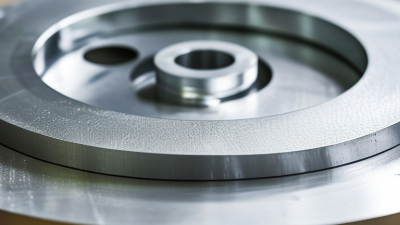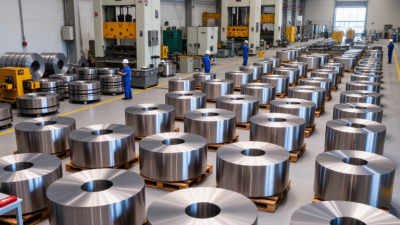
Choosing the right Round Metal Disc is not a matter of comparing diameter alone. Global buyers must also assess alloy, thickness, edge finish, flatness, and the process that shaped each piece. A stainless steel disc for a food-processing machine may need a different surface and tolerance from a copper disc used for heat transfer. Small differences matter. A rough edge can slow assembly, while uneven thickness may disrupt a finished product.
Materials engineer Dr. John D. Verhoeven is a recognized authority on metallurgy, but no source text was provided to verify a direct quotation from him. Rather than inventing one, this guide uses a practical sourcing principle: “Match the disc to its working conditions, not just its listed dimensions.” Buyers can apply that idea by asking suppliers for material specifications, dimensional tolerances, surface-finish details, and inspection records. Samples can help, too. Check the edge with a gloved hand and measure thickness at several points, not just once.
This guide compares common round metal disc types, including stainless steel, aluminum, copper, brass, and carbon steel. It explains where each material may perform well and what trade-offs buyers should review before requesting quotes. No single option fits every application. Supplier data can also vary in detail, so verify claims against drawings and test requirements. A little caution here can prevent costly rework later.
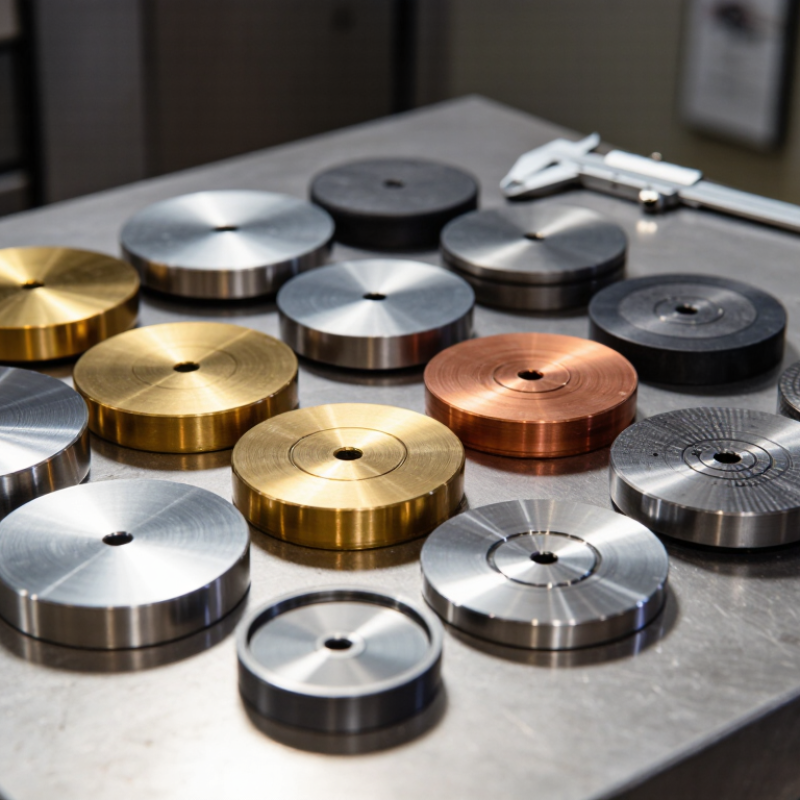
A round metal disc is a circular piece of metal, but the term can describe several stages of manufacture. A blank is usually a preform awaiting further work, such as drawing, stamping, or machining. A sheet cut is a disc separated from sheet or coil by punching, laser cutting, or waterjet cutting. The terms overlap in trade, so buyers should confirm the supplier’s exact meaning. Small detail, big difference.
A finished component has undergone the operations needed for its intended use. These may include forming, drilling, deburring, surface treatment, or inspection against specified dimensions. Check thickness, alloy and temper, diameter tolerance, edge condition, flatness, and protective packaging. A clean-looking edge is not proof of a burr-free part. Ask for a drawing and inspection criteria, especially when discs must fit a mating assembly.
Material availability also matters. The World Steel Association reported approximately 1.89 billion tonnes of crude steel production worldwide in 2023, illustrating the scale of the steel supply base. That figure does not measure round-disc output or guarantee availability in a particular grade. For global purchasing, identify the material standard, acceptable substitutions, and required mill or test documentation. In practice, terminology can remain inconsistent—even between capable suppliers—so a sample or first-article check may prevent an expensive mismatch.

A round metal disc is usually cut from sheet or plate, so its ASTM specification identifies the material and product form, not the disc shape itself. ASTM A240 covers stainless steel plate, sheet, and strip, including common grades such as 304 and 316. ASTM B209 applies to aluminum-alloy sheet and plate, while ASTM B152 covers copper sheet, strip, plate, and rolled bar. These standards are not interchangeable. A shiny surface alone cannot confirm an alloy.
For purchasing, specify the standard, alloy grade, temper or condition, thickness, diameter, and any required surface finish. A 3 mm stainless disc under A240, for example, needs its grade stated; “stainless” is too broad to guide fabrication or service selection. B209 aluminum discs may need temper details because strength and formability can vary considerably. With B152 copper, identify the required copper grade and confirm that the stock form suits the cutting process. Small details matter.
Ask for material test documentation that matches the order, and check that the certificate lists the applicable ASTM specification and grade. Also confirm whether the stated thickness is nominal or subject to a tolerance. Cutting can leave burrs or heat-affected edges, depending on the method, so edge condition may need a separate requirement. One weak point in many specifications is assuming the standard settles every detail. It does not; dimensions, tolerances, and inspection needs should be agreed before production.
| Disc Material Type | ASTM Standard and Scope | Common Grade Examples | Material Characteristics | Typical Disc Applications | Key Purchasing Checks |
|---|---|---|---|---|---|
| Austenitic stainless steel | ASTM A240/A240M covers chromium and chromium-nickel stainless steel plate, sheet, and strip for pressure vessels and general applications. | 304, 304L, 316, 316L | Generally good corrosion resistance and formability. 316/316L contains molybdenum and typically offers better resistance to many chloride-containing environments than 304/304L; it is not immune to all corrosion. | Food-processing components, cookware parts, tanks, covers, and general industrial blanks. | Confirm grade, thickness, condition, required surface finish, flatness, cut-edge quality, and applicable inspection documents. Specify the A240 product form for the parent stock. |
| Ferritic stainless steel | ASTM A240/A240M covers applicable stainless steel plate, sheet, and strip grades. | 430 | Chromium stainless steel with magnetic properties and useful resistance to atmospheric and mild corrosive conditions. Its corrosion performance is generally below that of common 304 and 316 grades in more demanding environments. | Appliance panels, decorative parts, trim, and indoor equipment discs. | Check whether the service environment suits the grade, along with thickness tolerance, finish, magnetic requirements, and the intended forming or welding process. |
| Aluminum and aluminum alloy | ASTM B209/B209M covers aluminum and aluminum-alloy sheet and plate. | 1100, 3003, 5052, 6061 | Low density and generally good corrosion resistance. 1100 and 3003 are commonly selected for formability; 5052 offers good corrosion resistance and formability; 6061 is heat-treatable and offers higher strength than these commercially pure or non-heat-treatable options. | Reflectors, covers, cookware components, equipment panels, and machined or formed blanks. | Specify alloy and temper, sheet or plate thickness, flatness, surface condition, and blank diameter tolerance. Confirm suitability for the forming operation, especially for 6061 tempers. |
| Copper and copper alloy | ASTM B152/B152M covers copper sheet, strip, plate, and rolled bar. | C11000, C26000, C51000 | C11000 copper is valued for high electrical and thermal conductivity. C26000 brass is known for good formability. C51000 phosphor bronze is used where strength, spring properties, or wear resistance are relevant. | Electrical components, heat-transfer parts, formed brass discs, washers, and spring or wear-related components. | Confirm alloy, temper, thickness, conductivity or mechanical-property requirements, and whether the required stock form is covered. Check edge condition and dimensional tolerances after blanking. |
Buying note: These ASTM standards specify requirements for the listed parent-stock forms; a round disc is generally a blank cut from sheet, plate, or strip rather than a separate alloy classification. State the required alloy, temper or condition, thickness, disc diameter, tolerances, surface finish, and inspection requirements in the purchase specification. Verify the current standard revision and the supplier’s material certification for the order.
Round metal discs can look similar on a sample table, yet density changes their weight significantly. Aluminum is about 2.70 g/cm³, steel about 7.85 g/cm³, and copper about 8.96 g/cm³. These are typical reference values; alloy composition can shift them slightly.
For discs with the same diameter and thickness, aluminum is much lighter and easier to handle in large quantities. Steel weighs nearly three times as much as aluminum, which can increase pallet and freight loads. Copper is heavier still, and its reddish surface may suit visible components where appearance matters. A simple comparison helps: a 10 mm thick disc of each metal will not feel alike in the hand. Density alone does not determine the best choice, though. Strength, corrosion exposure, machining needs, and finished dimensions also matter. I sometimes find the weight comparison clearer than the numbers—but it can oversimplify a real specification.
Tips: Compare discs with identical dimensions, then ask suppliers to confirm alloy and thickness tolerances. For shipping estimates, calculate total metal volume and multiply by the stated density. Leave room for packaging weight.
Choosing a round metal disc process starts with geometry, order volume, thickness, and edge requirements—not machine fashion.
Real shops are less tidy. Mixed batches, tool wear, and changing tolerances can upset neat comparisons. Ask suppliers for sample measurements, expected scrap rates, and setup charges before choosing a process.
2026 Best Round Metal Disc Types for Global Buyers?
For round metal discs, a clear specification matters as much as the alloy choice. State the diameter and thickness in millimeters, then define acceptable tolerances for both. If the disc must sit flat, include a flatness limit; diameter alone will not control warping. Specify the edge condition too, such as deburred or square-cut. I have seen orders delayed because “clean edge” meant different things to buyer and supplier. Be precise.
Tips: Send a dimensioned drawing. Name the measurement method and inspection points. For surface finish, describe the required roughness, coating, or visible appearance, and say which face matters. “Polished” can be interpreted loosely.
Material certificates should identify the grade and link the supplied discs to a batch or heat number. Ask which test results and traceability details the document will include before production begins. Requirements differ by application and destination, so confirm the needed certificate format with your quality team. Keep the approved sample, drawing revision, and inspection record together. It is easy to overlook revision control, especially on repeat orders. That small gap can cause a real mismatch.
Global specifications: dimensions, tolerances, finish, and material certificates
How to read the chart: It shows the ISO 286-1 IT10 tolerance width for each nominal size range. The width is the total tolerance, in micrometres—not a plus/minus value. The drawing must specify the actual tolerance zone and limits.
Buyer checklist: Specify disc diameter and thickness with units, dimensional tolerances, edge condition, and surface finish (such as mill finish, brushed, or polished). Identify the material grade and applicable product standard. Where required, request an EN 10204 Type 3.1 inspection certificate and confirm that its heat or batch number matches the supplied material.