Choosing the best Thick Metal Discs manufacturer in China takes more than comparing prices or browsing polished product photos. These components may look simple, yet thickness variation, flatness, edge quality, and material choice can affect assembly and service life. A disc for a press-fit part may need different tolerances from one used as a spacer or wear plate. Details matter.
Before requesting quotes, define the alloy, diameter, thickness range, surface condition, quantity, and intended application. Then ask how the supplier checks dimensions and controls consistency between production batches. Useful evidence can include inspection records, material certificates, sample measurements, and clear answers about packaging. A confident sales reply helps, but it is not a substitute for verifiable quality information.
This guide outlines practical ways to assess manufacturers, from reviewing production capabilities to checking communication and delivery expectations. Where possible, compare a production sample with your drawing and record any mismatch before approving a larger order. Also review customization options, lead times, and how quality concerns are handled. Ask specific questions. No supplier is perfect, and a sample cannot reveal every issue that may appear during a long production run. That limitation deserves attention. By weighing technical evidence alongside price and service, buyers can make a more informed shortlist and identify a manufacturer suited to their actual requirements.
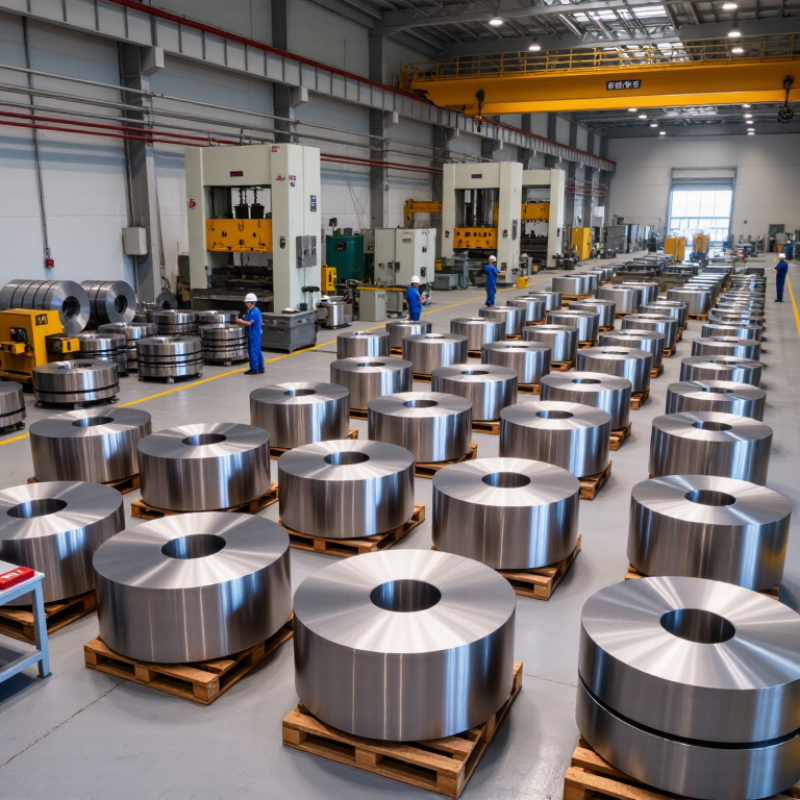
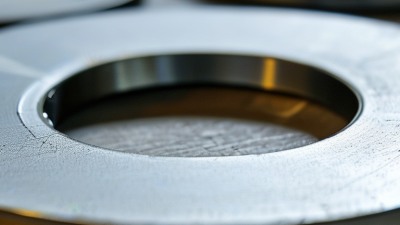
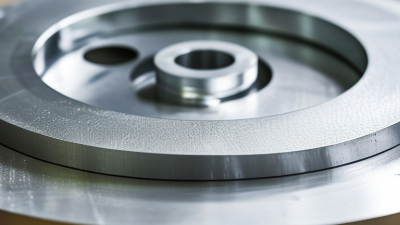
Thick metal discs are flat, circular blanks made from plate, bar stock, or forged metal. There is no single industry-wide thickness cutoff; a disc is usually called “thick” when its depth affects weight, machining, or load performance. Carbon steel suits many structural parts, while stainless steel helps resist corrosion. Aluminum reduces weight, but may require a larger section to meet the same stiffness.
The World Steel Association’s World Steel in Figures 2024 reports 1,888.2 million tonnes of crude steel production in 2023. That figure shows the scale of steel supply, not the output of disc products. Thick discs appear in machine bases, tooling, flanges, hydraulic equipment, and heavy-duty mounting plates. A workshop may use a waterjet or plasma cutter for a rough blank, then machine its face and center bore to tighter tolerances. The cut edge can be rough. It matters.
In practice, engineers specify diameter, thickness, alloy, flatness, and expected load before choosing a manufacturing route. A large disc may look simple, yet heat treatment or uneven machining can cause distortion. That detail is easy to overlook. For rotating parts, balance and concentricity also matter; for corrosive settings, surface finish and material selection deserve careful review. The right choice depends on service conditions, not thickness alone.

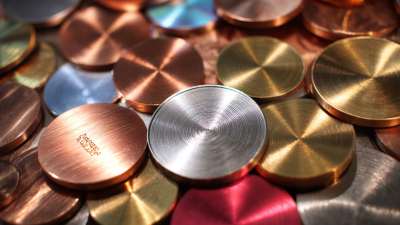
The material sets the limits of a thick metal disc before cutting begins. Carbon steel often offers strength at a practical cost, while stainless steel resists corrosion in damp or chemically exposed settings. Aluminum is lighter, but it may not suit a disc that needs high stiffness under load. Copper conducts heat well, though it is softer than many structural metals. Check the grade, thickness tolerance, and material certificate, not just the alloy name. Small details matter. Inclusions, uneven hardness, or internal stress can lead to warping after machining.
Manufacturing choices shape the finished disc, too. Laser or plasma cutting can be efficient, but heat may leave a hardened edge or slight distortion. Waterjet cutting avoids a heat-affected zone, though edge quality still depends on setup and material thickness. Forging can refine structure for demanding loads, while rolling and machining may be more suitable for other applications. There is no universal best method. It depends on the disc’s use. Ask how flatness, parallelism, and burrs are checked, and request sample measurements when tolerances are tight. Heat treatment can improve properties, but uneven cooling may create new stress. That part is easy to overlook. A clear inspection record is useful, yet it cannot replace testing a representative sample under real operating conditions.
Best Thick Metal Discs Manufacturer in China?
How to Assess Thick Metal Disc Manufacturers in China
Choosing a thick metal disc manufacturer requires more than comparing prices. Start with a clear drawing that states material grade, diameter, thickness, flatness, and tolerance. Ask how each measurement is checked. A digital caliper may confirm thickness, while a surface plate helps reveal unevenness. Details matter.
Review the manufacturer’s production process and inspection records. Ask whether discs are cut by waterjet, laser, or another method, and how the process affects edge quality. Request material certificates and sample inspection reports tied to the batch. For demanding applications, discuss hardness testing, surface finish, and traceability before approving an order. Ask for evidence.
A sample can look excellent and still fail to represent routine production. Request samples from a normal production run, not only specially prepared pieces. Check whether the supplier can explain rejected parts and corrective actions without vague promises. This conversation can feel awkward, but it often reveals more than a polished brochure. Compare lead times, packaging, and quotation details too; unclear exclusions may create surprises later. Even careful checks cannot remove every risk, so keep written specifications and approval records.
Suggested evaluation weights for comparing manufacturers. These are buyer-defined priorities, not measured industry statistics.
Prioritize documented quality controls and dimensional accuracy. Verify material certificates, thickness tolerances, inspection records, production capacity, and delivery documentation against your project requirements.
When comparing a thick metal discs manufacturer in China, treat certifications as evidence, not a shortcut. Ask for a current ISO 9001 certificate, then verify its legal entity, site, scope, and expiry with the certification body. The ISO Survey 2022 recorded 1,265,216 valid ISO 9001 certificates across 189 countries and economies. That reach shows broad adoption, not guaranteed disc quality. Paper is not proof.
For each order, specify the metal grade and governing product standard. Request a material test certificate, such as an EN 10204 type 3.1 document, linking chemistry and mechanical results to the heat number on the discs. Check thickness, diameter, flatness, edge condition, and agreed tolerances. For plate-derived steel discs, ultrasonic examination may be relevant; ASTM A578/A578M applies only when the material and purchase specification fit its scope. Do not assume it covers every disc.
Ask for recent inspection records and calibration evidence for measuring tools. A sample report should show actual readings, not only “pass.” Confirm how nonconforming pieces are identified and replaced. I would also compare the certificate scope with the factory floor; these can differ. A brief video inspection helps, but it cannot replace independent testing when risk is high.
| Quality area | Standard or document to check | What it covers | Buyer verification |
|---|---|---|---|
| Material specification | ASTM A240/A240M; ASTM A516/A516M; ASTM A36/A36M; EN 10025; EN 10028 | Different specifications cover stainless-steel plate, pressure-vessel plate, structural steel, and pressure-purpose or structural flat products. The correct choice depends on grade, service conditions, and design requirements. | Confirm the exact grade, edition, thickness range, heat-treatment condition, and governing specification on the purchase order and material test report. |
| Material traceability | EN 10204 inspection documents, commonly 3.1 or 3.2 when specified | Defines types of inspection documents supplied with metallic products. A 3.1 certificate includes specific inspection results validated by the manufacturer’s authorized inspection representative independent of the production department; 3.2 adds validation by the purchaser’s representative or an inspector designated by official regulations. | Match the certificate heat number to the disc marking and confirm chemistry, mechanical results, product specification, and thickness. |
| Quality management system | ISO 9001 | Requirements for an organization’s quality management system; certification does not by itself prove that a particular disc meets its material or dimensional requirements. | Check that the certificate is current, issued by an accredited certification body, and covers the relevant manufacturing site and activities. |
| Environmental and occupational systems | ISO 14001; ISO 45001 | Management-system standards addressing environmental management and occupational health and safety, respectively. They are not product-quality certifications. | Verify certificate validity, site coverage, and scope if these systems are part of your supplier requirements. |
| Testing laboratory competence | ISO/IEC 17025 | Competence requirements for testing and calibration laboratories. Accreditation applies to the laboratory and its listed scope, not automatically to every test or the manufacturer. | Check the laboratory’s accreditation scope for the specific tests and methods reported, such as chemical analysis or tensile testing. |
| Ultrasonic testing | ASTM A578/A578M; EN 10160 | Ultrasonic examination methods and acceptance requirements for steel plate. The required test level or quality class should be agreed for the application. | Request the test report, test coverage, acceptance level, and any agreed repair or rejection criteria. Confirm the standard and edition before ordering. |
| Dimensions and tolerances | Approved drawing and purchase-order requirements; applicable material-standard tolerances where specified | Disc diameter, thickness, flatness, roundness, edge condition, and machining allowance are product-specific requirements; one universal tolerance does not apply to every thick disc. | Set measurable tolerances and inspection methods in writing. Request recorded measurements and confirm the instrument calibration status where required. |
| Pressure equipment compliance | Applicable pressure-equipment regulations, such as the EU Pressure Equipment Directive (PED) 2014/68/EU, when relevant | Regulatory conformity depends on the equipment, component role, design, category, and applicable conformity-assessment route. A material certificate or general quality certificate alone does not establish regulatory compliance. | Ask the responsible equipment manufacturer or conformity-assessment body to confirm applicable requirements, documentation, and marking obligations for the intended use. |
| Inspection and acceptance plan | Order-specific inspection and test plan (ITP) | Lists the inspection stages, tests, acceptance criteria, records, and any witness or hold points agreed between buyer and supplier. | Agree the ITP before production and require final records for material identification, testing, dimensions, nonconformities, and release. |
Note: Standards and certifications should be checked against the disc’s material, dimensions, intended service, destination market, and purchase-order requirements. Verify certificate validity and scope with the issuing or accreditation body where appropriate.
Choosing a supplier takes more than comparing the price per disc. Check the alloy or grade, thickness tolerance, diameter tolerance, and flatness requirements on the same drawing. Ask what inspection records are available, such as material certificates and dimensional reports. A low quote may exclude packaging, tooling, or extra checks. Clarify each item before comparing offers. Small details matter.
Tips: Send every supplier the same drawing and quantity. Ask for a written lead-time breakdown, not just a delivery date. Confirm how they handle nonconforming parts and who answers technical questions. Keep the replies.
Lead times can change with material availability, order size, and production capacity, so request a realistic schedule with key milestones. For urgent orders, ask whether stock material is suitable and whether expedited production affects inspection. Also check how support works after delivery: can the supplier trace a batch, review a measurement issue, or arrange replacement parts? I would still double-check the first sample, even when the paperwork looks complete. A polished quote is helpful, but it cannot prove that a disc will fit your assembly.