Top Stainless Gaskets for 2026 What Buyers Need to Know
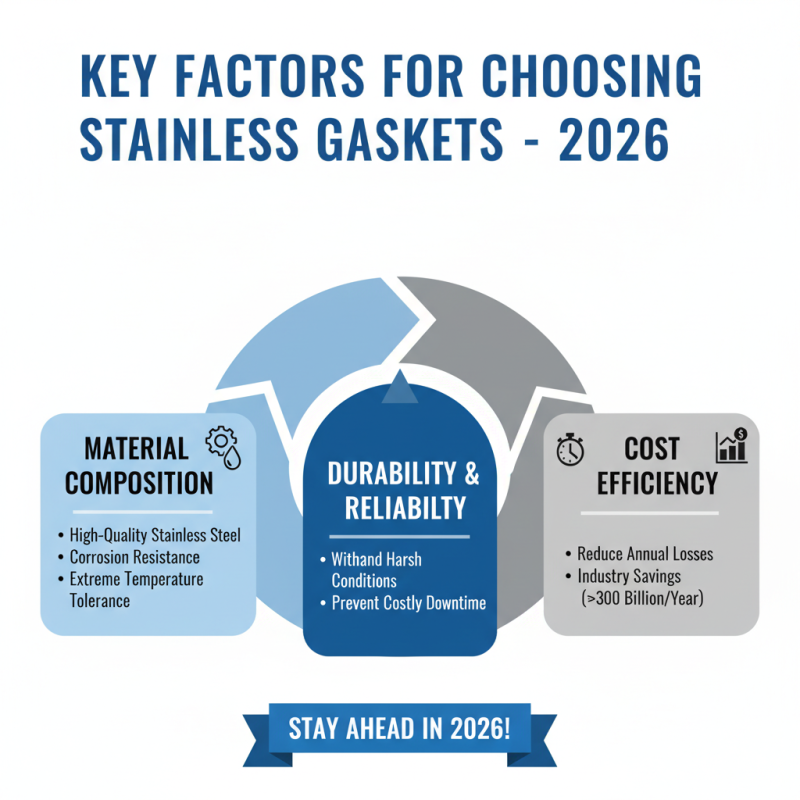
When it comes to choosing the right stainless gaskets, making informed decisions is crucial. The market in 2026 will feature a variety of options, tailored for different applications. Understanding the specific materials and designs will play a key role in your selection process.
Stainless gaskets are known for their durability and resistance to corrosion. They offer an effective seal in various environments, suitable for industrial use. However, not all stainless gaskets perform equally. Some may degrade faster than expected, leading to costly repairs. It's essential to consider factors like temperature and pressure ratings to avoid future issues.
Engaging with reliable manufacturers can enhance your purchasing experience. Look for those who demonstrate expertise and provide detailed specifications. They should be transparent about their products. Consider feedback from previous users, as this can guide you in making the right choice. Balancing quality and cost will ultimately lead to better outcomes in your projects.

Understanding the Importance of Stainless Gaskets in Various Industries
Stainless gaskets play a critical role in diverse industries. They ensure the sealing integrity of various applications, from oil and gas to food processing. A report by MarketsandMarkets projects a steady growth in gasket demand, expected to reach $6 billion by 2026. This underscores their vital function in equipment efficiency and safety.
These gaskets withstand extreme conditions, such as high temperatures and corrosive environments. For instance, in the petrochemical sector, stainless gaskets prevent leaks that can lead to catastrophic failures. According to the Hydraulic Institute, leaks from poorly sealed joints cost industries billions annually. Hence, investing in quality stainless gaskets is essential for long-term operational success.
Challenges persist in gasket selection. Many buyers underestimate the importance of material compatibility and loading conditions. A misstep can result in premature gasket failure. Industry reports highlight that up to 30% of gasket failures stem from improper installation. This emphasizes the necessity for training and proper guidelines in gasket management.
Top Manufacturers of Stainless Gaskets and Their Unique Offerings
When it comes to stainless gaskets, several manufacturers stand out with unique offerings. Industry reports indicate that the global gasket market is projected to reach $5.3 billion by 2028, driven by rising demand in various sectors. This growth emphasizes the importance of selecting the right manufacturer and product for specific needs.
Manufacturers often vary in their specializations. For instance, some focus on high-temperature applications, while others excel in chemical resistance. The right material can enhance performance and longevity. Reports suggest that stainless steel gaskets are favored for their durability and resistance to corrosion. Analyzing product features can also be crucial; consider compression limits, thickness, and available sizes.
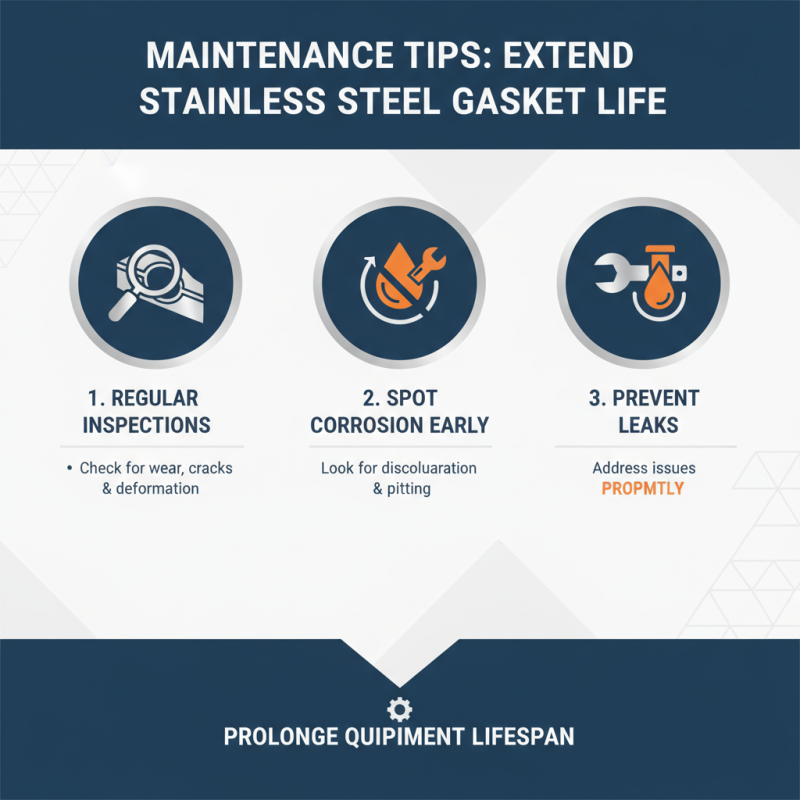
**Tip:** Always ask for performance data before purchasing. Assessing the compatibility of the gasket with your specific application can prevent future issues. Regular maintenance checks are vital to ensure the longevity of the gasket. Even the best products can face challenges under certain conditions. Remember, selecting a gasket is not just about price, but about suitability and reliability.
Top Stainless Gaskets for 2026 What Buyers Need to Know
| Material Type |
Temperature Resistance (°C) |
Pressure Rating (psi) |
Thickness (mm) |
Applications |
| Stainless Steel 304 |
-196 to 800 |
1500 |
1.0 |
Chemical Processing, Food Industry |
| Stainless Steel 316 |
-196 to 900 |
1800 |
1.5 |
Marine Applications, Pharmaceutical |
| Stainless Steel 321 |
-196 to 925 |
1600 |
2.0 |
Aerospace, High-Temperature Systems |
| Stainless Steel 410 |
-30 to 600 |
1200 |
1.2 |
Automotive, Oil and Gas |
Common Applications and Use Cases for Stainless Gaskets
Stainless gaskets find wide applications across various industries. They are essential in environments where temperature and pressure fluctuate. Commonly, these gaskets are used in automotive, aerospace, and power generation sectors. Their durability ensures reliable sealing in critical components.
In automotive applications, stainless gaskets prevent leaks between engine parts. They withstand extreme conditions, maintaining integrity under stress. In power plants, these gaskets seal flanges and pipes, ensuring efficient operation. However, installation can be tricky. Incorrect placement can lead to failures, so precise alignment is crucial.
Stainless gaskets also see use in food processing. Here, hygiene is vital. They prevent contamination, safeguarding product quality. Yet, one should consider the compatibility with various cleaning agents. Choosing the wrong material can lead to corrosion, impacting safety. Users must weigh these factors carefully when making decisions.
Top Stainless Gaskets for 2026
This chart displays the common applications and use cases for stainless gaskets, showcasing their prevalence in various industries.