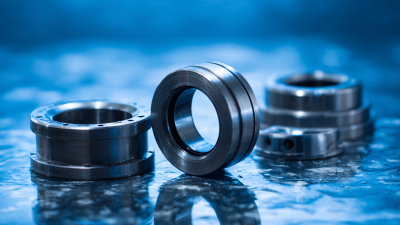
Why Choose Stainless Gaskets for Your Industrial Applications?
In the realm of industrial applications, selecting the right materials is crucial. Stainless gaskets emerge as a top choice for numerous reasons. According to a report by the International Organization for Standardization, stainless steel gaskets have seen a significant rise in demand, driven by their durability and corrosion resistance.
Their ability to withstand extreme temperatures is well documented. For instance, stainless gaskets can perform effectively in environments exceeding 1000°F. This heat resistance makes them ideal for industries such as petroleum and chemical processing. Additionally, stainless gaskets are often preferred for their low maintenance needs. They reduce downtime, which can otherwise cost businesses thousands.
However, it’s essential to recognize that not all stainless gaskets are created equal. Some may not perform as expected under specific conditions. A careful evaluation of application requirements is vital. Despite the appealing advantages, organizations should still be aware of potential shortcomings. The journey to optimal performance begins with informed choices around materials like the stainless gasket.
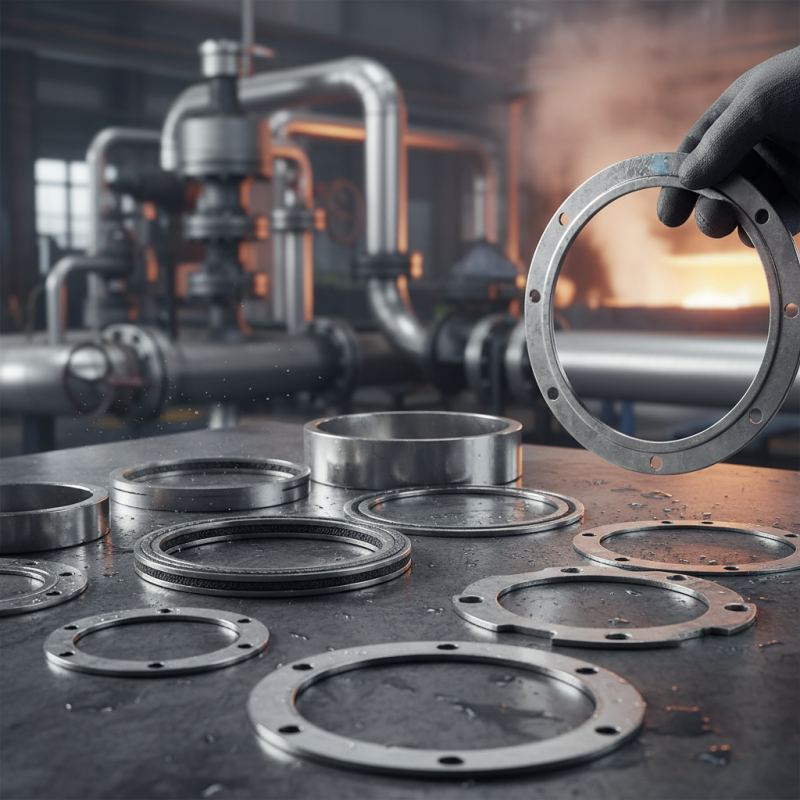
Benefits of Stainless Gaskets in Industrial Settings
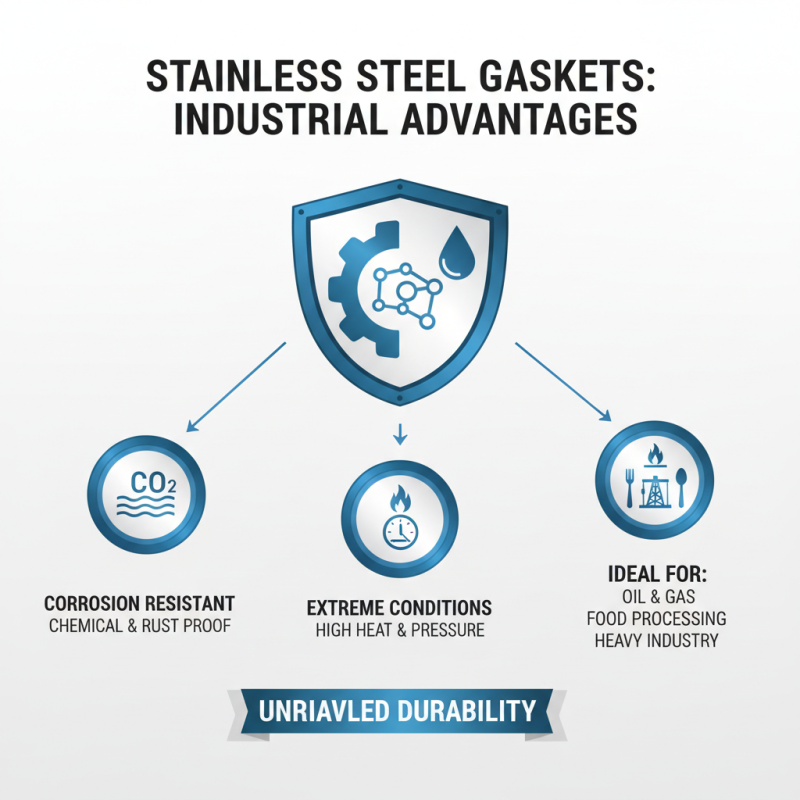
Stainless gaskets offer numerous advantages in industrial settings. Their corrosion resistance is one of the most significant benefits. This property makes them ideal for use in high-pressure and high-temperature environments. Industries such as oil, gas, and food processing demand materials that can withstand tough conditions. Stainless gaskets don't just meet these requirements; they exceed them.
Another key benefit is durability. Stainless gaskets last longer than many alternatives. This longevity reduces maintenance costs and downtime. However, some users mistakenly assume all stainless gaskets will perform equally. Variations in grades and manufacturing processes can affect performance. It's essential to choose the right type for specific applications.
These gaskets also provide a reliable seal. They help prevent leaks, which is crucial in many operations. A leak can lead to safety hazards and financial losses. However, improper installation can undermine their effectiveness. Users should pay attention to installation guidelines and practices. In summary, stainless gaskets enhance safety and efficiency in industrial applications. Yet, awareness of their limitations and proper use is vital for optimal results.
Durability and Resistance to Corrosion in Stainless Gaskets
Stainless gaskets are increasingly popular in various industrial applications. They stand out for their durability and resistance to corrosion. In environments with high humidity or exposure to aggressive chemicals, stainless gaskets can perform exceptionally well. They maintain their integrity when other materials fail. This resilience is crucial in industries like food processing, pharmaceuticals, and oil and gas.
Corrosion can severely affect gasket performance. Regular materials may deteriorate over time, leading to leaks and inefficient operations. Stainless gaskets, on the other hand, offer a longer lifespan. They withstand harsh conditions while preventing contamination. However, one must consider the cost. They can be pricier upfront compared to other options. Still, the long-term savings on replacements and repairs often justifies the investment.
Moreover, incorrect installation can lead to failures, even with high-quality gaskets. Proper training and diligence are essential in ensuring maximum efficacy. Every detail counts, from surface preparation to torque specifications. While stainless gaskets are robust, user errors can compromise their advantages. This aspect demands constant reflection on practices and training to guarantee optimal performance.
Why Choose Stainless Gaskets for Your Industrial Applications? - Durability and Resistance to Corrosion in Stainless Gaskets
| Property |
Value |
Benefits |
| Material |
Stainless Steel |
High strength and durability |
| Corrosion Resistance |
Excellent |
Longevity in harsh environments |
| Temperature Resistance |
Up to 1000°C |
Suitability for high-temperature applications |
| Chemical Resistance |
Good |
Resilience against various chemicals |
| Maintenance |
Low |
Reduced downtime and costs |
| Applications |
Oil & Gas, Chemical, Food Processing |
Versatile in various industries |
Applications of Stainless Gaskets Across Various Industries
Stainless gaskets are crucial in various industries. They provide reliable sealing solutions in harsh environments. Their resistance to corrosion makes them ideal for chemical processing plants. These gaskets can handle high temperatures and pressures. In oil and gas, they prevent leaks that could lead to disastrous consequences.
In the food and beverage sector, cleanliness is vital. Stainless gaskets ensure sanitary conditions. They prevent contamination during production. However, choosing the right gasket size and type requires careful thought. Some gaskets may not perform well in certain conditions. Regular inspection is necessary to maintain efficiency.
The automotive industry also benefits from stainless gaskets. They are used in exhaust systems and engine applications. These gaskets endure intense vibrations and heat. Yet, wear and tear can lead to failure. It’s important to check them periodically to avoid costly repairs. Ignoring the signs of wear might lead to serious issues down the line.
Cost-Effectiveness and Longevity of Stainless Gaskets
In industrial settings, cost-effectiveness is crucial. Stainless gaskets provide an ideal solution. They are durable and resistant to corrosion, making them suitable for various applications. Unlike other materials, stainless steel maintains its integrity over time. This longevity reduces the need for frequent replacements.
Investing in stainless gaskets can save money in the long run. Their initial cost might seem higher, but they last much longer than their counterparts. Frequent replacements might lead to increased downtime. This can disrupt operations and increase labor costs. Using durable materials like stainless steel can prevent these issues.
Despite their many advantages, not everyone sees the value in stainless gaskets. Some might opt for cheaper, less durable alternatives. This could lead to unplanned maintenance and additional costs. It’s essential to weigh the pros and cons carefully. Sometimes, the short-term savings can mask long-term expenses. The choice of gasket material is vital for maintaining efficiency in industrial applications.
Cost-Effectiveness and Longevity of Stainless Gaskets
This chart illustrates the average lifespan of different types of gaskets commonly used in industrial applications. As shown, stainless gaskets offer a significantly longer lifespan compared to rubber, graphite, and PTFE gaskets, highlighting their cost-effectiveness and durability for industrial uses.
Comparative Analysis: Stainless vs. Other Gasket Materials
When comparing stainless gaskets to other materials, their advantages stand out clearly.
Stainless gaskets excel in high-pressure and high-temperature environments. Studies show that they can withstand pressures up to 10,000 psi and temperatures exceeding 1,000°F. In contrast, rubber and cork gaskets often fail under such extreme conditions, leading to leaks and system inefficiencies.
Corrosion resistance is another crucial factor. Stainless steel gaskets resist rust and chemical reactions better than many alternatives. A report by the Journal of Materials Engineering highlights that corrosion-related failures account for about 40% of gasket issues in industrial settings. This underlines why choosing stainless is not just a preference; it's a necessity for safety and performance.
However, stainless gaskets can be more expensive upfront. Their cost could deter some businesses from choosing them. Yet, the long-term savings from reduced maintenance and downtime can offset the initial investment. This makes stainless gaskets a worthy consideration for many applications, despite the initial sticker shock.