How to Choose the Best Progressive Die Parts for Your Needs?
Choosing the right Progressive Die Parts is essential for optimal manufacturing efficiency. According to industry expert John Reynolds, "The right parts save time and reduce waste." His experience underscores the importance of selecting quality components.
When considering Progressive Die Parts, one must assess various factors. Materials, design features, and compatibility play critical roles. For instance, selecting durable materials can impact the lifespan of parts significantly. Users often overlook the compatibility of parts with their machinery. This can lead to costly adjustments later.
The market is filled with options, making choices overwhelming. Mistakes are common. Many find themselves choosing parts that do not meet their specific needs. Reflecting on past experiences can guide better decision-making. Ensuring you have the best Progressive Die Parts is not just about immediate costs; it’s about long-term productivity and reliability.
Understanding Progressive Die Parts: Definition and Importance
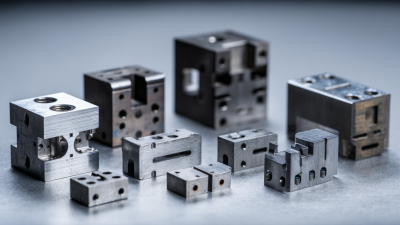
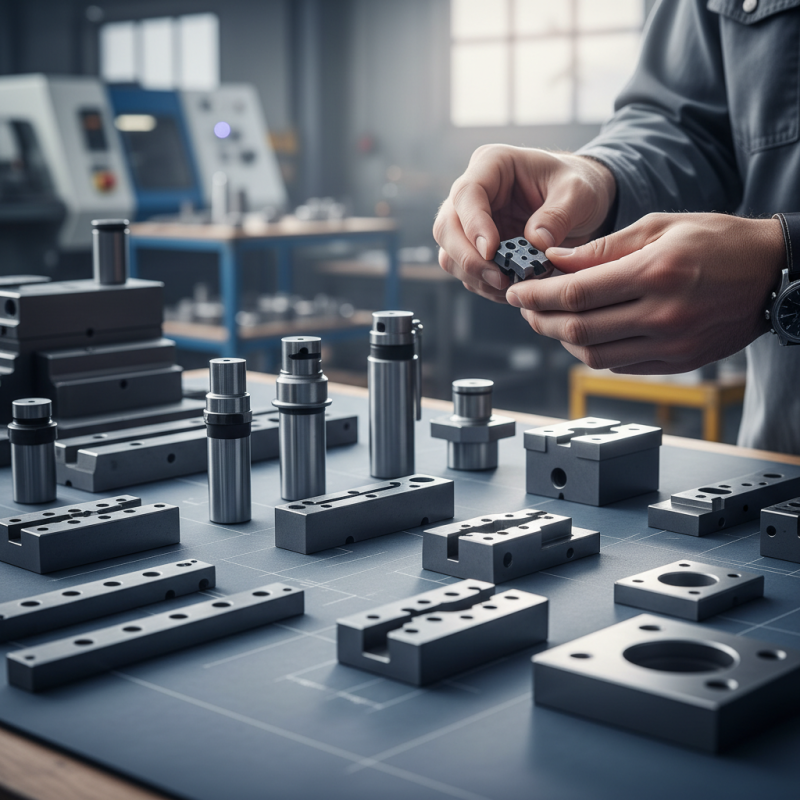
Progressive die parts play a crucial role in manufacturing. They enable companies to produce complex components efficiently. Understanding their definition and importance helps businesses select the right parts for their needs. Progressive dies are tools that cut, shape, and form materials in a sequence, allowing for higher productivity.
The selection process is not always straightforward. Each die part must be compatible with the production goals. For example, some parts are designed for specific materials. Others may focus on precision or speed. The choices can feel overwhelming. Manufacturers often face challenges in identifying the best fit for their operation. Missteps can lead to inefficiencies or increased costs.
It’s essential to weigh the pros and cons of each part. Consider the type of materials and production volumes you work with. Communication with experienced professionals in the field is beneficial. Their insights can guide you toward making informed decisions. Yet, reflect on previous selections. There might have been overlooked factors that caused delays or quality issues. Embracing the learning process ensures better choices in the future.
Key Factors to Consider When Selecting Progressive Die Parts
When selecting progressive die parts, several key factors come into play. First, consider the material compatibility. Different industries require specific materials for durability and performance. Materials can greatly influence the longevity of die parts. Evaluate the environment where the die will operate. Will it face extreme temperatures or corrosive substances? Understanding these aspects can prevent costly replacements.
Another factor is precision. The accuracy of die parts affects overall manufacturing quality. High precision ensures uniformity in production. However, parts that are too precise can be costly. It’s important to balance cost with the level of precision required. Additionally, reflect on the ease of replacement and maintenance. Some parts are more accessible than others. Regular maintenance can extend their life but requires easy access for service.
Also, think about your production volume. High-volume operations may benefit from more robust and durable parts. On the other hand, low-volume projects may allow for lighter materials. Always weigh your specific needs against market options. Selecting the best progressive die parts is not straightforward. It requires careful consideration and sometimes, a bit of trial and error.
Progressive Die Parts Selection Factors
Material Selection for Optimal Performance in Progressive Dies
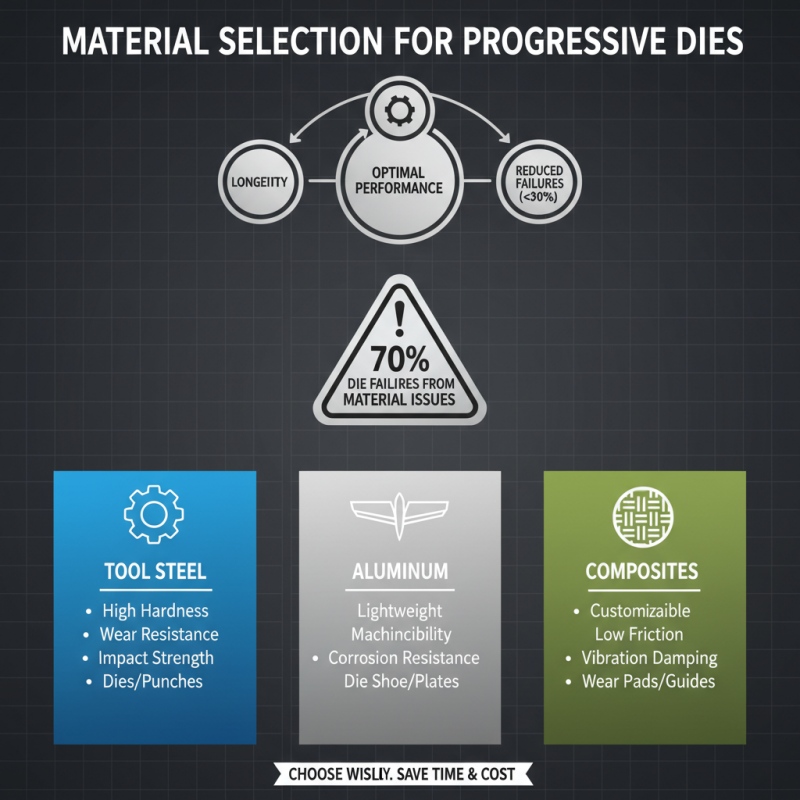
Selecting the right material for progressive die parts is crucial for optimal performance and longevity. According to industry analysis, over 70% of die failures stem from material-related issues. Choosing the right substance can reduce these failures significantly. Common materials include tool steel, aluminum, and composites. Each offers distinct advantages and challenges that must be weighed carefully.
Tool steels, favored for their durability, can withstand high stress. Data shows they account for nearly 60% of progressive die applications. However, they may not perform well in extremely corrosive environments. Aluminum, on the other hand, offers lightweight properties but has limited wear resistance. The choice often takes experience and detailed analysis of each application’s demands.
Reports indicate that advanced composite materials are gaining popularity. They can withstand a wide temperature range and offer excellent stress resistance. Yet, their higher cost poses a challenge for budget-conscious manufacturers. Choosing the wrong material can lead to increased downtime and repair costs, impacting overall efficiency. A thorough evaluation of applications and a clear understanding of material properties are essential for success in this area.
Evaluating Tolerance and Compatibility in Die Part Selection
When selecting progressive die parts, evaluating tolerance and compatibility is crucial for optimal performance. Tolerance refers to the allowable variation in manufacturing, influencing the fit and function of parts. Parts that do not meet tolerance specifications can lead to assembly issues and function failures. This makes careful assessment imperative.
Compatibility between the die components can impact production efficiency. Each die part must work seamlessly with others. A mismatch can cause delays and increased costs. Regularly measuring key dimensions is essential.
**Tips:** Always consult technical specifications before purchasing. Compare tolerances of different suppliers. A small oversight here can lead to major production setbacks.
Test each component thoroughly before full-scale production. Take time to review how each part interacts with others. Don't rush this step. A comprehensive understanding of each piece's fit can save time and resources in the long run.
Cost-Benefit Analysis of Your Progressive Die Parts Choices
When choosing progressive die parts, a cost-benefit analysis is crucial. It helps you evaluate different options based on performance and price. Every part has a role. Some may be cheaper but lack durability. Others are more expensive but offer better reliability. Understanding the balance between cost and quality is key for optimal production.
It's easy to go for the lowest price. However, this could lead to higher long-term expenses. Parts that wear out quickly require frequent replacements. This negatively impacts production efficiency. On the other hand, investing in higher-quality parts can save money over time. You may not see immediate savings, but reduced downtime and maintenance costs add up.
Consider the operational context as well. The specific materials you use and production volume matter. A part that works well in one scenario might fail in another. Gather feedback from operators who use these parts daily. Their insights help to refine your choices. Reflecting on these factors ensures that your decisions are informed and align with your production goals.