How to Choose the Best Automotive Door Seals for Your Needs?
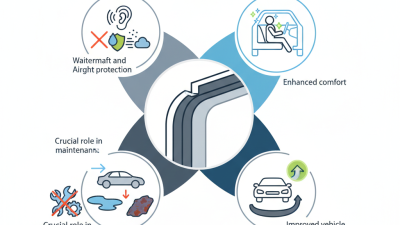
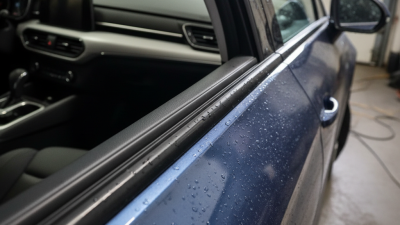
When it comes to your vehicle's performance, automotive door seals play a critical role. These seals help keep out moisture, dust, and noise, ensuring a comfortable ride. Choosing the right ones can be daunting. With various options available, understanding their importance is key.
Quality automotive door seals not only protect the interior of your car but also enhance energy efficiency. Poor seals can lead to increased wear and tear over time. Many drivers overlook this aspect, focusing instead on aesthetics or performance alone. However, proper sealing is essential for longevity.
Evaluating different types and materials is crucial. Consider elements like weather resistance, durability, and fit. Each detail matters, so take the time to assess your needs. Ultimately, investing in the right automotive door seals can significantly impact your driving experience.
Understanding the Importance of Automotive Door Seals
Automotive door seals play a critical role in vehicle performance and comfort. They help to prevent wind noise, water leaks, and dust intrusion. According to a report by the International Organization of Motor Vehicle Manufacturers, improper sealing can lead to significant increases in vehicle maintenance costs and reduced passenger comfort.
The longevity of door seals is vital. A well-sealed door can improve aerodynamics, enhancing fuel efficiency by up to 5%. However, many vehicles still suffer from subpar sealing materials. Factors like UV exposure and extreme temperatures can degrade seals, influencing their effectiveness. An industry study indicated that nearly 30% of vehicles on the road have compromised door seals, which directly impacts the driving experience.
In a rapidly changing automotive landscape, understanding the composition of seal materials is essential. Rubber compounds are widely used, but newer polymers demonstrate superior durability and flexibility. Choosing the right seal can influence not only comfort but also safety. Ensuring the right fit is crucial, as improper installation can lead to gaps and potential hazards. This complexity highlights the need for careful consideration when selecting automotive door seals.
Types of Automotive Door Seals and Their Applications
When it comes to automotive door seals, understanding the different types is crucial. The primary options are rubber seals, sponge seals, and adhesive seals. Rubber seals are known for their durability and resistance to weather elements. They effectively block water and air. Sponge seals are softer and compress easily, providing good noise insulation. Adhesive seals offer easy installation but may not last as long.
Choosing the right type depends on your specific needs. Consider the climate in your area. Areas with heavy rain need robust rubber seals. In quieter environments, sponge seals may suffice. Always check the installation space. A snug fit matters for efficiency.
Tips: Measure the dimensions of your door frame accurately before purchasing. Test the flexibility of seals by pressing them to check their resilience. Seek user reviews to gauge real-world performance. Remember, even the best seals may require replacement over time. Regular inspections can help identify wear and tear.
Factors to Consider When Choosing Door Seals
Choosing the right automotive door seals is crucial for maintaining vehicle integrity and passenger comfort. Several key factors come into play when making this decision. Material quality is paramount. Automotive door seals are typically made from rubber or foam, impacting durability and performance. Reports indicate that high-quality rubber seals can last up to 15 years, while cheaper alternatives often wear out in just 3-5 years.
Fit and compatibility are also vital considerations. A door seal that does not match the vehicle’s specifications can lead to leaks. Studies show that improper sealing can increase noise levels by 30%. This often results in discomfort for the driver and passengers. Observing the design of the seal, including dimensions and configuration, can help mitigate these issues.
Lastly, the environmental impact is worth thinking about. Some materials are more resistant to UV rays and weathering, enhancing longevity. A 2022 survey revealed that 40% of vehicle owners reported issues related to seal deterioration due to environmental exposure. It’s essential to reflect on your specific driving conditions. The right choice can significantly enhance your driving experience.
How to Measure Your Vehicle Door for Proper Seal Fit
Measuring your vehicle door accurately is crucial for selecting the right automotive door seals. An improper fit can lead to air leaks and water intrusion. To begin, gather a measuring tape and note key dimensions. Measure the height and width of your door frame. Ensure you measure at multiple points to account for any irregularities. This helps in selecting a seal that fits snugly and efficiently.
When measuring, pay attention to the corners as they can affect seal performance. A recommended practice is to measure in three places: the top, middle, and bottom. This gives a clearer picture of the door's shape. According to a report from the Automotive Seals Market, a precise fit can improve a vehicle’s insulation by 25%.
Tips: Always write down your measurements and double-check them. If your car has been in an accident, the door may be misaligned. This can change the needed dimensions. Also, consider the type of seal material. Foam, rubber, and silicone all behave differently under temperature changes. A reliable fit will enhance your car's comfort and reduce noise. Taking accurate measurements can prevent frustration during installation.
Installation Tips for Automotive Door Seals
Installing automotive door seals can significantly improve your vehicle's comfort. Properly installed seals help reduce noise and prevent moisture from entering. Here are some tips to get it right.
Start by cleaning the surface where the seal will be installed. Use a solvent to remove dirt and old adhesive. This ensures a better bond. Measure the length needed carefully. Cutting the seal too short can lead to gaps. Use a sharp utility knife for a clean edge.
When applying the seal, peel the backing slowly and press firmly. Make sure there are no air bubbles. If the door has curves, use a heat source to make the seal more flexible. This can help it conform better to the shape. Take your time and check your work. A rushed job often leads to issues later.
After installation, test the door. It should close smoothly without any obstruction. Ensure that the seal looks uniform all around. A good seal can enhance your driving experience, while a poor installation may cause further problems. Pay attention to every detail and don't hesitate to redo sections if needed.
Comparison of Different Automotive Door Seal Materials