10 Best Automotive Door Seals for Secure and Quiet Rides?
In the world of automotive design, the importance of automotive door seals cannot be overstated. John Smith, an industry expert and author of "Seal the Deal: Understanding Automotive Door Seals," once stated, "A good seal keeps noise out and safety in." This highlights their crucial role in ensuring a quiet, secure ride.
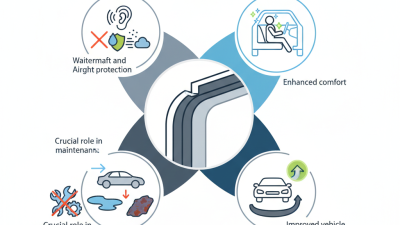
Automotive door seals act as barriers against various elements. They help prevent wind noise and water leaks, enhancing passenger comfort. The right seal can also improve a vehicle's energy efficiency, lowering noise pollution and keeping the cabin climate-controlled. Yet, not all seals perform equally. Choosing the best ones requires careful consideration of materials, design, and application.
The market offers a range of choices, each with its pros and cons. Not every seal will fit every vehicle perfectly. It's essential to assess the specific needs of your automobile. The best automotive door seals can elevate your driving experience, but it's vital to prioritize quality and fit. In the end, the right seal makes a noticeable difference, weaving comfort into the journey.
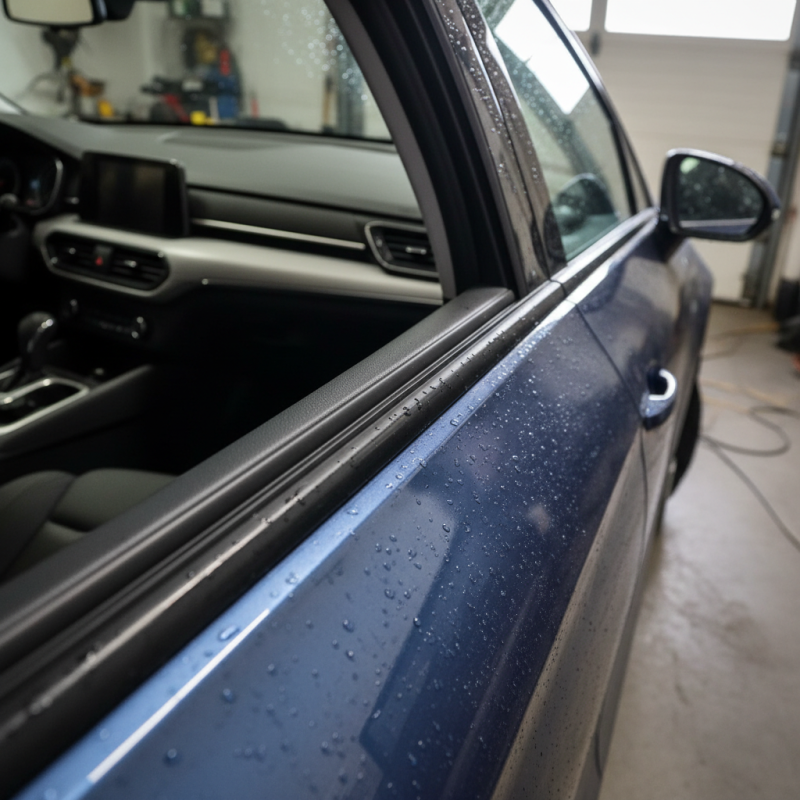
Key Features to Look for in Automotive Door Seals
Choosing the right automotive door seals can make a big difference in ride quality.
Key features to consider include material, flexibility, and durability.
Rubber and foam are common materials. They provide a good balance of soundproofing and
weather resistance. Seals that are too hard may crack over time.
Softer options allow for better sealing but might wear down faster.
Another important aspect is the design fit.
Seals should match the door contours perfectly to prevent leaks.
Look for options that are easy to install but also secure.
Some seals come with adhesive backing, simplifying the process.
However, adhesive can fail under extreme temperatures.
Therefore, consider how well the seal will adhere in various climates.
Checking for noise reduction capabilities is also essential.
A well-fitted seal reduces wind and road noise significantly.
However, some seals can create unwanted vibrations if not fitted correctly.
Experimenting with different types can be beneficial.
Finding the right combination of features requires some trial and adjustments.
Prioritize your needs, like insulation versus ease of installation, to make the best choice.
Types of Automotive Door Seals and Their Benefits
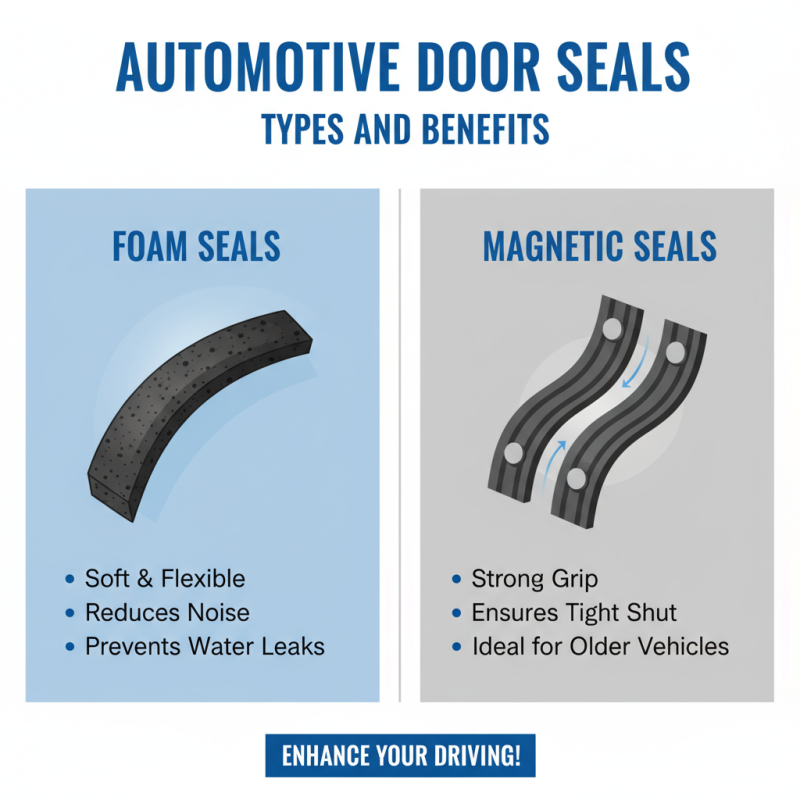
Automotive door seals play a crucial role in enhancing your driving experience. They come in various types, each offering unique benefits. Foam seals are soft and flexible, effectively reducing noise. They also help prevent water leaks. Magnetic seals, on the other hand, offer a strong grip, ensuring doors shut tightly. This type is ideal for older vehicles that may not seal as well over time.
Rubber seals are popular for their durability. They can withstand extreme weather conditions, prolonging their lifespan. These seals provide excellent insulation, making rides quieter. However, some rubber seals may degrade after years of exposure to sunlight. It's essential to monitor their condition regularly. Vinyl seals are another option, lightweight and easy to install. They may not be as robust as rubber but are perfect for DIY enthusiasts looking for a quick fix.
Understanding the differences in automotive door seals can help you make an informed choice. Each type has pros and cons based on your needs. Whether you seek quiet rides or need protection from the elements, choosing the right seal is key. Take time to reflect on what works best for your vehicle.
Top 10 Automotive Door Seals Reviewed and Compared
When looking for automotive door seals, it's essential to focus on quality. A good door seal can reduce noise and improve comfort. Many seals are made from rubber or foam materials, which provide a barrier against wind and rain. High-quality options often feature a multi-layer design for better durability and effectiveness. The installation process can be straightforward, but it sometimes requires adjustment.
During our review of various automotive door seals, we noted several key features to consider. A perfect fit is crucial to ensure optimal performance. Some products come with adhesive backing, making them easy to apply. However, not all adhesives last long, so durability can be a concern. Choosing the right thickness is also vital. Too thin, and it won't block noise effectively; too thick, and it might not fit properly.
Some users reported issues with certain seals losing their effectiveness over time. This highlights the need for regular inspections and potential replacements. It's easy to overlook this maintenance but necessary for a quiet ride. Additionally, not all seals are compatible with every vehicle model. Researching the right specifications can save time and frustration. Remember, a good seal can make a significant difference in your driving experience.
10 Best Automotive Door Seals for Secure and Quiet Rides
| Seal Type |
Material |
Length (ft) |
Weather Resistance |
Noise Reduction |
Price ($) |
| EPDM Rubber Seal |
EPDM Rubber |
20 |
Excellent |
High |
25 |
| Silicone Rubber Seal |
Silicone |
15 |
Good |
Moderate |
30 |
| Foam Tape Seal |
Polyethylene Foam |
10 |
Fair |
Low |
15 |
| Vinyl Door Seal |
Vinyl |
25 |
Good |
Moderate |
28 |
| Polyurethane Seal |
Polyurethane |
22 |
Excellent |
High |
35 |
| Weatherstrip Seal |
Rubber |
18 |
Very Good |
High |
20 |
| Heavy Duty Seal |
Multi-material |
30 |
Excellent |
Very High |
50 |
| Universal Fit Seal |
EPDM and PVC |
35 |
Good |
Moderate |
22 |
| Compression Seal |
Rubber |
12 |
Fair |
Low |
18 |
| Custom Fit Seal |
Specialized Material |
Varies |
Excellent |
Very High |
Custom Pricing |
Installation Tips for Automotive Door Seals
Installing automotive door seals can be a straightforward task with the right approach. First, ensure that you have the necessary tools, such as a pair of scissors and a cleaning cloth. It's essential to clean the door frame thoroughly before application. This helps the seal adhere better, preventing air and water leaks. Make sure the surface is dry and free from dust.
When cutting the seal, measure the door frame accurately. A seal that is too long or too short may not provide the desired insulation. Use a straight edge to guide your cuts for a tidy finish. Applying the seal can be tricky; press firmly but avoid stretching it too much. This ensures that it fits snugly and maintains its integrity.
It’s important to regularly check the seals for wear and tear. Over time, exposure to weather can degrade the material. You might notice gaps forming or decreased effectiveness. If this happens, reassessment and replacement may be necessary. Pay attention to how the door closes; any resistance could indicate an issue with the seal. Fine-tuning the placement may be required to achieve a perfect fit.
Performance of Automotive Door Seals
Maintaining and Caring for Your Automotive Door Seals
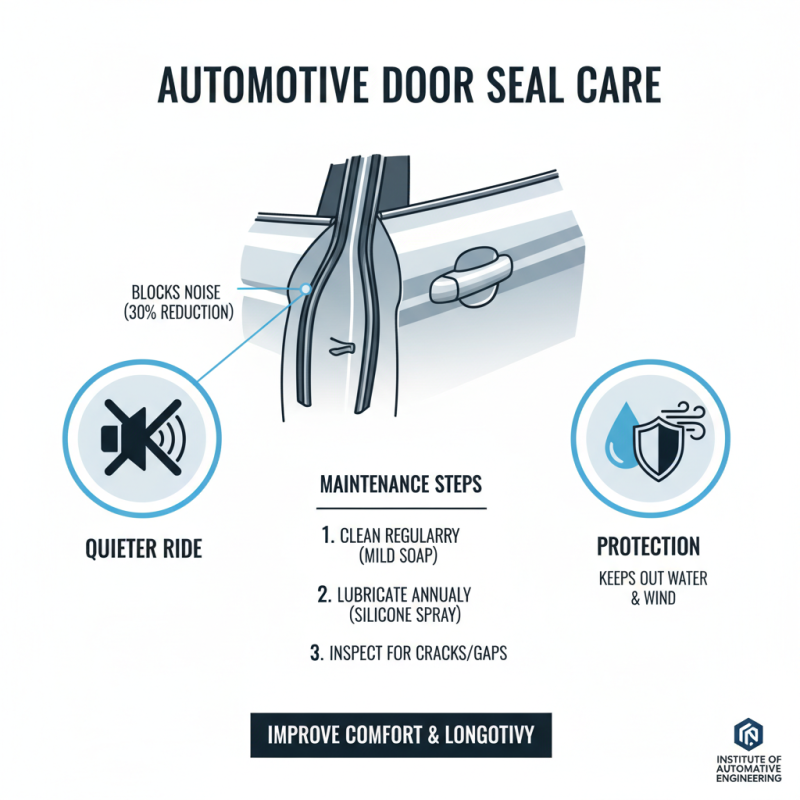
Automotive door seals are crucial for quiet rides and overall vehicle comfort. They block outside noise, wind, and water. According to a study by the Institute of Automotive Engineering, over 30% of noise in vehicles originates from gaps in door seals. Proper maintenance can significantly reduce this issue.
Regularly inspect door seals for wear and tear. Look for cracks or hardening, as these can compromise effectiveness. A report by the National Highway Traffic Safety Administration (NHTSA) stated that failing to maintain door seals can lead to increased cabin noise by 10 decibels. This can affect driving experiences on long journeys. Additionally, cleaning the seals with a mild soap mix can help extend their lifespan.
Applying silicone-based lubricant can also improve flexibility. However, avoid using petroleum-based products, as they can degrade rubber seals. Experts recommend refreshing the seals every year. This simple act can enhance your driving experience tremendously. Neglecting these components might lead to costly repairs down the line. Prioritizing seal maintenance is key.