Best Progressive Die Parts for Precision Manufacturing Needs?
In the world of precision manufacturing, the choice of Progressive Die Parts is crucial. Industry expert John Smith, a renowned figure in die manufacturing, highlights, "Selecting the right components can make or break a production line." His insight emphasizes the significance of these parts in achieving exact specifications.
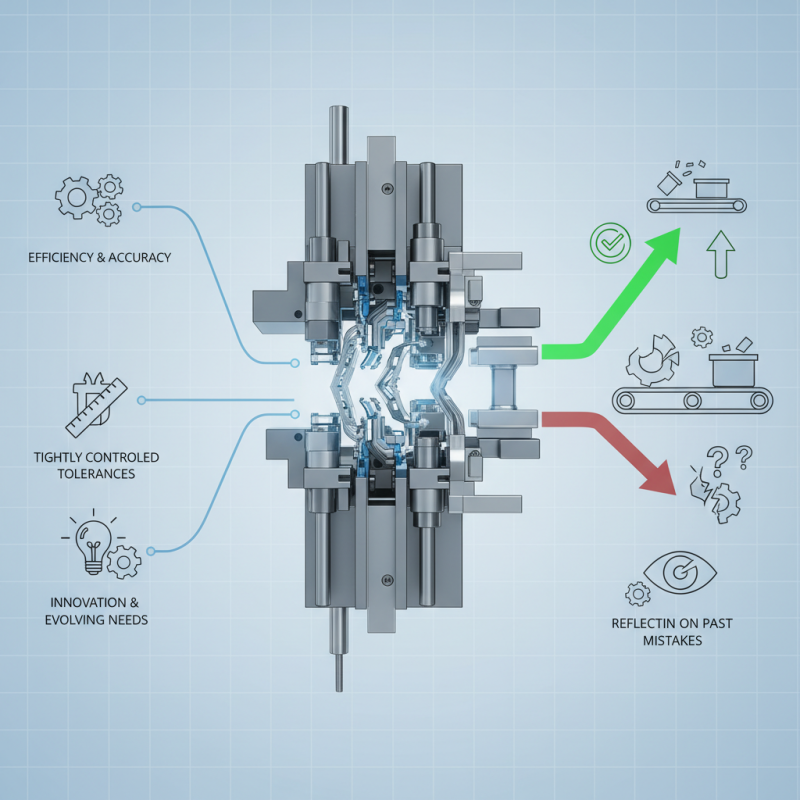
Progressive Die Parts are essential for manufacturers seeking efficiency and accuracy. These components contribute to the progressive stamping process, allowing for the creation of complex shapes with tightly controlled tolerances. Without high-quality parts, manufacturers may face challenges in production speed and material wastage.
The evolving needs of industries demand constant innovation in die parts. Manufacturers must evaluate their options carefully. It’s not just about durability; the compatibility of parts is vital too. Perfect parts lead to flawless production, but even the best can fall short in practice. Reflecting on past mistakes can offer valuable lessons for selecting the right Progressive Die Parts.
Understanding Progressive Dies in Precision Manufacturing
Progressive dies are essential in precision manufacturing, allowing for efficient production of complex parts. These dies combine multiple operations in one cycle, resulting in higher output and reduced handling time. According to industry reports, the use of progressive dies can improve productivity by up to 50%. Additionally, precision is crucial; tolerances often fall within 0.01 mm. However, achieving this precision can require advanced engineering and continual adjustments.
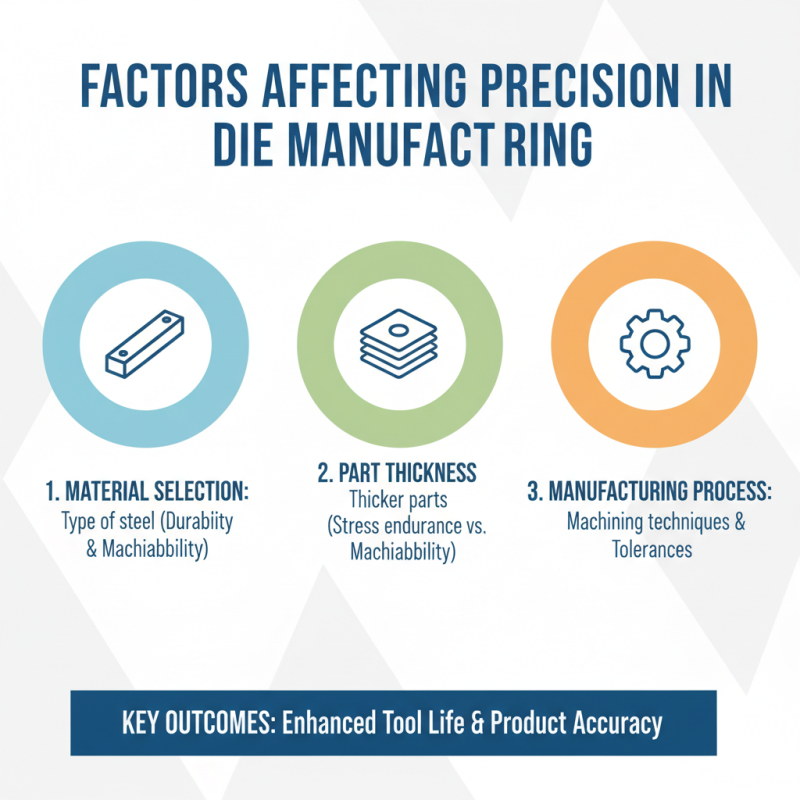
The design and quality of progressive die parts significantly impact manufacturing outcomes. Factors such as material selection and die geometry must be carefully considered. Studies indicate that nearly 30% of production defects stem from die design issues. Regular maintenance and inspection play a vital role in sustaining die performance. It is essential to invest time in developing a robust maintenance schedule. Skipping these steps can lead to wear and tear, ultimately affecting part quality.
Innovation in materials has enhanced progressive die capabilities. Advanced steels and coatings increase durability and resistance to wear. However, these innovations come at a cost. Not all manufacturers can afford high-end materials, raising questions about the balance between cost and quality. Manufacturers must regularly evaluate their processes to ensure optimal performance. Continuous improvement is key to staying competitive in precision manufacturing.
Key Components of Progressive Die Parts
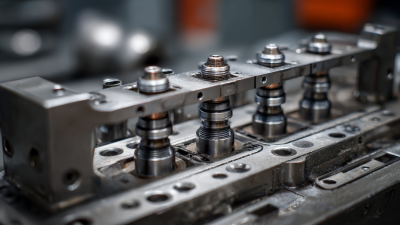
Progressive dies play a critical role in precision manufacturing. Understanding key components of these dies is essential for producing high-quality parts. Some of the main components include punches, die blocks, and feed systems. Each part has specific functions that contribute to the manufacturing process.
Punches shape the material as it is cut and formed. They are designed with precision to ensure uniformity. According to industry reports, the correct punch size can affect wear and tear. This can lead to costly downtime. Feed systems are equally vital. They guide the material through various stages of production. An efficient feed system enhances speed and accuracy.
Die blocks serve as the backbone of the die. Their stability is crucial for maintaining alignment. Choosing high-quality die blocks can improve longevity. However, not all manufacturers prioritize this. Some overlook the potential pitfalls of using lower-grade materials. This can compromise the overall efficiency of the die. Ensuring the right balance between cost and quality is a common challenge. This reflects the need for thorough analysis in die selection. Each component must work harmoniously to meet precision manufacturing demands.
Best Progressive Die Parts for Precision Manufacturing Needs - Key Components of Progressive Die Parts
| Component |
Material |
Dimensions (mm) |
Applications |
Production Tolerance |
| Punch |
Tool Steel |
10 x 100 |
Metal Stamping |
±0.01 |
| Die Block |
Hardened Steel |
150 x 200 |
Sheet Metal Forming |
±0.02 |
| Guide Post |
Stainless Steel |
15 x 150 |
Precision Alignment |
±0.005 |
| Retaining Ring |
Carbon Steel |
20 x 80 |
Component Stability |
±0.01 |
| Feed Strip |
Aluminum Alloy |
100 x 500 |
Material Feeding |
±0.03 |
Benefits of Using High-Quality Die Parts
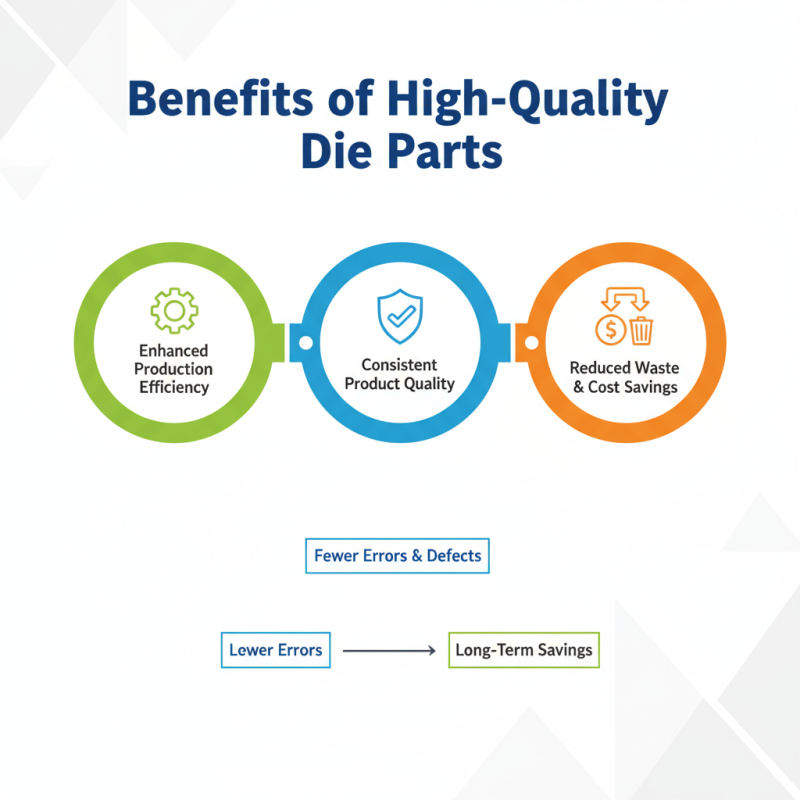
High-quality die parts play a crucial role in precision manufacturing. They enhance the efficiency of the production process and ensure consistency in product quality. When manufacturers invest in superior die parts, they often see fewer errors and defects. This can significantly reduce waste and save money in the long run.
Using durable materials and advanced manufacturing techniques leads to better die performance. High-quality components provide better fit and alignment within the die set. This minimizes wear and tear, which impacts longevity. However, sourcing these parts may come with challenges, such as cost and availability. Some manufacturers might feel tempted by lower-priced options, but this often leads to higher maintenance costs.
Consider the long-term benefits of investing in quality. Enhanced precision can lead to improved end products and higher customer satisfaction. Yet, it’s essential to evaluate whether the initial investment aligns with your production goals. Balancing quality with cost remains a challenge for many, and it's worth reflecting on your specific needs.
Best Materials for Progressive Die Parts
When it comes to manufacturing precision components with progressive die parts, material selection is crucial. An industry report indicates that tool steel remains a top choice. It provides the necessary hardness and wear resistance. Many manufacturers prefer A2 and D2 tool steels. These materials can withstand high production volumes. They also reduce the risk of tool failure.
However, using tool steel presents challenges. Tool steels can be expensive and may require specialized heat treatment. If not processed correctly, they can lead to dimensional inaccuracies. This can increase production costs in the long run. Another option is high-speed steel (HSS), which excels in high-temperature applications. A report noted that HSS tools can cut faster than traditional steels. Yet, they often come with lower wear resistance.
Plastics can be a viable alternative for specific parts. They are lightweight and can reduce die wear. Engaging with material data can help determine performance characteristics. However, plastic parts may not withstand extreme conditions or loads. Balancing cost, performance, and durability is essential for effective manufacturing. Exploring these options requires careful consideration and testing to meet precise specifications.