Top Quality Automotive Gaskets from China for Global Buyers?
In the fast-evolving automotive industry, the importance of quality components cannot be overstated. Automotive gaskets play a crucial role in ensuring vehicle performance and efficiency. They prevent leaks and maintain pressure in engines, making them vital for the longevity of any vehicle. China has emerged as a powerhouse in manufacturing automotive gaskets, offering a wide variety of products to meet global demand.
However, not all gaskets are created equal. Buyers need to be discerning when selecting suppliers. Factors such as material quality, manufacturing processes, and reliability can vary significantly. Some Chinese manufacturers excel in producing high-quality gaskets, while others may cut corners. It’s essential for global buyers to conduct thorough research and partner with reputable companies.
An informed choice can lead to better performance and cost-effectiveness. Yet, potential buyers should remain cautious. Understanding the nuances of automotive gaskets can enhance decision-making. In this dynamic landscape, knowledge and vigilance are key.
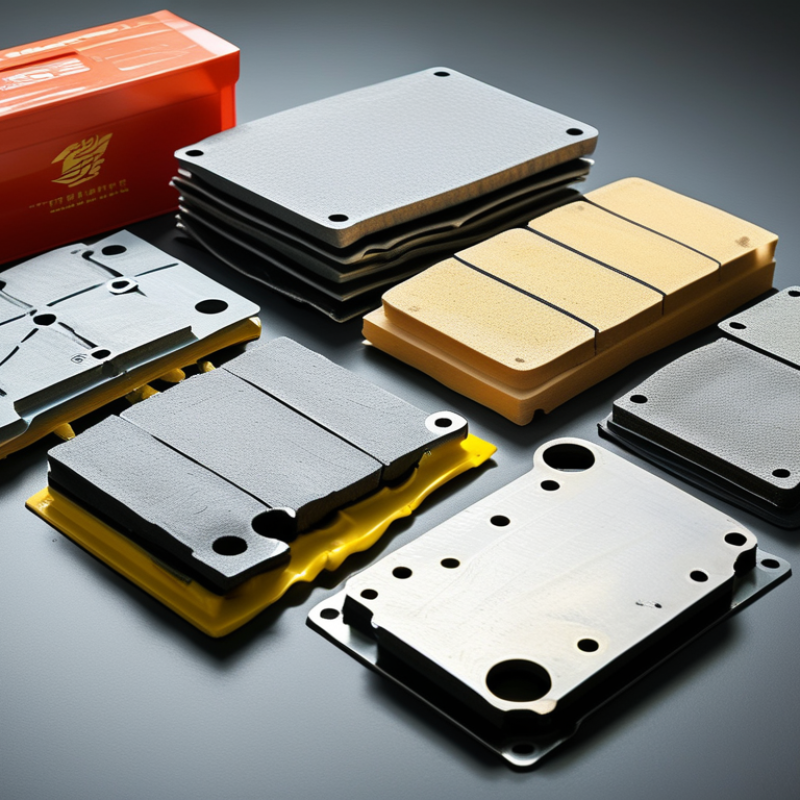
Top Quality Automotive Gaskets: Overview of the Industry in China
China has emerged as a key player in the automotive gaskets industry. The country is known for producing a wide range of high-quality gaskets. Many manufacturers focus on advanced materials and innovative designs. This results in products that meet international standards. Significant investments in technology enhance production capabilities.
Despite the advantages, challenges remain. Some manufacturers struggle with quality consistency. This inconsistency can deter global buyers. Additionally, fluctuating material costs pose risks to competitiveness. Companies must address these issues to sustain growth. Suppliers need to invest in better quality control measures.
Industry expertise is crucial. Many manufacturers have experienced engineers and designers. They contribute valuable insights into product development. However, the need for continuous improvement remains. Building trust with global buyers is essential. Fostering transparent communication can strengthen these relationships. Ultimately, the future looks promising for China’s automotive gaskets sector.
Top Quality Automotive Gaskets: Overview of the Industry in China
| Gasket Type |
Material |
Applications |
Average Price (USD) |
Production Volume (units/year) |
| Cylinder Head Gasket |
Metal+Composite |
Automobile Engines |
25 - 50 |
1,000,000 |
| Intake Manifold Gasket |
Rubber |
Air Intake Systems |
10 - 30 |
800,000 |
| Exhaust Gasket |
Graphite |
Exhaust Systems |
15 - 35 |
600,000 |
| Oil Pan Gasket |
Silicone |
Oil Containment |
5 - 20 |
500,000 |
| Valve Cover Gasket |
Composite Material |
Engine Covers |
8 - 25 |
700,000 |
Key Manufacturers of Automotive Gaskets in China: Market Leaders
When looking for top-quality automotive gaskets, China's manufacturing landscape stands out. The country is home to several key manufacturers leading the industry. These companies specialize in producing gaskets with precision and quality assurance. They invest in advanced technology and employ skilled workers, ensuring that their products meet international standards. This focus on quality makes them reliable suppliers for global buyers.
Tips: Before purchasing, consider the manufacturing process and material specifications. Understanding these factors can help you choose the right gasket for your needs.
China's automotive gasket market features diverse offerings. Many manufacturers provide customized solutions tailored to specific vehicle requirements. This ability to adapt can be a great advantage for buyers seeking unique specifications. However, it is vital to conduct thorough research before entering any agreements.
Tips: Request samples to assess quality firsthand. This step can reveal much about a manufacturer’s capabilities and standards.
One should also be mindful of potential challenges. Some manufacturers may lack transparency in their operations. It is crucial to establish clear communication channels and verify credentials. This diligence will aid in building a trustworthy supplier relationship, ultimately leading to better outcomes.
Material Science: Types of Gasket Materials Used in Automotive Applications
When it comes to automotive gaskets, material selection is crucial. Various materials provide different levels of heat resistance, chemical stability, and durability. Common types include rubber, silicone, and metal. Each type has unique properties suited for specific applications.
Rubber gaskets offer excellent flexibility but may degrade under high temperatures. Silicone is favored for its high heat resistance and longevity. However, it can be costlier than rubber. Metal gaskets, often used in high-performance engines, provide strength and stability but require precise installation to avoid leaks.
Tips: Always consider the operating environment when choosing gasket materials. Specific applications may demand more robust solutions, leading to higher costs. Evaluate the performance requirements closely to avoid overspending on alternatives that may not suit your needs.
While sourcing gaskets, ensure you assess the manufacturer's credentials. Quality control in production is essential. Work with suppliers who share insights about their materials and testing processes to ensure reliability. Flawed components can lead to significant engine issues, so it's vital to remain vigilant.
Global Demand for Gaskets: Statistics and Trends in the Automotive Sector
The automotive gasket market is evolving rapidly. Global demand is on the rise, driven by increased vehicle production and maintenance. Gaskets are crucial components in engines, ensuring optimal performance and preventing leaks. Their significance cannot be overstated.
Recent statistics indicate a surge in demand for high-quality gaskets, particularly from China. Global manufacturers are seeking reliable suppliers who meet stringent quality standards. However, quality control remains a challenge for many. Subpar products can lead to severe engine issues, reflecting the need for continuous improvement and quality assurance in production.
As the automotive sector embraces new technologies, the demand for advanced materials in gaskets is growing. Manufacturers are exploring innovative solutions to enhance durability and performance. Yet, the industry must address existing gaps in supply chains and materials sourcing. Understanding these trends is essential for anyone involved in the automotive sector today.
Quality Control Standards for Automotive Gaskets in China and Beyond
Quality control is crucial in the automotive industry, especially for gaskets. In China, manufacturers are increasingly adopting stricter standards to ensure their products meet global requirements. The production process often involves multiple inspections and testing phases. These steps are vital to prevent defects and ensure durability. However, the consistency of these practices can vary widely among manufacturers.
One common issue arises from the lack of standardized testing protocols. While some factories implement advanced quality management systems, others may overlook essential checks. This inconsistency can lead to variations in gasket performance. Global buyers need to conduct thorough due diligence. This may include on-site audits or third-party inspections. Relying solely on supplier claims can be risky.
Another challenge is balancing cost and quality. Lower production costs often compromise material quality. Buyers should be cautious of deals that seem too good to be true. Effective communication with suppliers can help clarify quality expectations. Ensuring a shared understanding fosters better partnerships. By focusing on these areas, global buyers can make informed choices in sourcing automotive gaskets from China.