Top 10 Hydraulic Seals You Need to Know About?
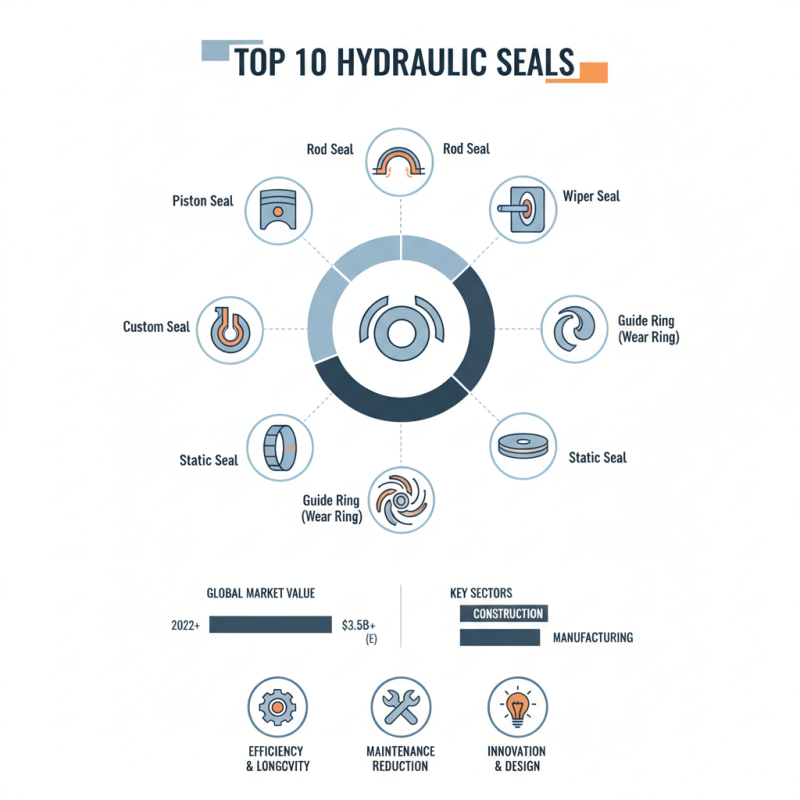
Hydraulic seals play a crucial role in modern machinery, ensuring efficient operation and longevity. According to industry reports, the global hydraulic seals market was valued at over $3 billion in 2022, reflecting a steady growth trend. This growth is driven by increasing demand in sectors like construction and manufacturing, where hydraulic systems are essential.
Understanding the types and applications of hydraulic seals is vital for maintaining equipment performance. However, many users overlook their significance. A lack of knowledge can lead to improper installation and premature failure, resulting in costly downtime. The right seal can enhance system reliability and reduce maintenance costs.
Yet, not all hydraulic seals are created equal. Factors such as material composition and sealing design greatly influence performance. As this industry evolves, new technologies are introduced, but some traditional methods may still hold value. Professionals must reflect on their choices and consider advancements for optimal outcomes.
Understanding Hydraulic Seals: Definition and Importance in Industries
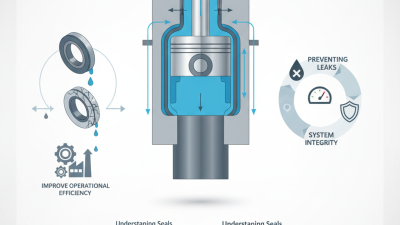
Hydraulic seals are critical components in various industries. They prevent fluid leakage, ensuring efficiency in machinery. A hydraulic seal blocks the passage of liquids under pressure. Their importance cannot be overstated, as they maintain the performance and safety of hydraulic systems.
According to a recent industry report, improper sealing can lead to a 30% drop in system efficiency. It can also cause significant damage to equipment. Regular maintenance checks are essential. Many believe seals only need attention during major overhauls. This belief can lead to costly mistakes.
Tips for maintaining hydraulic seals include regular inspections. Look for signs of wear, such as discoloration or cracks. Using the right seal material for your environment is crucial. Not every seal suits every application. Consider temperature, pressure, and fluid compatibility when selecting seals. Missteps in these areas can be detrimental.
Always document maintenance activities. This practice helps identify patterns in seal performance. Recognizing the right timing for replacements is vital. It might save time and resources in the long run.
Types of Hydraulic Seals: O-Rings, U-Cups, and More Explored
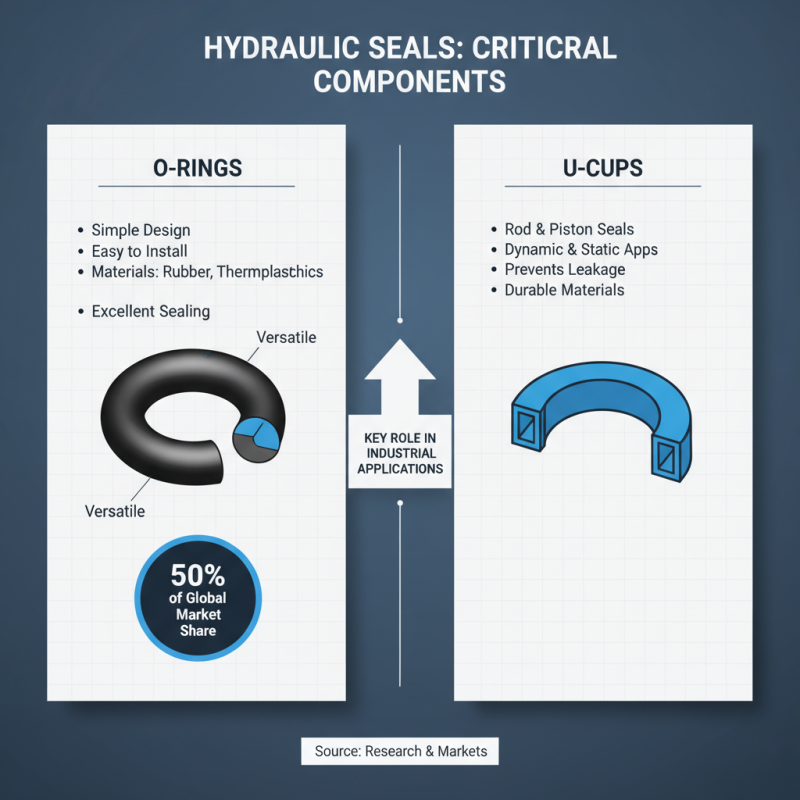
Hydraulic seals play a critical role in various industrial applications. Among the most common types are O-rings and U-cups. O-rings are versatile and widely used due to their simple design and ease of installation. They are made from rubber or thermoplastics, which provide excellent sealing capabilities. According to a report by Research and Markets, O-rings represent around 50% of the global hydraulic sealing market.
U-cups, on the other hand, are designed for dynamic applications. They provide superior sealing in both directions and are particularly effective in low-pressure applications. Many industries favor U-cups for their resilience and longevity. However, their performance can diminish under extreme conditions. Data indicates that U-cups have a lower tolerance for contaminants compared to O-rings, which may lead to premature failure.
Choosing the right seal requires understanding the specific application needs. For example, temperature fluctuations and chemical exposure can heavily influence the choice between O-rings and U-cups. Companies must consider these factors carefully. Despite advancements in materials and design, neglecting these specifics can result in costly breakdowns. The right seal matters greatly for operational efficiency.
Material Selection for Hydraulic Seals: Rubber, PTFE, and Metal Options
When selecting materials for hydraulic seals, it is essential to consider their specific applications. Rubber seals are commonly used for their elasticity and cost-effectiveness. They provide excellent sealing capabilities and are effective in low-pressure applications. However, they can degrade quickly when exposed to oils or high temperatures. According to a 2020 industry report, rubber seals have a lifespan of approximately 2 to 5 years, depending on operating conditions.
PTFE (Polytetrafluoroethylene) is another popular choice. It excels in high-temperature and chemical-resistant environments. PTFE seals can handle pressures up to 3000 PSI, making them suitable for demanding applications. A study highlighted that PTFE seals last significantly longer in harsh conditions compared to rubber.
Metal seals offer durability and strength. They perform well in extreme environments where both high pressure and temperature exist. Unlike their rubber counterparts, metal seals resist wear and tear better. Yet, they require precise installation and can be expensive. The challenge lies in balancing performance and cost. Each material has strengths and weaknesses, and the choice often depends on the application's specific needs.
Failure Modes of Hydraulic Seals: Common Issues and Performance Metrics
Hydraulic seals play a critical role in equipment performance. However, they are prone to various failure modes. Understanding common issues can help in maintaining equipment. A common problem is extrusion. When pressure exceeds the seal’s capacity, it can stretch or break. This often leads to leaks. Another issue is wear. Over time, constant movement can wear out the seal. This can create gaps, resulting in fluid loss.
Additionally, improper installation can cause significant damage. Misalignment may lead to uneven wear. A poorly fitted seal may not perform as expected. Environmental factors also impact seal longevity. Contaminated fluids can lead to premature failure. UV exposure can degrade materials quickly. Monitoring performance metrics is essential for detecting early signs of failure. Regular inspections can help identify issues before they escalate.
Sometimes, even minor defects can lead to major failures. A small notch in the seal can create a larger problem. Operators should remain vigilant. Learning from past issues can improve future performance. A proactive approach is always best. Understanding these common failure modes fosters better maintenance practices.
Top 10 Hydraulic Seals You Need to Know About
| Seal Type |
Common Issues |
Performance Metrics |
Failure Modes |
| O-Ring Seals |
Extrusion, Hardening |
Temperature Range: -40°C to 100°C |
Fatigue, Compression Set |
| U-Cup Seals |
Leaking, Squeeze |
Pressure Rating: Up to 4000 psi |
Pinching, Blowout |
| V-Ring Seals |
Wear, Improper Installation |
Rotational Speed: Up to 25 m/s |
Debris Damage, Friction |
| Piston Seals |
Leaking, Wear |
Stroke Length: Up to 2 m |
Blowby, Misalignment |
| Rod Seals |
Scoring, Leakage |
Dynamic Pressure: Up to 2000 psi |
Wear Rate, Cut Through |
| Backup Rings |
Extrusion, Damage |
Tolerance: ±0.01 mm |
Compression, Failure |
| Sealant Gaskets |
Tear, Swelling |
Joint Gap: 0.5 mm |
Pressure Loss, Cracking |
| Cup Seals |
Wear, Leakage |
Temperature Resistance: -30°C to 80°C |
Cold Flow, Deformation |
| Flat Seals |
Compression, Contamination |
Thickness: 2 mm to 5 mm |
Permeation, Leakage |
| Spherical Seals |
Deterioration, Misalignment |
Load Capacity: Varies |
Surface Wear, Fatigue |
Applications of Hydraulic Seals: From Automotive to Aerospace Engineering
Hydraulic seals play a vital role in various industries. In automotive engineering, they ensure that hydraulic systems operate effectively. These seals prevent leaks in brake systems and power steering. They must withstand high pressure and temperature changes. Failure in these seals can lead to serious safety issues.
In aerospace engineering, the stakes are even higher. Hydraulic seals are essential for flight control systems and landing gear. They must be reliable under extreme conditions. A small leak can compromise an aircraft’s performance. Engineers often face challenges in selecting the right materials. It's critical to consider factors like temperature, pressure, and fluid compatibility.
Industries are constantly evolving. New materials and designs emerge regularly. However, it can be difficult to keep up with innovations. Engineers must evaluate the risk of seal failure in their applications. Learning from past failures is necessary for progress. It’s a continuous cycle of improvement.
Top 10 Hydraulic Seals Applications