What is Stamped Sheet Metal and How is it Used?
Stamped Sheet Metal is an essential material widely used in various industries. This process involves shaping metal sheets into specific forms, utilizing dies to create precise designs. Manufacturers rely on stamped sheet metal for its versatility and cost-effectiveness. It can be found in everything from automotive parts to household appliances.
One significant advantage of stamped sheet metal is its ability to produce complex shapes with high accuracy. This precision is crucial in sectors where safety and functionality are paramount. For example, the automotive industry leverages this material to manufacture components that meet strict safety standards.
However, there are challenges in the stamping process. Achieving consistent quality requires skilled operators and modern machinery. Even with advanced technology, imperfections may arise. It's essential to continuously evaluate these processes to enhance reliability and performance. Understanding stamped sheet metal's strengths and limitations is vital for anyone involved in manufacturing.
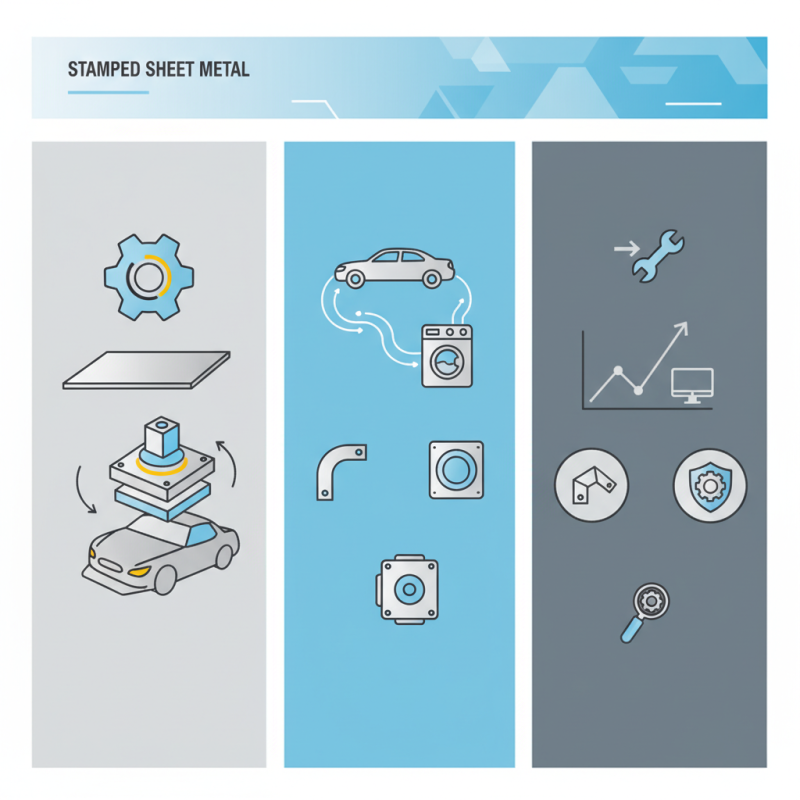
Definition of Stamped Sheet Metal and Its Characteristics
Stamped sheet metal is a versatile material widely used across various industries. This process involves cutting and shaping metal sheets using precise machinery and dies. The result is a highly refined product that maintains consistent dimensions and an impressive finish.
Commonly made from steels, aluminum, or copper, stamped sheet metal is lightweight yet remarkably durable.
One of the key characteristics of stamped sheet metal is its malleability. This property allows manufacturers to create intricate designs and shapes, catering to the specific needs of their projects. Additionally, the stamping process can enhance surface quality, providing an aesthetic appeal to the final product. However, achieving consistent results can sometimes be challenging. Variations in temperature or pressure during stamping may lead to defects that require careful inspection and adjustments.
The applications of stamped sheet metal are extensive. It finds prominent use in automotive components, appliances, and HVAC systems. Despite its advantages, engineers must address potential weaknesses, such as susceptibility to corrosion or fatigue. These factors remind designers to continually assess manufacturing processes and materials for better outcomes. Balancing cost-effectiveness with quality remains a constant challenge in this industry.
Overview of the Stamping Process in Metal Fabrication
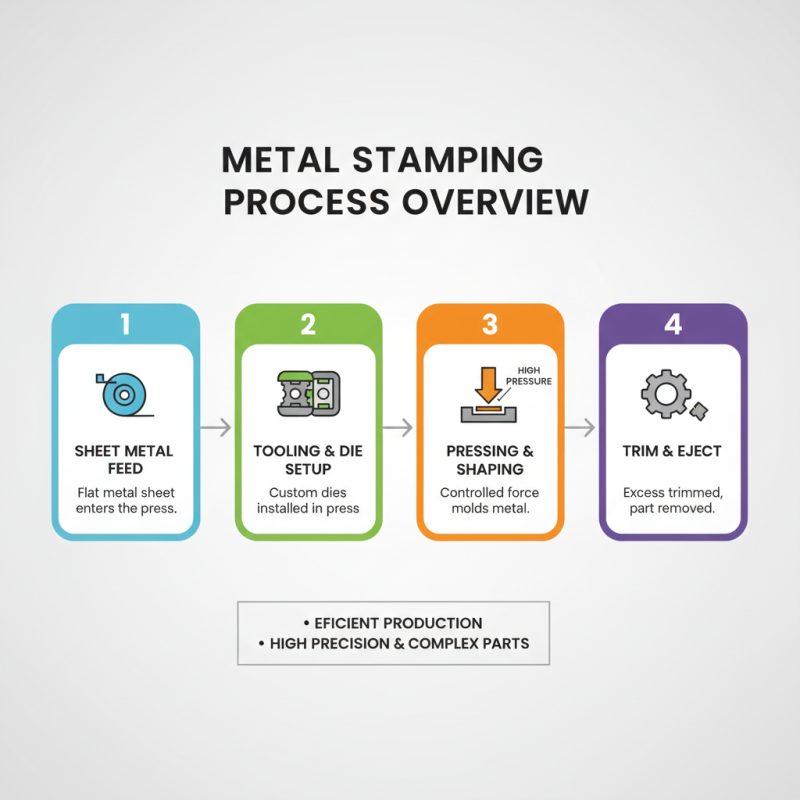
The stamping process in metal fabrication is essential for creating various components. It involves shaping sheet metal through controlled force. This method can produce complex parts efficiently and with high precision. The stamping process typically utilizes dies, which mold the metal into desired shapes. The metal is placed in a press that applies pressure, allowing it to conform to the die's design.
Tips for effective stamping: Ensure proper alignment of the metal sheet to avoid defects. Regularly maintain your stamping machines for optimal performance. Monitor the wear on your dies, as worn dies can lead to inconsistencies in the final products.
Moreover, the materials used in stamping can vary. Stainless steel, aluminum, and copper are common choices. Each material offers unique benefits. They differ in weight, strength, and corrosion resistance. Choosing the right metal is critical in ensuring the part's performance in its intended application. However, experimenting with different materials can sometimes lead to unexpected challenges in the stamping process.
Common Applications of Stamped Sheet Metal Across Industries
Stamped sheet metal is widely used across various industries due to its versatility and cost-effectiveness. In the automotive sector, for example, it plays a critical role in manufacturing components like brackets, panels, and housings. According to a report by Smithers, the global market for stamped metal products is expected to reach $241 billion by 2026, driven by increasing demand in automotive and aerospace industries.
In the electronics industry, stamped sheet metal is essential for enclosures and heat sinks. Lightweight constructions can significantly enhance efficiency. A study from the International Journal of Manufacturing Technology reveals that precision stamping reduces material waste by up to 30%. This not only saves costs but also promotes sustainability.
Tip: When designing stamped components, always consider selecting the right material. Each material influences the ease of stamping and the final product quality. Think about using recyclable metals to further reduce the
environmental impact.
Moreover, in HVAC applications, stamped sheet metal is used for ductwork and fittings. The ability to create complex shapes leads to better
airflow and
energy efficiency. However, challenges such as maintaining high tolerance levels during stamping must be addressed. Design improvements are necessary to enhance the manufacturability of these components.
Tip: Regularly evaluate manufacturing processes for potential refinements. Small adjustments can lead to significant improvements in both quality and efficiency.
Advantages of Using Stamped Sheet Metal in Manufacturing
Stamped sheet metal is a vital component in various manufacturing processes. Its advantages make it popular among engineers and designers. One key benefit is its cost-effectiveness. Stamping allows for mass production, which reduces individual part costs significantly. This aspect is crucial for companies wanting to maintain competitive pricing without sacrificing quality.
Durability is another important advantage. Stamped sheet metal exhibits remarkable strength and can withstand harsh environments. Its ability to resist wear makes it ideal for automotive parts and industrial machinery. However, not all designs are suitable for stamping. Complex shapes may require additional processes, which can increase costs and lead times.
Precision is also noteworthy. The stamping process ensures high accuracy in dimensions, which is essential for assembly. Yet, achieving this precision requires skilled operators and proper maintenance of the machinery. Overlooking these factors can result in defects, impacting the final product. Balancing efficiency and quality presents ongoing challenges in the industry.
What is Stamped Sheet Metal and How is it Used? - Advantages of Using Stamped Sheet Metal in Manufacturing
| Attribute |
Description |
Advantages |
| Material Types |
Common materials include aluminum, steel, and copper. |
Variety of materials allows for tailored properties and performance. |
| Applications |
Used in automotive parts, electronics, appliances, and aerospace. |
Wide range of applications enhances versatility in manufacturing. |
| Cost Efficiency |
High-volume production reduces costs per unit. |
Cost savings on materials and labor make it economically advantageous. |
| Precision |
High accuracy in dimensions and specifications. |
Ensures parts fit together perfectly, reducing waste and rework. |
| Customization |
Easily customizable designs to meet specific requirements. |
Flexibility in design leads to innovative solutions for complex problems. |
| Strength |
Increased strength-to-weight ratio compared to other manufacturing methods. |
Lightweight materials without sacrificing durability and strength. |
Factors Influencing the Design and Production of Stamped Parts
When designing and producing stamped sheet metal parts, several factors come into play. Material choice is crucial. The type of metal affects the part's strength and flexibility. Common materials include aluminum and steel. Thicker metals may require more powerful stamping presses, while thinner gauges can be more forgiving.
Another important factor is the complexity of the design. Intricate shapes can lead to challenges in the stamping process. As a result, it's vital to strike a balance between design ambition and manufacturability. A complicated design may look appealing but can hinder production efficiency.
**Tip:** Always collaborate with engineers during the design phase. They can offer insights on what works best.
Additionally, tooling is a vital aspect. The quality of the dies and punches influences the final product's accuracy. High-quality tooling can reduce scrap rates and ensure consistency. Maintenance of these tools is equally important. Worn-out tools can lead to defects and costly rework.
**Tip:** Regular inspections and maintenance schedules will prolong the life of your stamping tools.
Designers should consider these factors early on. A well-thought-out design process can significantly lower production costs. Room for improvement exists, especially in communication between design and manufacturing teams. Effective communication can enhance the entire process.
Factors Influencing the Design and Production of Stamped Parts