Why Are Automotive Door Seals Important for Vehicle Performance?
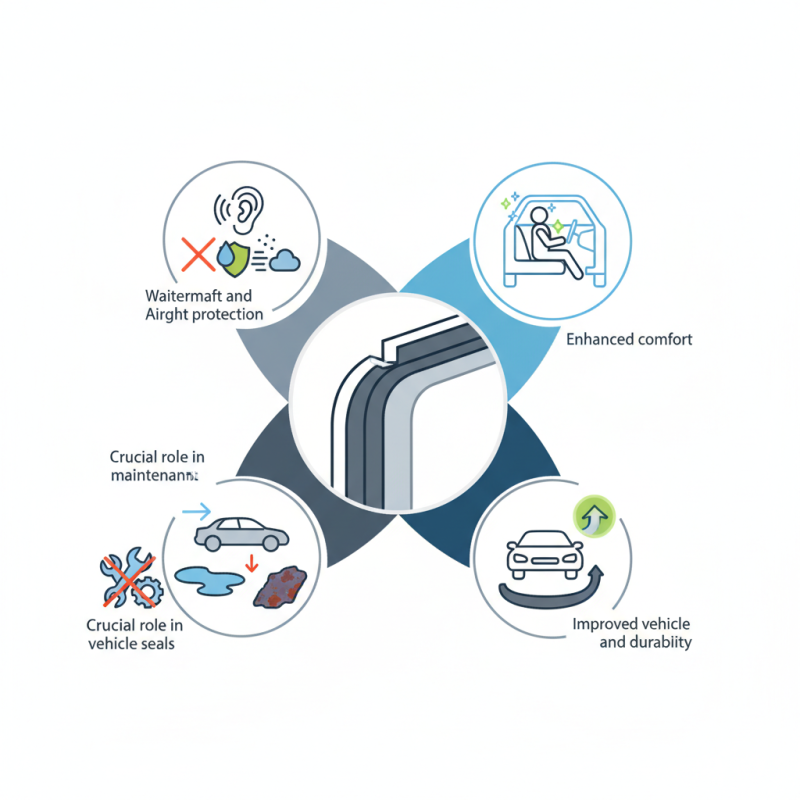
Automotive Door Seals are often overlooked in vehicle design. Yet, they play a crucial role in overall performance. These seals ensure that vehicles remain airtight and watertight. They prevent outside noise, dust, and moisture from entering the cabin, enhancing comfort.
When damaged, Automotive Door Seals can lead to significant issues. For instance, leaks may develop, leading to rust. Noise can disrupt driving, affecting the experience. Drivers might not realize how much these seals impact daily use.
Understanding the function of Automotive Door Seals is essential for vehicle maintenance. Regular inspections can prevent costly repairs. Drivers may consider upgrading to high-quality seals for better durability. It's vital to reflect on how small components can influence vehicle performance significantly.
Importance of Automotive Door Seals in Vehicle Design
Automotive door seals play a crucial role in vehicle design. They contribute significantly to the overall performance of a vehicle. According to a report by MarketsandMarkets, the global automotive sealing market is projected to reach $51.2 billion by 2025. This highlights the increasing recognition of these components in automotive engineering.
Door seals manage noise and vibration. They prevent external sounds from intruding into the cabin. A study showed that vehicles equipped with high-quality seals can reduce interior noise levels by up to 10 decibels. This creates a more pleasant driving experience. Additionally, they help maintain optimal temperature control by minimizing air leaks. Poorly designed seals can lead to significant energy loss, impacting fuel efficiency.
Furthermore, safety is a major concern. Inefficient door seals can lead to water leaks, compromising the vehicle's interior over time. Moreover, they are essential for crash safety. Inadequate sealing can weaken the vehicle's structural integrity in accidents. Hence, investing in sophisticated seal technology is crucial. Adopting advanced materials can enhance the lifespan of door seals, but this often comes with higher production costs. Balancing quality with cost-effectiveness remains a challenge for manufacturers.
Role of Door Seals in Noise Reduction and Comfort
Automotive door seals play a crucial role in enhancing vehicle comfort. These seals help reduce noise, creating a quieter cabin experience. Imagine driving in a car where outside sounds are muffled. It provides a more enjoyable ride. Without effective seals, wind and road noise can infiltrate the vehicle, making every journey uncomfortable.
The effectiveness of door seals is often overlooked. Many people underestimate their importance until they notice a rattle or a whistle while driving. Quality door seals fit snugly, preventing unwanted elements from entering. This leads to a more serene environment. Additionally, they help maintain the interior temperature, making climate control more efficient. However, over time, wear and tear can degrade their performance.
Aging door seals may not create an immediate issue, but problems can arise. Gaps and leaks lead to increased noise and discomfort. Regular checks are essential to ensure they remain effective. Investing in seal maintenance can enhance overall vehicle performance. Understanding their role can lead to improved driving experiences. Often, we take these components for granted, but they significantly affect daily driving.
Impact of Door Seals on Energy Efficiency and Fuel Economy
Automotive door seals play a crucial role in energy efficiency. These seals create a barrier between the outside environment and the interior of the vehicle. This helps maintain the desired temperature inside the cabin, reducing the need for excessive heating or cooling. As a result, your vehicle consumes less energy, leading to improved fuel economy.
Worn or damaged door seals can lead to significant energy loss. When seals fail, outside air can enter the cabin. This causes the heating and cooling system to work harder. Ultimately, this can decrease overall fuel efficiency. Regularly checking the condition of your door seals is vital. Small cracks or gaps can have a big impact.
**Tips:** Inspect door seals for wear often. Look for cracks or deformation. Ensuring a proper seal can enhance efficiency and save money. Clean the seals regularly to prevent dirt build-up. This simple maintenance task can extend the life of your door seals and improve their performance.
Impact of Automotive Door Seals on Vehicle Performance
This chart illustrates the correlation between the effectiveness of automotive door seals and fuel economy. Vehicles with well-sealed doors achieve higher fuel efficiency compared to those with moderate or poor sealing. Proper door seals not only enhance performance but also contribute significantly to energy efficiency.
Durability and Maintenance Considerations for Door Seals
Automotive door seals play a crucial role in vehicle performance, particularly when it comes to durability and maintenance. These seals help prevent water, dust, and noise from entering the cabin. According to industry reports, nearly 70% of consumers complain about cabin noise levels. A proper seal can significantly reduce this issue, enhancing the overall driving experience.
However, the quality of door seals can degrade over time. Environmental factors like UV light and temperature fluctuations can cause material breakdown. A study indicates that defective seals can lead to higher maintenance costs, averaging around 5% of vehicle ownership expenses. Regular inspections are vital. Many car owners overlook the wear and tear of these seals, leading to more significant problems down the line.
Maintenance of door seals is often neglected. Simple checks can prevent costly repairs. Look for cracks or hardening materials. Regularly cleaning seals can also extend their life. Reports suggest that proactive care can improve seal longevity by up to 30%. Awareness of these maintenance practices can improve vehicle performance and reduce future expenses.
Why Are Automotive Door Seals Important for Vehicle Performance? - Durability and Maintenance Considerations for Door Seals
| Aspect |
Description |
Importance for Performance |
Maintenance Tips |
| Water Resistance |
Prevents water ingress into the vehicle interior. |
Enhances comfort and protects electronic components. |
Inspect seals regularly for wear and replace damaged seals. |
| Noise Reduction |
Minimizes external noise intrusion. |
Improves driving experience and cabin serenity. |
Clean seals with mild detergent to maintain flexibility. |
| Dust and Dirt Prevention |
Blocks dust and dirt from entering the vehicle. |
Keeps the interior clean, enhancing overall vehicle aesthetics. |
Inspect for gaps and clean regularly to prevent build-up. |
| Thermal Insulation |
Helps in maintaining the vehicle's interior temperature. |
Improves HVAC efficiency, reducing energy consumption. |
Examine seals for cracks and replace as necessary. |
| Impact Absorption |
Absorbs shocks during door closure. |
Prevent door misalignment and related mechanical issues. |
Ensure seals are in good condition to maximize effectiveness. |