Leave Your Message

7 Hydraulic Seals Buying Tips for Global Buyers?

Hydraulic Seals can look similar in a catalog, yet small differences may decide whether a system stays reliable. For global buyers, choosing a seal means checking more than its price or outside dimensions. Pressure, temperature, fluid type, movement, and installation space all affect performance. A seal suited to a slow-moving cylinder may not work well in a faster application. Small details matter.

Start with the operating conditions. Record the working pressure, temperature range, fluid, and expected motion before requesting quotes. Then confirm the material and profile against those conditions. A rod seal, for example, faces different contact and leakage demands than a static gasket. These basics sound obvious. They are easy to miss when a purchase is rushed.

The next buying decisions involve dimensions, manufacturing tolerances, documentation, supplier capability, sampling, and total cost. Ask how measurements are verified and whether the supplier can provide clear material or inspection records. If possible, test a sample in the actual equipment; a drawing alone cannot show every installation issue. Compare delivery time and replacement availability, too. A low unit price can become costly if seals arrive late or fail early.

This guide offers seven practical checks for comparing Hydraulic Seals suppliers and products. No checklist can replace application-specific engineering review, and some details may need clarification after the first discussion. That is normal. Careful questions, precise specifications, and realistic testing give buyers a stronger basis for their decision.
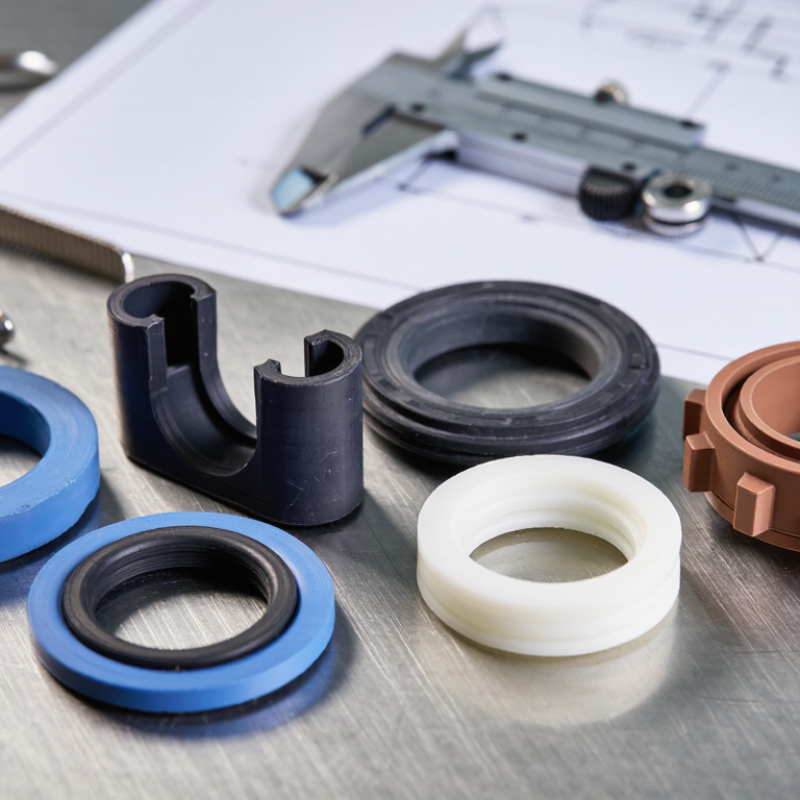
7 Hydraulic Seals Buying Tips for Global Buyers?

Understanding Hydraulic Seal Types and Their Applications

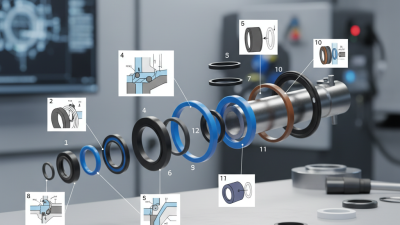
Hydraulic seals are chosen by movement, pressure, fluid, and temperature—not by shape alone. O-rings suit static joints and some low-speed movements, while U-cups and piston seals control leakage in reciprocating cylinders. Rod seals keep pressurized oil inside; wipers scrape dust from the rod as it retracts. Rotary shaft seals serve turning parts, but they are not interchangeable with reciprocating seals. Grand View Research’s Hydraulic Seals Market Size, Share & Trends Analysis Report estimated the global market at about US$3.2 billion in 2023. That scale reflects broad use across mobile machinery, manufacturing equipment, and industrial hydraulics. Fit matters.

Material selection changes with operating conditions. Polyurethane often resists abrasion in mobile cylinders; nitrile rubber is common with mineral oils, while fluorocarbon compounds tolerate higher temperatures. These are useful starting points, not universal rules. ISO 5597 covers dimensions for reciprocating hydraulic seals, and ISO 3601 specifies O-ring dimensions and tolerances. Neither standard alone confirms fluid compatibility or service life. Check the seal groove, pressure peaks, rod finish, and actual fluid before ordering. A seal that fits on paper may still leak after heat, side-load, or contamination. That detail is easy to miss. The right type depends on the machine’s real duty cycle, not just its catalog description.
Defining Pressure, Temperature, Fluid, and Motion Requirements

Before comparing seal materials, write down peak pressure, not just the machine’s normal reading. Pressure spikes during starts, blocked lines, or rapid reversals can push a seal into its clearance gap. Record the maximum pressure, cycle frequency, and whether pressure acts from one side or both. ISO 3601 provides dimensional tolerances for O-rings, but dimensions alone do not establish a safe pressure rating. Back-up rings and tighter clearances may be needed. The awkward part: many equipment sheets omit transient pressure.

Temperature and fluid must be assessed together. A seal that tolerates heat in mineral oil may swell, harden, or lose strength in another fluid. Check the fluid’s exact formulation, additives, and operating temperature range against verified material-compatibility data. Also include cold starts; a seal can stiffen before the system warms. ISO 4406 codes hydraulic-fluid contamination using particle counts at ≥4, ≥6, and ≥14 μm(c). These three figures help buyers specify cleanliness, which affects wear on moving seal surfaces. Motion matters, too: distinguish reciprocating, rotary, and oscillating movement, then provide speed, stroke, and cycle count. Small omissions here are common—and expensive to correct later.

Selecting Seal Materials, Dimensions, and Compatible Designs

Hydraulic seals work only when material, dimensions, and design match the operating conditions. Start with the fluid, temperature range, pressure, and movement speed. Mineral oil, water-glycol fluids, and synthetic fluids can affect elastomers differently. Check the seal material against the fluid supplier’s compatibility data, not just a general material chart. Nitrile may suit some oil systems, while polyurethane can offer strong wear resistance. Neither is right for every application. Small detail, big consequence.

Measure the rod or bore, seal groove, and available clearance from the equipment drawing or the actual component. Record units and tolerances; a nominal diameter alone may hide a poor fit. A seal that is too loose can leak, while one that is compressed too far may wear quickly. I have seen rushed measurements create more uncertainty than the seal itself. It is worth checking twice, especially when replacing an older part with no reliable drawing.

Match the seal profile to its job. A rod seal controls leakage along a moving shaft, while a wiper helps keep dust and moisture out. O-rings may need backup rings where pressure could cause extrusion. Confirm groove dimensions, pressure direction, reciprocating or rotary motion, and installation space before choosing a design. Ask for material data and dimensional drawings, then verify them against the machine’s service conditions. A neat catalogue description is helpful, but it cannot replace a careful fit check.

Checking Supplier Quality, Testing, and International Standards

A hydraulic seal can look flawless on a sample table and still fail after weeks of heat, pressure, and fluid exposure. Ask suppliers how they control incoming elastomers, molding conditions, and finished dimensions. Request batch traceability and material certificates, then check that the documents match the delivered parts. Small details matter: a measured lip diameter, a recorded hardness value, or a production lot number can help explain an early leak.

Testing should reflect the equipment’s actual duty, not just a generic pass result. Ask for test conditions, including pressure, temperature, fluid type, cycle count, and acceptance limits. A brief pressure test may miss wear or swelling over time.

Relevant standards depend on seal design and application; O-rings and reciprocating seals do not necessarily share the same dimensional requirements. Confirm which standard and revision the supplier uses, and verify that its inspection tools are calibrated. A neat certificate is not the same as a dependable seal.

No checklist removes every risk, and supplier responses can be incomplete. That is worth noting. Compare test reports with your own operating conditions, and clarify any gap before approving a purchase.

Comparing Total Cost, Lead Times, Shipping, and After-Sales Support

A low unit price can be misleading when freight, inspection, and replacement costs are added. For hydraulic seals, compare material, dimensions, pressure range, and operating temperature against the actual application. Ask suppliers to itemize tooling charges, minimum quantities, and packaging fees. Downtime is costly. A seal that fails early may erase a small purchase-price saving.

Lead times deserve the same scrutiny. Confirm whether quoted dates cover production, inspection, and dispatch, especially for custom profiles. Check stock availability and ask how delays will be communicated. Shipping affects both cost and condition: seals need clean, protective packaging that prevents dust, moisture, and deformation. Request tracking details and clarify who handles import paperwork. A fast dispatch is not always a fast delivery.

After-sales support matters when a seal leaks or dimensions do not match the drawing. Ask what technical details are needed to investigate a problem, and whether the supplier can review photos, measurements, and operating conditions. Request material data and batch identification where available. Agree on response times, replacement terms, and warranty limits before ordering. A spreadsheet rarely captures every risk; I would still verify critical dimensions on a sample before committing to a large batch.

7 Hydraulic Seals Buying Tips for Global Buyers: Comparing Total Cost, Lead Times, Shipping, and After-Sales Support

Buying Tip What to Compare Typical Planning Benchmark Questions to Ask the Supplier
1. Compare total landed cost Unit price, tooling or setup charges, minimum order quantity, packaging, freight, insurance, duties, taxes, and customs-clearance fees. Total landed cost is the product price plus all costs required to deliver the order to its destination. Import duties and taxes vary by product classification and destination. Can you provide a written quotation showing the delivery term, shipping charges, packaging costs, and any one-time fees?
2. Confirm material and application suitability Seal material, fluid compatibility, temperature range, pressure, speed, surface finish, and exposure to water, chemicals, or abrasive particles. Material suitability depends on the operating fluid and conditions. For example, a compound suitable for mineral oil may not be suitable for every synthetic fluid or chemical. Which material and design do you recommend for the specified fluid, temperature, pressure, and operating conditions? Can you provide a material data sheet?
3. Verify dimensions and tolerances Part drawing, shaft and bore dimensions, groove geometry, tolerances, and whether the seal is a standard size or a custom design. Custom tooling or design approval can add time and cost. A complete drawing and confirmed revision help reduce the risk of fit-related returns. Will you review the drawing before production and confirm the final dimensions, tolerances, and drawing revision in writing?
4. Get a lead-time breakdown Sample approval, material availability, production, inspection, packing, and dispatch dates. As a planning estimate, stocked items may dispatch in a few business days, while custom orders can take several weeks. Actual timing depends on specification, capacity, and material availability. What are the sample, production, and dispatch lead times? When does the quoted lead time begin, and how will delays be communicated?
5. Compare shipping options and delivery terms Air, sea, or courier service; transit time; freight cost; insurance; delivery term; and responsibility for customs clearance. International air shipments commonly take several business days in transit; sea freight commonly takes several weeks port-to-port. Customs processing and final delivery add time. Which delivery term is quoted? Is the estimate port-to-port or door-to-door, and who handles export documents, import clearance, and insurance?
6. Check quality and documentation Inspection criteria, batch traceability, certificates or test reports when applicable, packaging, and procedures for handling nonconforming goods. Documentation should match the order and applicable customer requirements. Certification or testing should be verified for the specific product and shipment rather than assumed. Can you provide inspection records, batch identification, and any required material or conformity documents with the shipment?
7. Agree on after-sales support before ordering Warranty terms, response channel, claim evidence, replacement or credit process, technical assistance, and responsibility for return freight. Warranty coverage and claim deadlines are supplier-specific. Written terms help clarify what is covered and what evidence is needed if a problem occurs. What is the warranty period and claim process? Who pays return or replacement shipping, and what technical support is available after delivery?

Note: Lead-time and transit-time figures are general planning estimates, not guaranteed delivery commitments. Confirm current schedules, charges, import requirements, and product suitability for each order.