How to Choose the Right Hydraulic Seals for Your Application?
Selecting the right hydraulic seals is crucial for optimal machinery performance. According to a report by the International Fluid Power Society, improper sealing can lead to 30% efficiency losses in hydraulic systems. The market for hydraulic seals continues to grow, projected to reach $5 billion by 2025.
Expert Mark J. Thomson, a renowned figure in fluid power solutions, emphasizes, "Choosing the correct hydraulic seals directly impacts equipment reliability." This highlights the importance of understanding your specific application. Different environments and pressures require tailored sealing solutions.
However, many engineers overlook the intricacies of seal selection. They often favor generic options, leading to premature failures or leaks. This can result in costly downtime and repairs. Ensuring compatibility and durability in hydraulic seals is essential for maximizing lifespan and efficiency. Understanding the unique demands of your application is not just helpful; it is necessary for success.

Factors to Consider When Selecting Hydraulic Seals
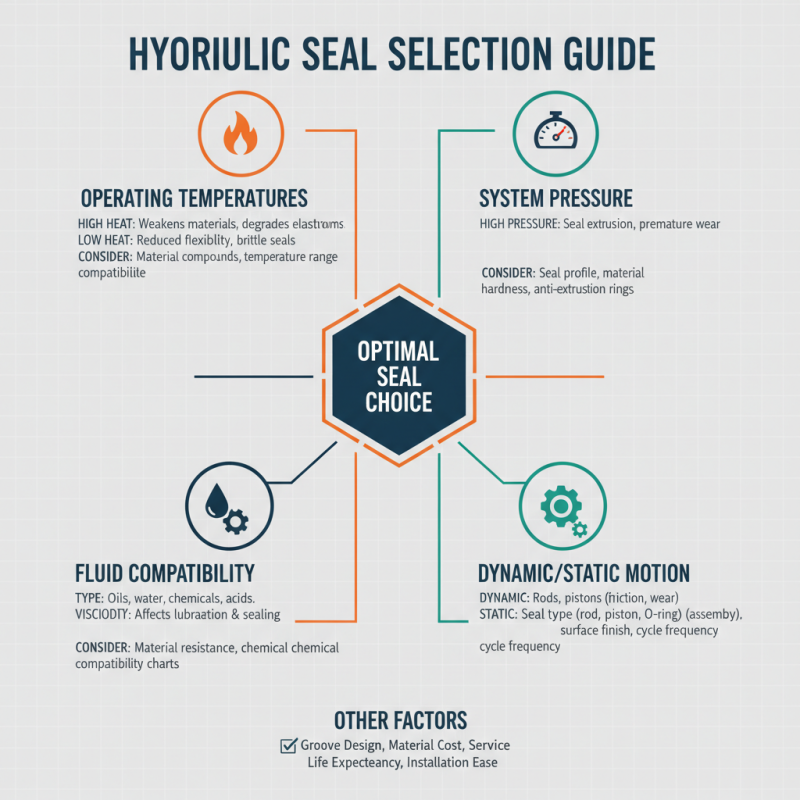
Choosing the right hydraulic seals can be a complex task. Several factors play an essential role in this decision. To start, consider the operating environment. Will the seals be exposed to high temperatures or extreme pressures? Heat can weaken materials, while pressure affects seal performance.
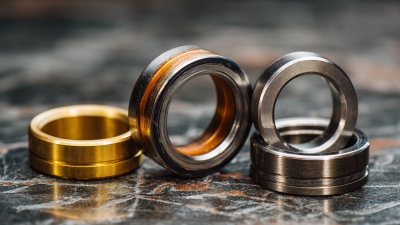
Material selection is crucial. Different materials provide varying levels of resistance to chemicals, abrasion, and wear. Rubber seals might be suitable for some applications, but they can deteriorate quickly in harsh conditions. Metal seals, on the other hand, may last longer but can be more expensive. Testing these materials in real-life scenarios can reveal unexpected weaknesses.
Finally, think about the size and fit. A seal that is too loose or too tight can cause leaks or damage. It's vital to measure accurately and consider production tolerances. Even minor deviations can lead to significant issues down the line. Regular testing and feedback from users in the field can guide adjustments. Balancing all these factors requires thought and sometimes, trial and error.
Types of Hydraulic Seals and Their Applications
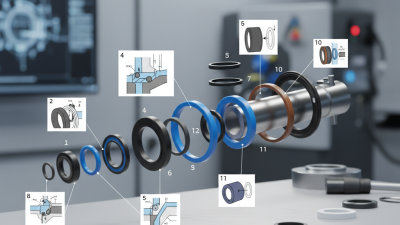
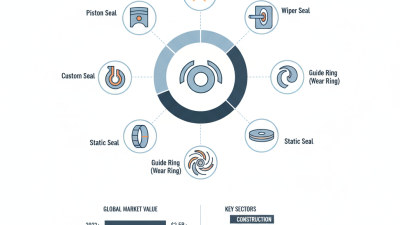
Hydraulic seals play a vital role in ensuring the efficient operation of hydraulic systems. There are several types of hydraulic seals, each designed for specific applications. O-rings are one of the most common types. They provide a good seal for low-pressure applications. However, they may not perform well under extreme temperatures or high pressures. Users must assess the environment before choosing them.
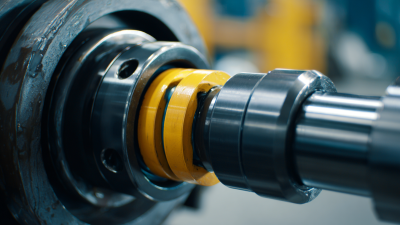
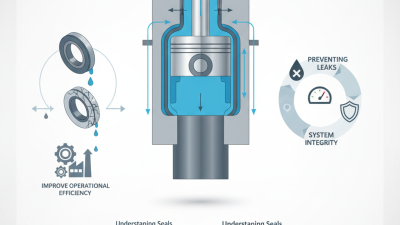
U-cup seals are another option. These seals are ideal for dynamic applications, allowing good movement while maintaining pressure. They are commonly used in hydraulic cylinders. Yet, they can wear out quickly if not selected properly. Another type is the rod seal, designed to prevent leakage in hydraulic pistons. It ensures smooth operation, but the wrong size can lead to premature failure. It’s essential to consider operating conditions carefully.
Choosing the right seal requires a thorough understanding of the application. Factors like pressure, temperature, and media compatibility matter. These details can impact performance. Opting for the wrong seal can lead to costly repairs. Each type has its strengths and weaknesses. Balancing these factors is crucial for optimal performance and longevity. Evaluating the specific needs of each application will help avoid common pitfalls in hydraulic sealing.
Material Options for Hydraulic Seals and Their Properties
When selecting hydraulic seals, material choice is crucial. The right material affects performance and longevity. Common materials include nitrile, polyurethane, and PTFE. Each has distinct properties that cater to specific needs.
Nitrile offers good oil resistance. It is cost-effective and widely used. However, it may not perform well in extreme temperatures.
Polyurethane, on the other hand, provides excellent abrasion resistance. But, it can be less effective in certain chemical environments.
PTFE is known for its high temperature and chemical resistance, but it often comes with a higher price.
Choosing the best material requires consideration of the application. Think about the fluids involved and the temperature range.
Durability and compatibility can significantly impact efficiency. Additionally, overlooking these factors can lead to system failures.
Careful selection could save time and money in the long run.
Keep in mind, the perfect seal may not exist, but understanding material properties is a step toward achieving optimal performance.
Understanding Seal Design and Performance Requirements
Choosing the right hydraulic seals starts with understanding seal design and performance requirements. Different applications necessitate unique seal characteristics. Consider fluid type, pressure, temperature, and medium compatibility. A recent industry report highlights that 70% of seal failures result from improper material selection. This data underscores the importance of rigorous evaluation before choosing seals.
Tip: Always assess environmental conditions. Seals must withstand not only pressure but also exposure to chemicals or extreme temperatures. For example, harsh chemicals can degrade specific materials, leading to premature failures. Furthermore, mechanical factors like installation errors can compromise performance. Even a tiny misalignment can decrease seal lifespan significantly.
Another consideration is the physical design of the seal. Factors such as groove design and seal hardness affect sealing efficiency. According to industry benchmarks, selecting a suitable groove design can enhance seal performance by 30%. However, these optimizations can be challenging to achieve. Often, companies overlook small details, leading to unexpected leaks or failures. Small mistakes in dimensions can result in substantial financial losses. Always prioritize detailed specifications and verification processes.
Maintenance Tips for Prolonging Hydraulic Seal Lifespan
Maintaining hydraulic seals is crucial for performance. Regular inspection helps catch issues early. Look for signs of wear, such as deformation or cracks. Even small defects can lead to bigger problems. Schedule checks frequently. Ignoring minor wear may cost more in the long run.
Choosing the right lubricant is essential. Use the manufacturer's recommendations as a guide. Not all lubricants suit every application. Inappropriate choices can accelerate seal degradation. A clean environment matters too. Dirt and contaminants can damage seals rapidly. Always keep the working area tidy.
Temperature control is often overlooked. Hydraulics can generate heat, affecting seal integrity. Monitor operating temperatures closely. If temperatures spike, consider improving cooling methods. This adjustment might prolong seal life. Remember, over-tightening seals can also cause issues. A balanced approach is key to effective maintenance.
How to Choose the Right Hydraulic Seals for Your Application?
| Seal Type |
Application |
Material |
Temperature Range (°C) |
Pressure Rating (bar) |
| O-Ring |
Static Sealing |
Nitrile Rubber |
-40 to 100 |
50 |
| U-Cup |
Dynamic Sealing |
Polyurethane |
-30 to 80 |
250 |
| Rotary Seal |
Rotary Applications |
PTFE |
-60 to 200 |
100 |
| Backup Ring |
High Pressure Applications |
Nitrile |
-40 to 120 |
400 |
| Piston Seal |
Piston Movements |
HNBR |
-30 to 150 |
300 |