How to Choose the Best Pneumatic Seals for Your Project?
Choosing the right pneumatic seals for your project is crucial. According to industry expert John Smith, “Selecting quality pneumatic seals can significantly impact system efficiency.” This insight highlights the importance of understanding your specific needs.
Pneumatic seals serve vital roles in various applications. They prevent leaks and ensure the effective operation of machinery. However, with countless options available, the selection process can be overwhelming. Misunderstanding dimensions or material compatibility can lead to costly failures.
It's essential to evaluate performance requirements. Factors such as pressure, temperature, and the type of fluid involved play critical roles. A common mistake is overestimating the durability of a seal without considering its environment. Inadequate research may result in choosing a seal that doesn't meet project demands. Ultimately, effective decision-making comes down to knowing both the product and its application.
Understanding Pneumatic Seals: Types and Applications in Industries
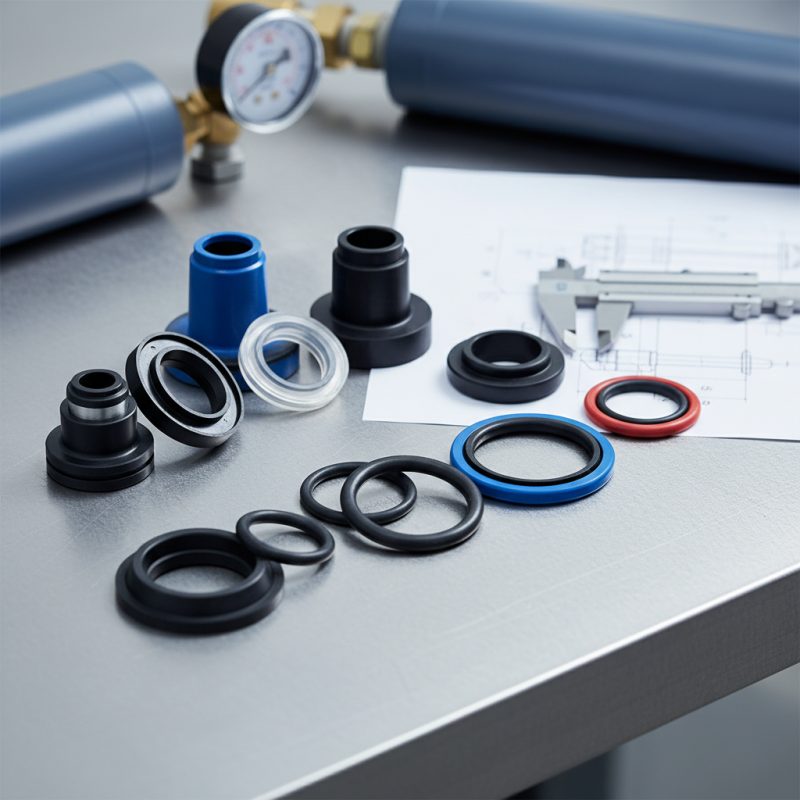
Pneumatic seals play a crucial role in various industries. They are essential for maintaining pressure and preventing leaks in pneumatic systems. Different types of seals serve different purposes. For instance, O-rings are commonly used due to their simplicity and effectiveness. According to a market report, the global pneumatic seals market is expected to reach $7 billion by 2025, indicating significant industry growth.
In the automotive sector, pneumatic seals ensure that air and fluids do not escape from engines or gearboxes. The use of high-performance materials, such as fluoropolymers, has increased in recent years. These materials withstand extreme temperatures and pressures. However, improper selection can lead to seal failure. In some cases, the wrong size or type of seal can cause system inefficiencies.
Manufacturing industries also rely heavily on pneumatic seals for equipment durability. Seals must fit precisely. A small gap can lead to costly downtime. Research suggests that a 10% leak in a pneumatic system can reduce efficiency by up to 30%. Choosing the right seal involves understanding both application requirements and the operational environment. Each project can reveal hidden challenges, emphasizing the importance of thorough analysis.
How to Choose the Best Pneumatic Seals for Your Project?
| Seal Type |
Material |
Temperature Range (°C) |
Pressure Range (Bar) |
Applications |
| O-Ring Seals |
Nitrile Rubber |
-30 to 100 |
0 to 30 |
Hydraulic systems, pneumatic cylinders |
| U-Cup Seals |
Polyurethane |
-40 to 80 |
0 to 25 |
Pneumatic cylinders, linear actuators |
| V-Rings |
EPDM |
-20 to 100 |
0 to 10 |
Rotary applications, light-duty applications |
| Bellows Seals |
Silicone |
-50 to 150 |
0 to 15 |
Dust protection, flexible joints |
| Flat Seals |
PTFE |
-200 to 260 |
0 to 20 |
Chemical resistance, high-temperature applications |
Key Factors to Consider When Selecting Pneumatic Seals for Projects
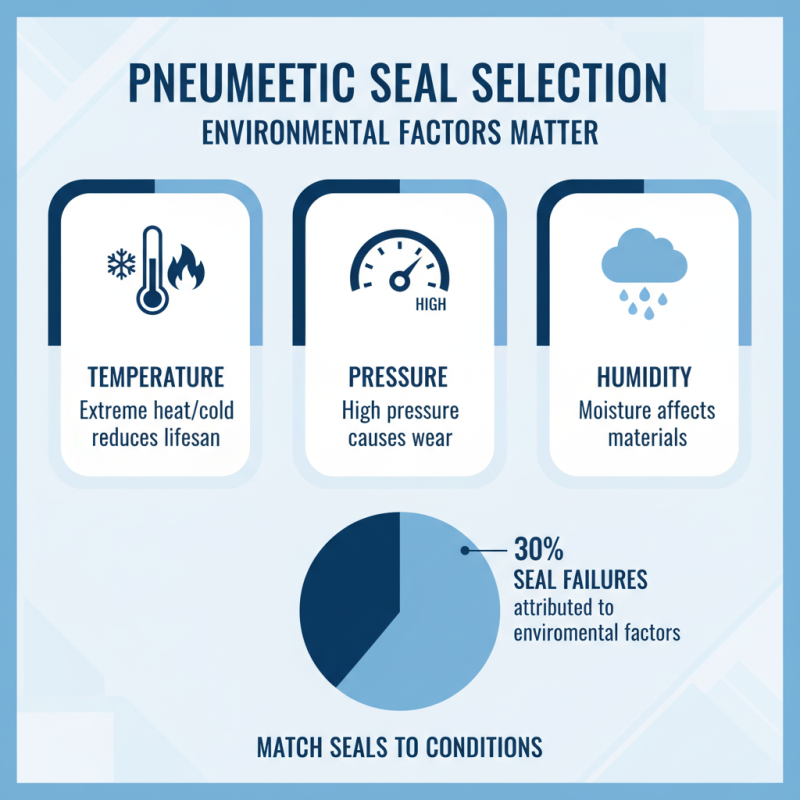
When selecting pneumatic seals, consider the operating environment. Temperature, pressure, and humidity can greatly affect seal performance. For instance, seals operating in extreme temperatures can wear out faster. According to a recent industry report, 30% of seal failures are attributed to environmental factors. This highlights the importance of matching seals to the specific conditions of your project.
Material choice is another crucial factor. Different materials offer varying resistance to chemicals and abrasion. For example, polyurethane seals are often chosen for their durability, while silicone seals excel in temperature extremes. A study shows that using the wrong material can decrease seal life by up to 50%. It's essential to assess the compatibility of seal materials with the substances they will encounter.
Additionally, the design of the seal should align with the application requirements. Some designs may provide better leakage control, while others may offer durability at high speeds. According to industry insights, improper design accounts for 20% of seal-related failures. It’s vital to evaluate these parameters carefully to ensure optimal performance in your project.
Material Selection for Pneumatic Seals: Durability and Compatibility
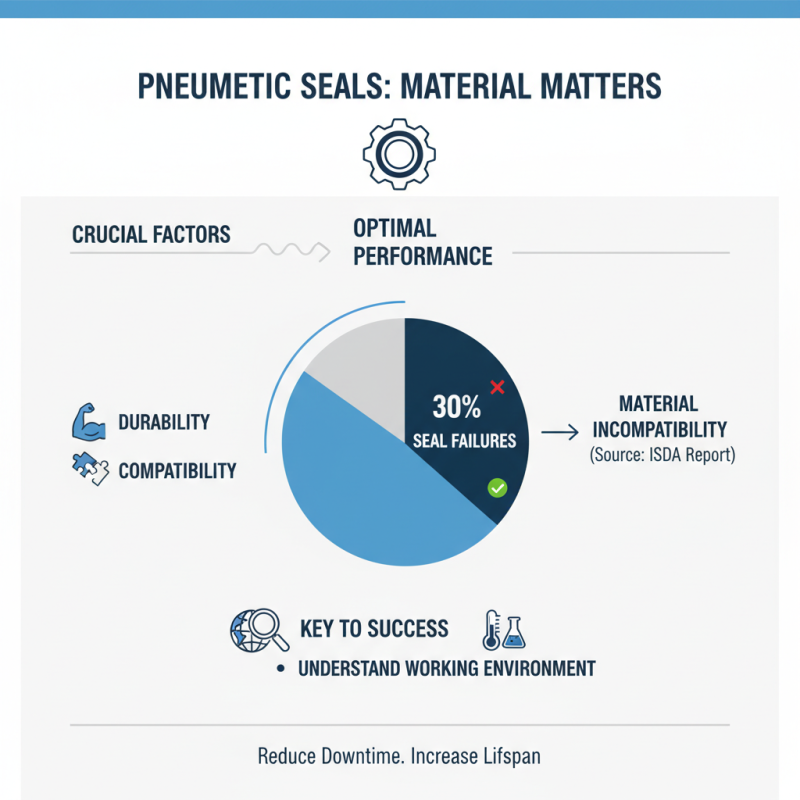
Choosing the right material for pneumatic seals is crucial. Durability and compatibility play major roles in ensuring optimal performance. According to a report from the International Sealing Distribution Association, approximately 30% of seal failures relate to material incompatibility. This highlights the importance of understanding the working environment.
Materials like nitrile rubber are often selected for their oil resistance, yet they may not withstand extreme temperatures. In contrast, fluorocarbon seals offer thermal stability but can be less flexible. A study suggests that while fluorocarbon seals are durable, they can be brittle under specific conditions. Awareness of these traits is vital for effective application.
Compatibility with fluids is an essential factor. Many engineers overlook the chemical interactions that can degrade seal materials. For instance, using polyurethane in an application with ester-based fluids can lead to premature failure. Data from the Fluid Power Journal indicates that the right choice can extend life expectancy by up to 50%. This underscores the need for careful evaluation of environment and materials.
Evaluating Seal Performance: Pressure, Temperature, and Wear Resistance
Selecting the right pneumatic seals involves understanding their performance under varying conditions.
Pressure is a critical factor. Most seals are rated for specific pressure ranges.
Exceeding this limit can lead to premature failure. Reports indicate that about 30% of seal failures stem from pressure overload.
Evaluating your project’s maximum pressure is essential.
Temperature considerations can’t be overlooked. Seals may perform poorly if temperatures exceed their tolerance.
Some materials can withstand high temperatures, while others cannot. For instance, elastomers may degrade above 120°C,
compromising their functionality. The right material choice is crucial for ensuring long-term reliability.
Wear resistance is another pivotal aspect. Seals can wear down due to friction and environmental factors.
Research shows that seals with better wear resistance can last 50% longer in harsh conditions.
However, not all materials offer the same durability. Selecting the best option requires careful analysis of the operation environment and potential wear factors.
Making informed choices is vital for optimizing seal performance.
Cost-Benefit Analysis of Different Pneumatic Seal Options
When evaluating different pneumatic seal options, a cost-benefit analysis is crucial. Begin by assessing the material types available. Various materials can impact the performance and longevity of seals. For instance, rubber and polyurethane offer flexibility, while metal seals provide strength. However, the initial cost of metal can deter some projects. Balance the durability with the project budget.
Another factor to consider is the intended application. High-pressure environments demand robust seals. In contrast, lighter applications may benefit from less expensive options. Sometimes, the cheapest seal fails sooner, leading to unexpected costs. Think about replacement cycles and potential downtimes. Saving upfront can result in higher long-term expenses.
It's important to reflect on maintenance requirements as well. Some seals need regular inspections and replacements. This adds to the overall cost. Determine what fits best with your project needs. Not every choice will be perfect. Sometimes, a compromise is necessary between cost and performance. Assessing all these factors holistically can lead to more informed decisions.