How to Choose the Right Double Lip Oil Seal for Your Needs?
Choosing the right Double Lip Oil Seal is crucial for optimal machinery performance. According to a report by the International Society of Automation, improper seal selection can lead to a 30% increase in operational failure rates. This statistic highlights the importance of making informed decisions in the selection process.
Expert engineer John Smith emphasizes, "The right Double Lip Oil Seal can dramatically reduce downtime and maintenance costs." Understanding the specific requirements of your application enables you to select a seal that better withstands pressure and temperature variations. Each environment poses unique challenges, and overlooking these details can result in costly early failures.
It's common to underestimate the impact of poor seal selection. While many may think any seal will suffice, the wrong choice often leads to leaks and equipment damage. Reflect on your current seals and consider if they meet industrial performance standards. Choosing a high-quality Double Lip Oil Seal is not just preferred; it’s essential for long-term success.
Understanding Double Lip Oil Seals: Basics and Functions
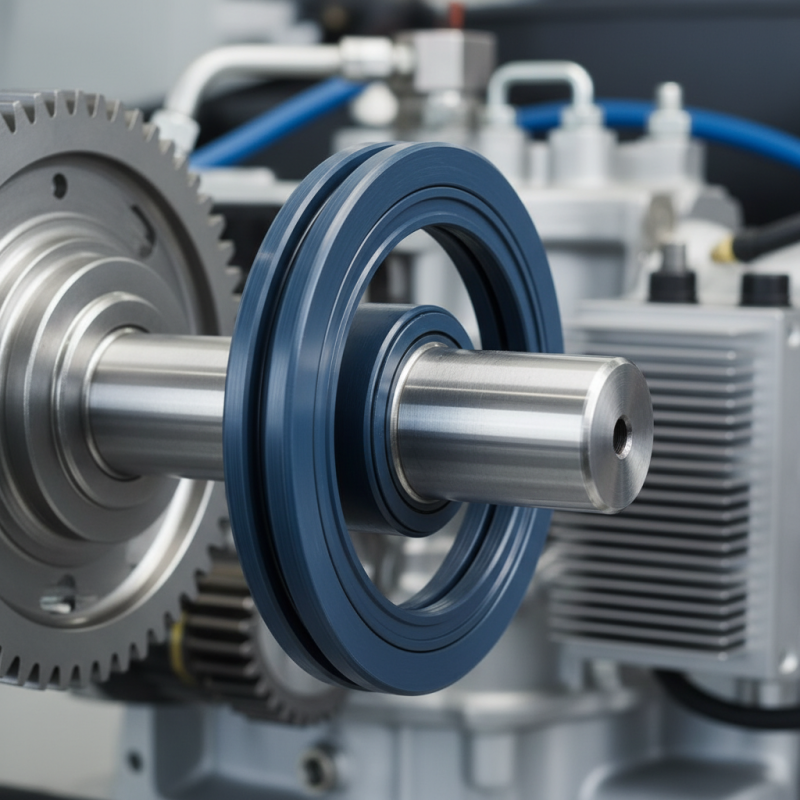
Double lip oil seals play a vital role within machinery. They prevent lubricant leakage and protect against contaminants. Understanding how they work helps ensure optimal use. A double lip design enhances sealing efficiency. This structure reduces wear and increases durability. The two lips create a barrier, allowing for better grease retention.
These seals are commonly used in rotating equipment, like motors and pumps. They keep oils in and dirt out. Choosing the right material is crucial. Options include rubber, silicone, and other polymers. Each material has unique properties. Think about the temperature and chemical exposure your application requires. Making a wrong choice here can lead to costly failures.
Sometimes, users overlook the importance of installation. improper fitting can reduce effectiveness. Always ensure a clean and smooth surface before installing. Pay attention to the seal's orientation, as this impacts performance. Many may forget to check the shaft for wear or damage. Such details should not be underestimated. Oversights can result in premature failures or leaks over time.
Evaluating Material Options for Double Lip Oil Seals
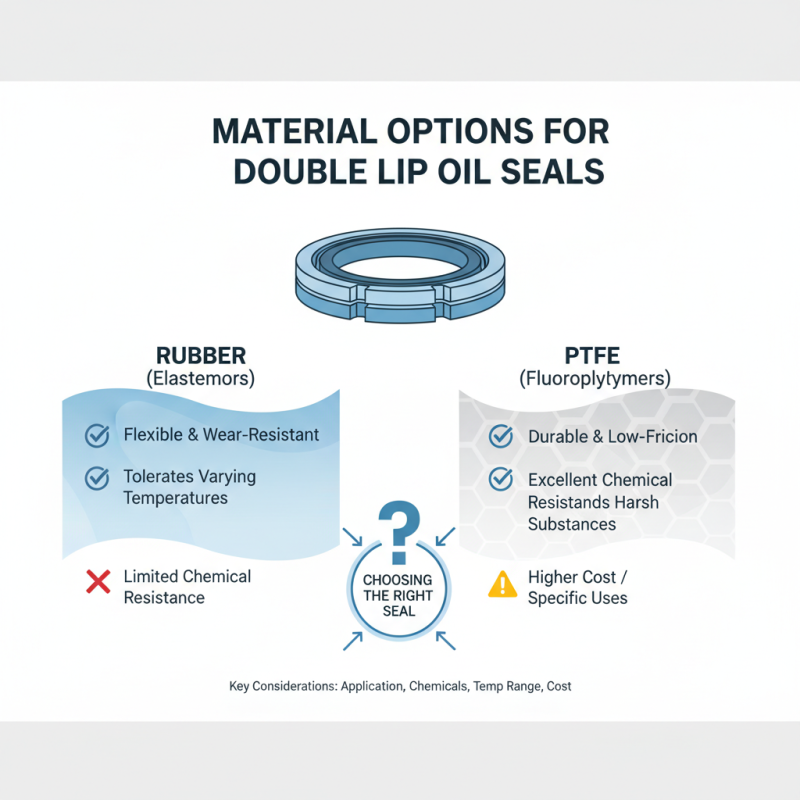
When choosing a double lip oil seal, material selection is crucial. Different materials offer unique characteristics. For example, rubber is flexible and resistant to wear. It can handle varying temperatures, making it a popular choice. However, rubber may not withstand certain chemicals. In those cases, materials like PTFE can be better. PTFE is durable and resistant to many harsh substances.
Another option is polyurethane. It combines flexibility and toughness. But, its performance can be affected by UV exposure. This raises questions about outdoor applications. Selecting the right material requires consideration of your specific needs. What environment will the seal operate in? What fluids will it encounter?
Sometimes, a mix of materials might be necessary. A hybrid seal can offer improved performance in challenging situations. Yet, complexity can lead to unexpected issues. Balancing factors like cost, durability, and compatibility is not easy. You might find it helpful to test different materials in actual conditions. This hands-on approach can reveal strengths and weaknesses you didn’t foresee.
Determining Size and Specifications for Your Application
Choosing the right double lip oil seal starts with understanding your application's size and specifications. Measurements are critical. A study by the Fluid Sealing Association indicates that improper sizing can lead to nearly a 30% decrease in efficiency. Ensure you measure the shaft diameter accurately. This is often overlooked. A simple caliper can provide precision.
When selecting a seal, consider the operational environment. Factors like temperature, pressure, and fluid type play a significant role. The Society of Tribologists and Lubrication Engineers suggests that temperature fluctuations can affect seal performance by up to 15%. You should evaluate all these elements before making a decision.
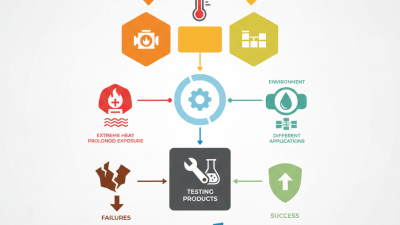
Tip: Always draft a checklist of required specifications and measure all dimensions at least twice. In cases where seals might be subjected to extreme conditions, testing prototypes can uncover weaknesses. This proactive step can save costs and time later. Investing effort in this phase can significantly enhance performance and reliability. Reflect on previous experiences. Did you overlook certain factors that led to failure? Learning from past mistakes is invaluable in seal selection.
Exploring Different Designs of Double Lip Oil Seals
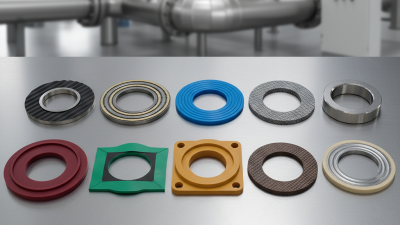
When choosing a double lip oil seal, the design plays a crucial role. Understanding the different designs can help you select the right one for your machinery. There are various styles of double lip seals. Some have a molded rubber design, while others may feature metal reinforcing. Each offers unique advantages and drawbacks.
Tips: Consider the specific application. High-speed machinery may need a seal with better stability. Temperature fluctuations can influence material choice. Low temperatures may harden the rubber, making it less effective.
The dimensions are equally important. Ensure the seal fits precisely into the intended groove. An ill-fitting seal can lead to leaks and failures. Regular maintenance checks can help monitor the seal's condition. Watch for signs of wear or deterioration.
Tips: Don't overlook the installation process. Proper alignment is key to seal longevity. A poorly installed seal can negate its benefits. Review installation guidelines carefully. Seek help if unsure about the process.
Common Applications and Industry Standards for Oil Seals
Oil seals play a critical role in various industries. They are designed to prevent leaks in rotating shafts. Common applications include automotive, aerospace, and manufacturing. According to a recent report by Grand View Research, the global oil seal market size was valued at approximately $3.4 billion in 2022, showing steady growth. This growth reflects the increasing demand for efficient sealing solutions.
Different industry standards dictate the types of seals used in each application. For example, automotive oil seals must meet specific durability standards. These seals often operate in harsh conditions, exposed to dirt and temperature extremes. The American Society for Testing and Materials (ASTM) sets benchmarks for material quality. A seal that does not meet these standards can lead to catastrophic failures.
Consider the material of the oil seal. Rubber, thermoplastic, and metal seals are among common options. The seal type impacts its performance and longevity. For example, Nitrile rubber is known for its resilience against oils. However, it may not withstand high temperatures as well as fluorocarbon alternatives. Evaluating the operating environment is essential. Choices must be tailored to meet specific operational needs. There’s no one-size-fits-all solution. An ill-suited seal could cause significant downtime.