Leave Your Message

How to Choose the Right Mechanical Seals for Your Needs?

Choosing the right mechanical seals can be challenging. Mechanical seals play a crucial role in various industrial applications. They prevent leakage and protect machinery from damage. Selecting the correct seal is essential for efficiency and safety.

Understanding your specific needs is vital. Each application may have unique requirements. Factors like temperature, pressure, and fluid type will influence your decision. You might overlook these details, but they are significant for your operations.

Many people underestimate the importance of quality. A poor choice can lead to failures and increased costs. Prioritize reliability and durability when selecting mechanical seals. Consulting with experts can provide valuable insights. Their experience can guide you in making informed decisions.
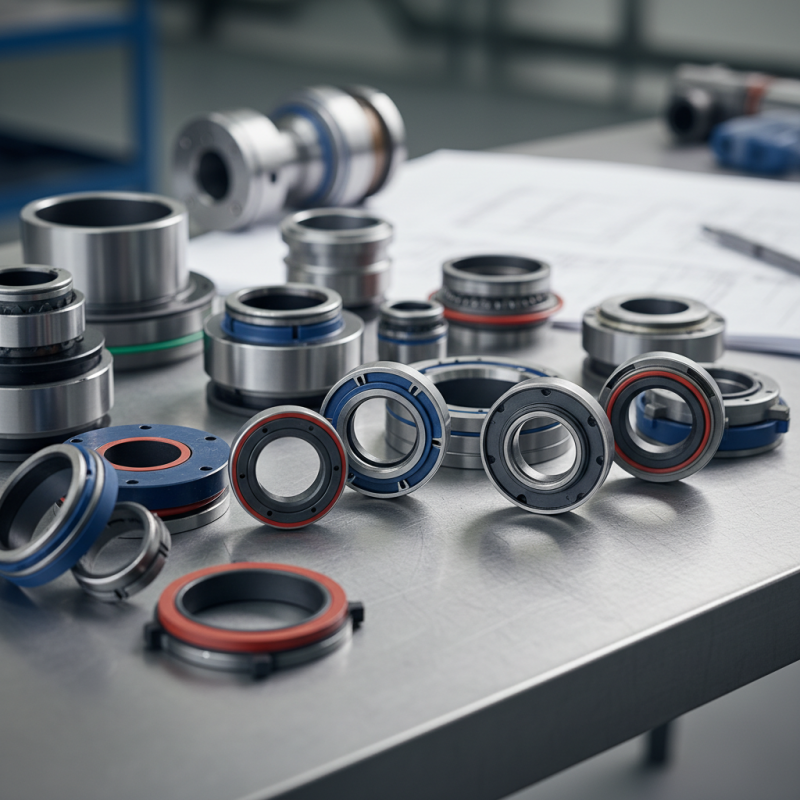
How to Choose the Right Mechanical Seals for Your Needs?

Understanding Mechanical Seals: Types and Key Functions

Mechanical seals play a crucial role in various industries. They ensure the containment of liquids and gases. Understanding the different types of mechanical seals is essential for optimal performance. Common types include single, double, and cartridge seals. Each serves a unique function and is suited for specific applications.

Single seals are straightforward and typically used in non-hazardous environments. Double seals are designed for more extreme conditions, offering an extra layer of protection. Cartridge seals combine multiple elements into one assembly, simplifying installation. Knowing the specific requirements of your application is vital when selecting a seal type.

Many users overlook material compatibility. Different environments require different materials. For instance, corrosive substances necessitate a seal made from resistant materials. Reflecting on installation practices is equally important. Improper installation can lead to premature failures. Taking time to evaluate these factors can enhance reliability and reduce maintenance costs.
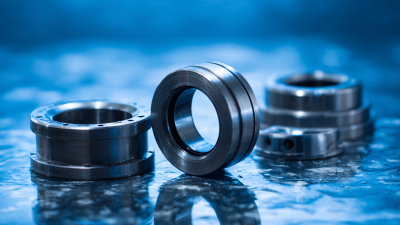
Evaluating Material Compatibility: Factors to Consider in Seals

How to Choose the Right Mechanical Seals for Your Needs?

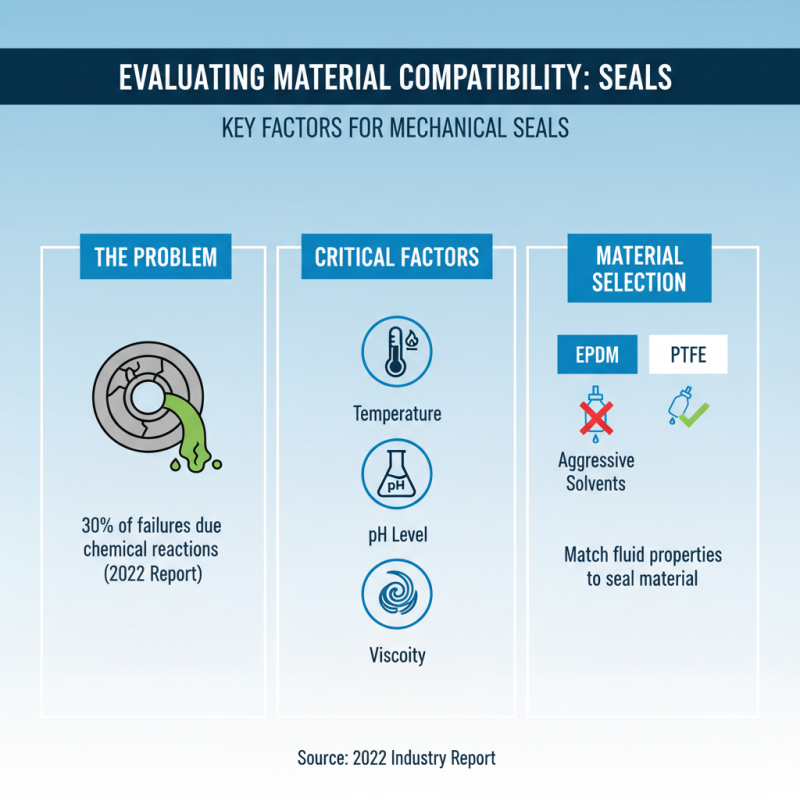
When evaluating mechanical seals, material compatibility is a critical factor. Different fluids interact uniquely with seal materials. According to a 2022 industry report, approximately 30% of mechanical seal failures result from adverse chemical interactions. Consider the fluid’s pH level, temperature, and viscosity before making a selection. For example, a seal made from EPDM may not withstand aggressive solvents, while a PTFE seal performs better under those conditions.

Tips: Always test materials in controlled environments. This helps avoid costly failures later.

Another important factor is the operating temperature. Mechanical seals have specific temperature ratings. If the operating temperature exceeds the material’s limit, loss of functionality occurs. Inadequate thermal performance can lead to catastrophic failures, impacting equipment longevity and productivity. A 2023 survey showed that 25% of operators overlook this aspect, leading to unexpected downtime.

Tips: Keep a detailed temperature log for each application. This provides valuable insights into seal performance over time.

Finally, mechanical seals are often subject to wear and tear. Understand the medium being sealed. This knowledge guides the selection of the correct materials, enhancing reliability. Keep in mind that not all seals are universal. Regularly review performance data and user feedback to refine seal choices.

The Role of Pressure and Temperature Ratings in Seal Selection

When selecting mechanical seals, understanding pressure and temperature ratings is crucial. These ratings determine the seal's ability to function effectively under specific operating conditions. A seal designed for high pressure may not perform well at elevated temperatures, leading to premature failure. Each material used in seals has its thermal and pressure limits, so know these details before making a choice.

Tips: Always consult with manufacturers for accurate pressure and temperature specifications. Check material compatibility with your fluids. This can prevent costly mistakes.

Pressure ratings indicate the maximum pressure the seal can withstand. Exceeding this limit can result in leaks or catastrophic failures. Additionally, consider temperature ratings carefully. High temperatures can degrade seal materials, affecting performance. Testing seals in your unique application conditions is essential, but some challenges may arise due to environmental factors or unanticipated pressures.

Tips: Use a pressure gauge to monitor operating conditions. Regular maintenance checks can identify potential seal issues before they escalate.

Assessing Application Specifics: Fluid Type and Flow Conditions

When choosing mechanical seals, understanding the specifics of your application is crucial. The type of fluid being sealed can significantly impact the seal's performance. For instance, aggressive fluids may require seals made from specialized materials. According to a report by the Fluid Sealing Association, improper material selection can lead to failure rates exceeding 30%. These failures can result in costly downtime and repairs.

Flow conditions, such as pressure and temperature, also play a vital role in seal choice. High-pressure applications often need robust sealing solutions to withstand forces that can cause leakage. Inadequate pressure ratings can lead to catastrophic failures. A study from the American Society of Mechanical Engineers suggests that seals in high-flow conditions experience higher wear rates. This data emphasizes the need for careful assessment.

Field testing shows that even slight variations in flow can lead to unexpected challenges. Many engineers overlook these factors during the selection process. Assessing both the fluid type and flow conditions can prove beneficial. The right mechanical seal can enhance system reliability, while an ill-suited one increases the risk of leaks and equipment damage. Balancing these details is essential for making informed decisions in seal selection.

How to Choose the Right Mechanical Seals for Your Needs?

Application Fluid Type Temperature Range (°C) Pressure Range (bar) Recommended Seal Type
Water Pump Water 0 - 80 1 - 5 Single Seal
Chemical Mixer Acids -10 - 100 0 - 10 Double Seal
Oil Refinery Crude Oil 20 - 150 1 - 15 Mechanical Seal with Barrier Fluid
Food Processing Edible Oils 0 - 90 0 - 5 Hygienic Seal
Pharmaceutical Solvents 10 - 100 0 - 8 Single or Double Seals

Maintenance and Longevity: Ensuring Optimal Seal Performance

Mechanical seals play a critical role in various applications, ensuring fluid containment. However, their performance relies heavily on proper maintenance and design. Regular inspection is vital. Small leaks can lead to significant operational issues. The impact of neglecting minor problems can escalate over time, resulting in costly repairs. Even seemingly minor wear can affect seal efficiency.

To maximize longevity, it's essential to monitor environmental conditions. High temperatures and corrosive substances can degrade seal materials. Operators should assess compatibility with the fluid being sealed. Inadequate assessments can lead to premature failures. Understand the sealing surface condition as well. A rough surface can cause friction issues, leading to wear.

Training staff on proper installation techniques is often overlooked. Poorly installed seals perform poorly and may rapidly fail. Evaluating the service conditions regularly can catch issues early. Operational changes can affect seal performance. Regularly reviewing and adjusting maintenance practices will enhance reliability. Always keep an eye out for signs of wear. Encourage open communication among maintenance teams regarding challenges faced. This can foster a culture of proactive maintenance.

Mechanical Seal Performance Analysis

This bar chart illustrates the various factors affecting the longevity and performance of mechanical seals, including material quality, installation accuracy, operating temperature, pressure resistance, and maintenance frequency. Each factor's impact is expressed as a percentage, highlighting the importance of each in ensuring optimal seal operation.