How to Choose High Temp Gasket Sealant for Your Project?
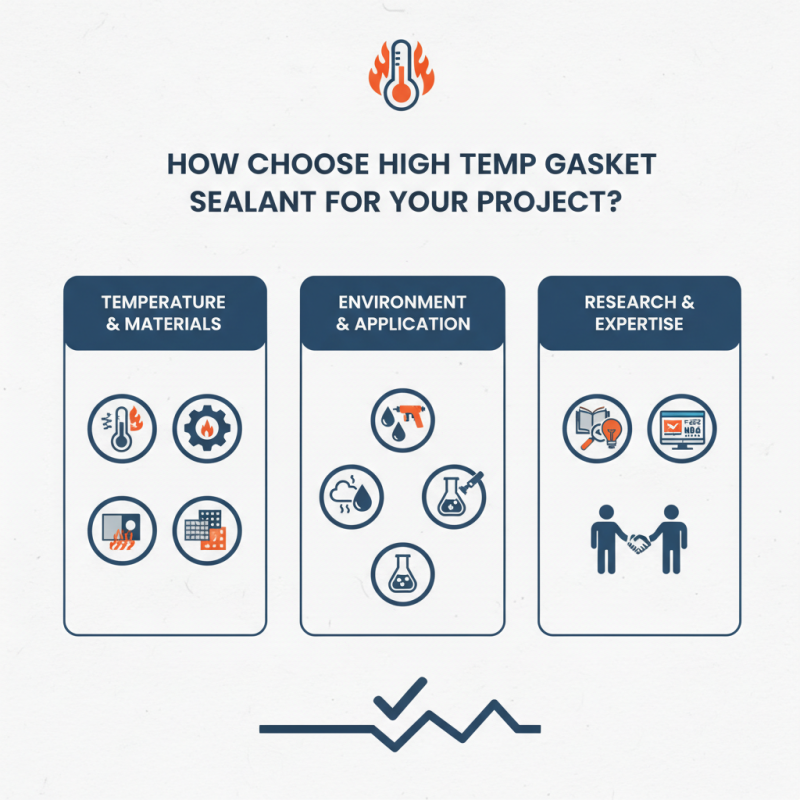
Choosing the right High Temp Gasket Sealant can significantly impact your project’s success. Many factors influence this choice, including temperature requirements, material compatibility, and application method. It’s essential to understand the specific needs of your project before making a decision.
Many sealants claim to withstand high temperatures, but not all meet rigorous performance standards. Poor selection can lead to leaks or failures. Always consider the environment where the gasket will be used. If it’s exposed to steam, oil, or chemicals, a specialized sealant is necessary.
Conducting thorough research is crucial. Consulting expert resources and product specifications can guide your choice. Don't hesitate to seek advice from professionals. They often provide insights based on real-world experiences. Choosing a High Temp Gasket Sealant is not just about surface-level features. It requires careful consideration to ensure reliability in demanding conditions.
Understanding High Temperature Gasket Sealants and Their Applications
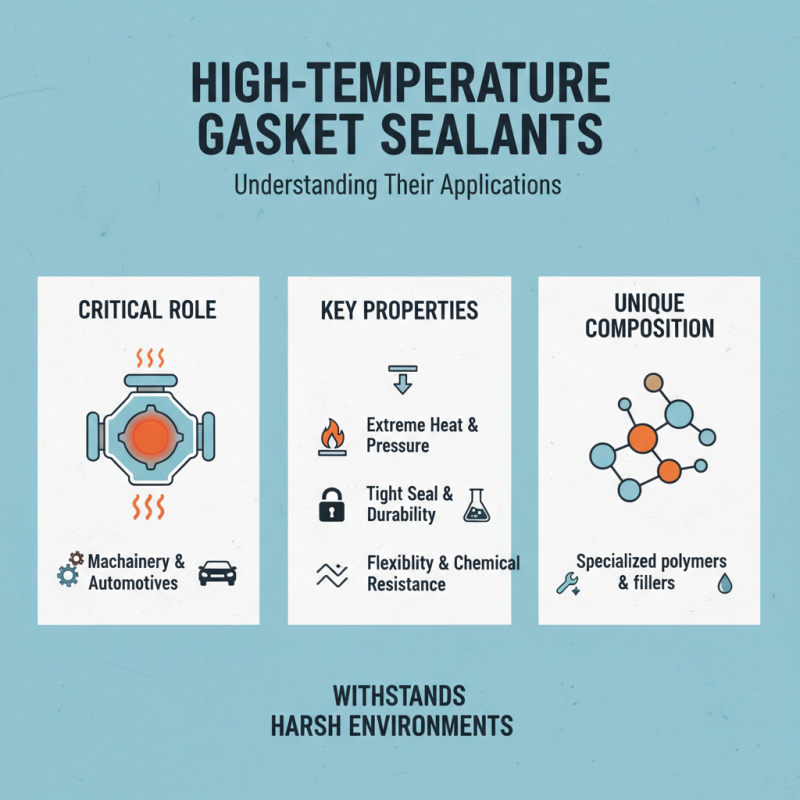
High-temperature gasket sealants play a critical role in various applications, especially in machinery and automotive industries. These sealants withstand extreme heat and pressure while maintaining a tight seal. Their unique chemical composition ensures durability, flexibility, and resistance to difficult environments.
Choosing the right high-temp gasket sealant can be complex. Factors to consider include temperature tolerance, chemical exposure, and the materials involved. Not all sealants perform well under the same conditions. For instance, some may excel in high thermal environments but fail in chemical resistance. Real-life applications often highlight these discrepancies. A sealant that works for one project may not suit another.
Furthermore, proper application is essential for effectiveness. Surface preparation, curing time, and thickness all influence the sealant's performance. It’s not uncommon for users to overlook these steps, leading to failures. Learning from these experiences can improve future projects. Each application teaches valuable lessons about material selection and methodology. As you explore high-temperature gasket sealants, consider where mistakes might happen. Adjustments can make all the difference in achieving a reliable seal.
Factors to Consider When Selecting High Temp Gasket Sealants
When selecting a high-temperature gasket sealant, consider the operating environment. High heat, pressure, and exposure to chemicals can affect performance. Know the specific conditions of your project to choose an appropriate sealant. Look for temperature ratings and resistance to specific chemicals.
Another crucial factor is material compatibility. Ensure that the sealant works with the surfaces it will bond. Different materials react differently to sealants, which can lead to failure if not matched correctly. Testing small areas can provide valuable insights. Seek expert advice when in doubt; it can save time and costs associated with potential failures.
Evaluate curing time and application method. Some sealants cure quickly, while others require longer periods. In high-pressure applications, a fast cure can be essential. The way you apply the sealant also matters. Some may need specific tools or conditions for optimal performance. Adjusting your approach may yield better results, especially in challenging projects.
Types of High Temp Gasket Sealants Available on the Market
When selecting high-temperature gasket sealants, understanding the types available is crucial. Various options cater to different applications and temperature ranges. Silicone-based sealants are common due to their flexibility and resistance to extreme heat. They perform well in automotive and industrial applications.
Another option is anaerobic sealants, which cure in the absence of air. They are ideal for metal-to-metal sealing and can withstand high pressures. These sealants are often used in situations where mechanical bonding is essential.
Tips: Always consider the specific temperature and pressure of your project. Do not overlook the material compatibility. It can save you time and resources in the long run.
Additionally, there are graphite and ceramic-based sealants. These can endure even higher temperatures, suitable for extreme environments. However, they may require surface preparation for effective adhesion.
Tips: Test a small area before full application. This helps to confirm compatibility with surfaces. Don't rush this step; it can prevent future issues.
High Temp Gasket Sealant Types - Performance Comparison
Installation Tips for High Temp Gasket Sealants
When installing high temp gasket sealants, preparation is vital. Clean the surface thoroughly before application. Use a solvent or cleaner to remove any grease, oil, or old sealant. A smooth, clean surface ensures a better bond. It might be tempting to skip this step; however, it can lead to leaks later on.
Apply the sealant evenly. Use a caulking gun for controlled dispensing. Ensure the sealant fills all gaps and creates a uniform layer. Too little can cause failure, while too much can create excess that squeezes out. Pay careful attention to the edges; they should be well-sealed. This part often reflects in the longevity of your project.
After application, give the sealant sufficient time to cure. Understand the curing time for the specific product you are using. Many people overlook this step, but patience is essential. Rushing to reassemble parts can compromise the seal, leading to future issues. Reflect on the process and double-check your work before moving forward. The details matter greatly.
Maintenance and Safety Considerations for High Temp Gasket Sealants
When working with high-temperature gasket sealants, maintenance and safety are crucial factors. High-temp sealants often withstand extreme conditions, but improper handling can lead to safety issues. For instance, research from the National Institute for Occupational Safety and Health (NIOSH) indicates that exposure to fumes from certain sealants can irritate respiratory systems. Proper ventilation and protective gear are essential during application.
Gasket sealants can degrade under intense heat. The American Society for Testing and Materials (ASTM) highlights that most sealants have a temperature threshold between 500°F and 600°F. Exceeding these limits can lead to material breakdown. Regular inspection of sealed joints is important. Look for signs of wear or failure to ensure ongoing reliability. Documenting these observations can provide essential data for future projects, enabling better material choices.
It’s vital to train workers properly. Some statistics show that nearly 30% of industrial accidents involve improper use of sealants. Miscommunication during the application process can amplify these risks. Encourage open dialogue about safety practices and experiences among your team. Additionally, consider revisiting safety protocols regularly to ensure that they remain effective and relevant. Adaptation is key to maintaining a safe work environment.