How to Choose the Best Angle Grinder Disc for Metal Work?
Choosing the right angle grinder disc is crucial for effective metal work. According to industry expert John Smith, "The right disc determines efficiency and quality." This insight underscores the importance of selection in achieving successful results.
Angle grinder disc metal options vary. From grinding to cutting, each disc serves a specific purpose. Consider the material of the metal you’re working with. Different metals may require different types of discs. Understanding this can prevent frustration during your projects and improve your outcomes.
However, the abundance of choices can be overwhelming. Not all discs deliver the same performance. Some may wear out quickly while others can lead to poor finishes. It's essential to research and reflect on your needs before making a purchase.
Understanding Different Types of Angle Grinder Discs for Metal Work
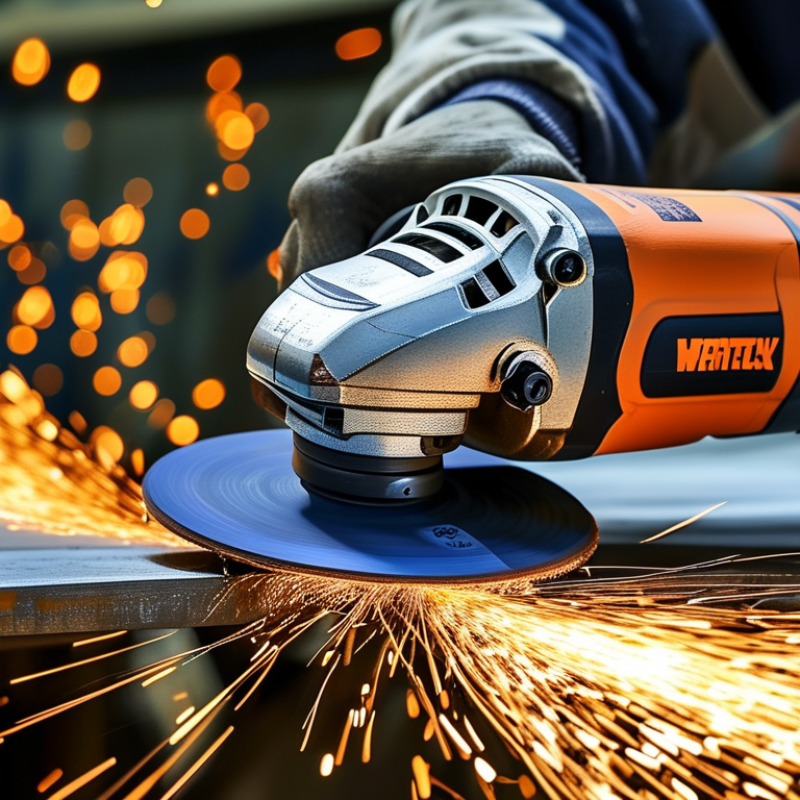
When working with metal, the choice of angle grinder disc significantly impacts your results. There are various types of discs available, each tailored for specific tasks. Cutting discs are thin and designed to slice through metal with precision. Their sharp edges make them ideal for creating clean cuts. In contrast, grinding discs are thicker and are used for shaping and removing material. They provide a smoother finish but may take longer for cutting.
Flap discs are another option worth considering. These discs consist of multiple overlapping pieces of sandpaper-like material. They are effective for blending edges and achieving a polished look. For heavy-duty tasks, use a metal wire brush disc for removing rust or old paint. However, it's crucial to consider the type of metal you are working with. Different metals respond differently to various discs.
Choosing the right disc requires experience and testing. Not every disc will yield perfect results. Sometimes, you may find that a disc wears out too quickly or does not meet your performance expectations. Use trial and error to refine your selections. Ensure safety measures are in place while you experiment with different discs. Embrace the learning process, as it will ultimately lead to better outcomes in metal work.
Key Specifications for Selecting Angle Grinder Discs: Diameter and Thickness
When selecting an angle grinder disc for metal work, understanding the diameter and thickness is essential. The diameter of the disc affects its cutting speed and depth. For instance, a 4.5-inch disc typically speeds up metal cutting tasks. According to industry data, discs with a larger diameter can offer faster cuts but may be more challenging to control. Smaller discs, like those measuring 4 inches, provide enhanced precision for detailed work.
Thickness is another crucial specification. Thicker discs (greater than 1/8 inch) tend to be sturdier and last longer, especially under heavy-duty use. However, they may create more heat and sparks, which could be a safety concern. A report from the American National Standards Institute suggests that thinner discs are excellent for quick cuts and less material removal, while thicker ones work better for grinding tasks. Balancing cutting speed and control is vital when choosing the right disc.
It’s important to reflect on your specific needs. Not all projects require the same disc specification. Beginners might struggle with larger, thicker discs due to weight and control difficulty. It’s a common oversight to choose what seems powerful without considering the project's demands. Prioritize understanding your workspace and the nature of your work to make an informed choice.
How to Choose the Best Angle Grinder Disc for Metal Work? - Key Specifications for Selecting Angle Grinder Discs: Diameter and Thickness
| Diameter (mm) |
Thickness (mm) |
Material Type |
Recommended RPM |
Best Use Case |
| 115 |
6 |
Aluminum Oxide |
12,000 |
Cutting Thin Metals |
| 125 |
6 |
Zirconia |
10,000 |
General Cutting |
| 150 |
7 |
Diamond |
8,000 |
Grinding Hard Materials |
| 180 |
7 |
Ceramic |
7,000 |
Heavy Grinding |
| 230 |
9 |
Aluminum Oxide |
6,500 |
Cutting Thick Metals |
Material Composition of Discs: Choosing Between Aluminum Oxide and Zirconia
When choosing a grinder disc for metal work, the material composition is crucial. Two popular options are aluminum oxide and zirconia. Each type has unique properties that affect performance and durability.
Aluminum oxide discs are commonly used and widely available. They perform well on softer metals like aluminum and brass. However, they can wear out quickly on harder metals. A study from the Industrial Manufacturing Journal found that aluminum oxide discs can last about 25% less time compared to zirconia when used on stainless steel. They may require frequent changes, which can slow down productivity.
Zirconia discs, on the other hand, are designed for heavy-duty tasks. They possess superior hardness and better wear resistance. This makes them suitable for tougher metals and longer usage. Data from the Metalworking Industry Report indicates that zirconia discs can last up to 50% longer than aluminum oxide discs, making them a more cost-effective choice in the long run. However, they can cost more upfront, which may require a reassessment of budget priorities for projects.
Understanding these differences helps in making informed choices. Consider the specific metal types you'll be working with. Are you primarily dealing with softer materials, or do you often tackle steel and similar alloys? Knowing your primary tasks can guide you to the most suitable disc type. This decision impacts not only efficiency but also the quality of your metalwork.
Assessing Disc Grit Sizes: Which Grit for Different Metal Applications?
When selecting an angle grinder disc for metal work, the grit size is crucial. Different applications require different levels of abrasiveness. For polishing and finishing, finer grits like 120 to 200 work best. These allow for a smooth, reflective surface, essential in high-quality metalwork. In contrast, for heavy-duty tasks such as grinding welds or removing rust, coarser grits ranging from 36 to 60 are more effective. According to industry data, using the right grit can enhance productivity by up to 25%.
Understanding the right grit for your work type can save time and effort. For example, using a 60-grit disc for initial grinding can quickly remove material. However, transitioning to an 80 or 120-grit disc afterward will smooth out the surface more effectively. Meanwhile, a 240-grit disc can prepare the metal for painting or coating. This sequential approach often feels intuitive, but the choice can impact the end result significantly.
It's essential to reflect on these choices. Picking too coarse of a grit may leave deep scratches. This creates more work in the finishing phase. Conversely, using a fine grit initially might lead to inefficient material removal. Balancing grit size with the task at hand can optimize results and reduce labor. Industry standards suggest that understanding these nuances can increase the lifespan of discs and improve overall metal work quality.
How to Choose the Best Angle Grinder Disc for Metal Work
This chart compares different grit sizes of angle grinder discs suitable for various metal applications. Each grit size is assessed based on its effectiveness in grinding, cutting, and finishing metals.
Safety Standards and Best Practices for Using Angle Grinder Discs in Metal Work
When using angle grinder discs for metal work, safety must be a priority. Ensure that you wear personal protective equipment (PPE) at all times. This means using safety goggles, gloves, and a face shield to protect against flying debris. A good pair of non-slip shoes is also crucial to prevent accidental falls.
It’s vital to inspect the angle grinder and discs before use. Look for any cracks or defects in the disc. Even minor imperfections can lead to dangerous accidents. Ensure the disc is properly mounted and secured on the grinder to avoid it detaching during operation. Always maintain a firm grip and keep both hands on the tool while working to enhance stability.
Understanding the impact of sparks is also important. They can ignite nearby flammable materials. Keep your workspace clean and free of any combustibles. Check the manufacturer's guidelines for recommended practices. Follow safety standards to minimize risks. Be aware that even experienced users can face challenges, so continuous learning and reflection on practices are key.