China Top Stainless Steel Stamped Parts Manufacturing and Applications Guide?
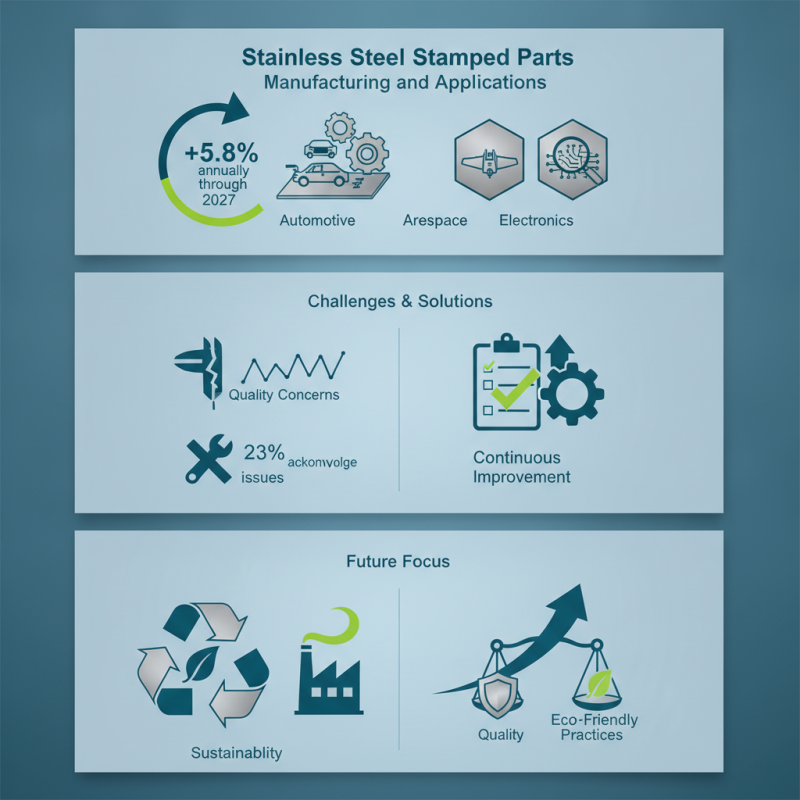
In recent years, the demand for Stainless Steel Stamped Parts has surged in various industries. According to a report by Smithers Pira, the global market for these parts is projected to grow by 5.8% annually through 2027. This growth is driven by the increasing need for durable and corrosion-resistant components in sectors such as automotive, aerospace, and electronics. Industry expert Dr. Lisa Chen states, “Stainless Steel Stamped Parts are essential for modern applications due to their unmatched strength and versatility.”
Despite these advancements, the industry faces challenges. Quality control remains a critical concern as manufacturers strive to meet stringent standards. Issues such as inconsistent tolerances and surface finishes plague many producers, which can compromise product integrity. As noted by the International Stainless Steel Forum, 23% of manufacturers acknowledge that quality issues hinder growth. Hence, continuous improvement practices are necessary for maintaining competitiveness in the market.
Moreover, sustainability must be a priority. Stainless steel is recyclable, yet many processes generate waste. Manufacturers are now exploring technologies that minimize environmental impact while optimizing production. The push for eco-friendly practices is reshaping how companies approach their operations. As the demand for Stainless Steel Stamped Parts rises, both quality and sustainability will play pivotal roles in shaping the future of the industry.
Overview of Stainless Steel Stamped Parts in China
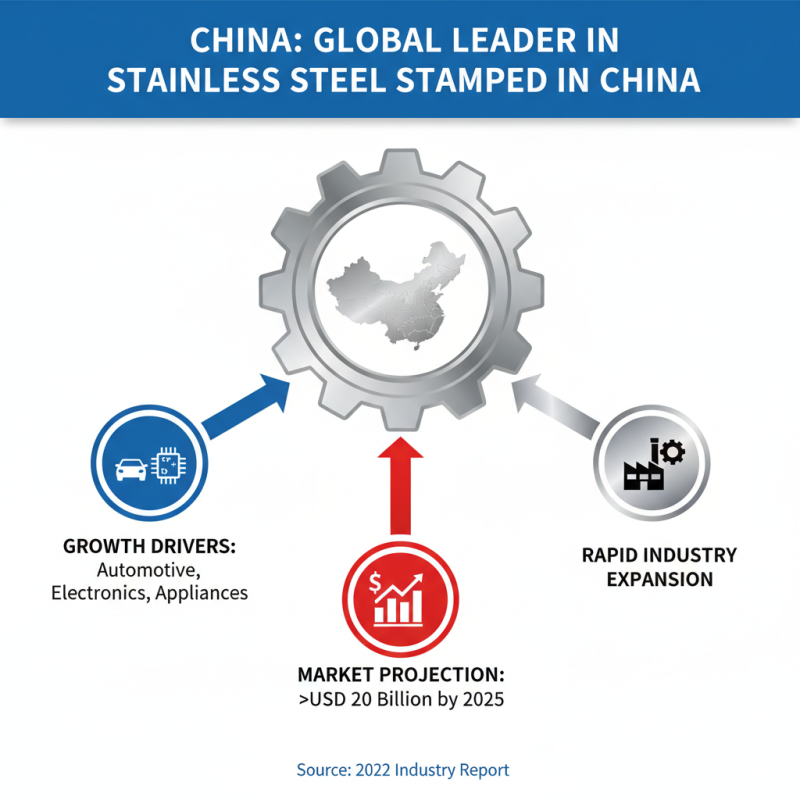
In recent years, China has emerged as a leader in the manufacturing of stainless steel stamped parts. This industry has experienced rapid growth, driven by increasing demand across various sectors, including automotive, electronics, and appliances. According to a 2022 industry report, the market for stainless steel stamped parts in China is projected to reach over USD 20 billion by 2025. This growth underscores the importance of these components in contemporary manufacturing processes.
Stainless steel, known for its durability and corrosion resistance, is the material of choice for many manufacturers. The flexibility of stainless steel stamping allows for complex designs. However, achieving precision in production remains a challenge. Factors such as tooling wear and material inconsistencies can lead to defects in the final product. A recent survey highlighted that about 15% of manufacturers experience quality issues related to these factors. Addressing these concerns through better quality control and advanced technology is essential for sustaining growth in this competitive market.
The application of stainless steel stamped parts spans various industries. In automotive production, these parts contribute to weight reduction and fuel efficiency. For electronics, they ensure stability in product composition. Yet, the industry faces pressure to innovate continually. Environmental regulations are pushing manufacturers to adopt sustainable practices. Balancing cost-effectiveness with eco-friendly solutions is a complex task. A holistic approach combining technology and sustainability is crucial for future success in this field.
Key Manufacturing Processes for Stainless Steel Stamped Parts
The manufacturing of stainless steel stamped parts involves several key processes that influence the final product's quality and functionality. Stamping is one of the primary methods, which involves shaping metal sheets through mechanical tools. This process can produce complex geometries with exceptional precision. According to industry reports, over 70% of manufacturers prefer stamping due to its efficiency and adaptability.
Die cutting is another critical process. It utilizes sharp blades to cut sheets into required shapes. This method not only ensures uniformity but also minimizes waste. Statistics show that manufacturers reduce material costs by up to 15% with this technique. Additionally, the use of advanced CNC machines has enhanced the precision of stainless steel parts. However, the reliance on technology raises concerns about operator skill levels and potential machine errors.
Welding and assembly processes follow stamping. These steps are vital to ensure parts fit together correctly. Studies reveal that improper assembly can lead to a 30% increase in rejection rates. Moreover, every manufacturer faces challenges like maintaining consistent quality. Continuous improvements and employee training are essential to address these issues and enhance production outcomes.
China Top Stainless Steel Stamped Parts Manufacturing and Applications Guide
| Part Type |
Material Grade |
Manufacturing Process |
Common Applications |
Thickness Range (mm) |
| Bracket |
304 |
Stamping |
Automotive |
1.0 - 3.0 |
| Washer |
316 |
Deep Drawing |
Marine |
0.5 - 2.0 |
| Cover Plate |
430 |
Precision Stamping |
Electronics |
0.8 - 4.0 |
| Mounting Bracket |
301 |
Laser Cutting |
Construction |
1.5 - 5.0 |
| Clips |
410 |
Bending |
Furniture |
0.3 - 1.0 |
Common Applications of Stainless Steel Stamped Parts in Various Industries
Stainless steel stamped parts find broad applications across various industries. Their strength and corrosion resistance make them suitable for environments exposed to harsh conditions. In the automotive sector, these components contribute to durability and safety. For example, brackets and housings endure stress while keeping other parts intact.
In electronics, stainless steel stamped parts offer precision and reliability. They serve as connectors and enclosures, protecting sensitive circuitry. Companies often face challenges in sourcing these parts due to variation in quality. This inconsistency can lead to performance issues, highlighting the need for stringent quality checks.
Beyond automotive and electronics, the medical field benefits from stainless steel components. Surgical instruments and equipment housings require high sterilization standards. While many manufacturers meet these demands, some struggle with precision. This inconsistency can impact patient safety and device effectiveness, emphasizing the importance of expertise in production techniques.
Quality Standards and Testing Methods for Stainless Steel Stamped Parts
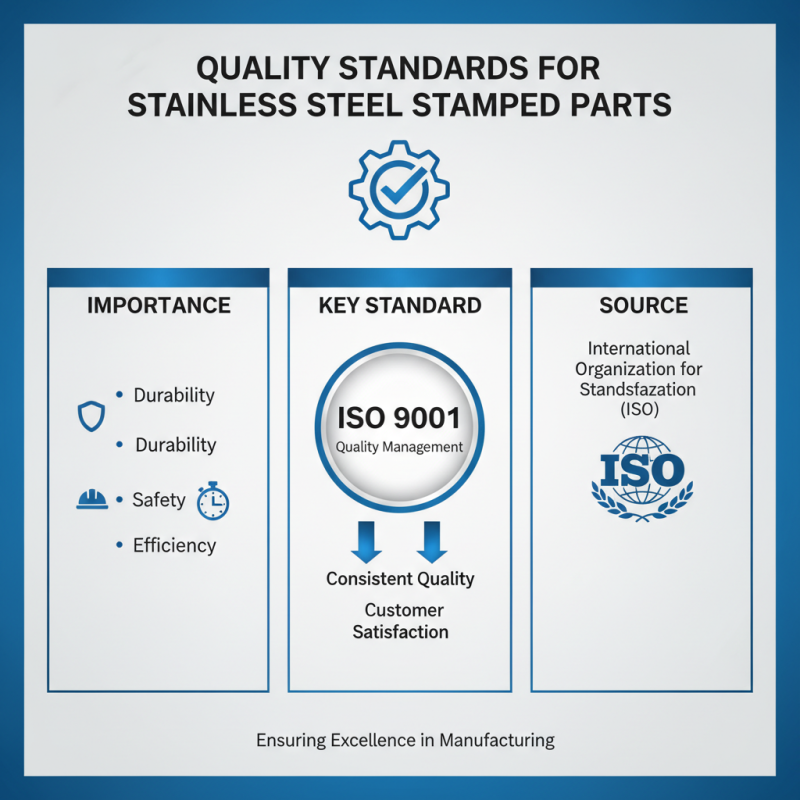
Quality standards for stainless steel stamped parts are crucial in various industries. These standards ensure durability, safety, and efficiency. According to the International Organization for Standardization (ISO), stainless steel parts should comply with ISO 9001 for quality management. This standard emphasizes consistent quality and customer satisfaction.
Testing methods for these parts are equally important. Techniques like tensile testing, hardness testing, and corrosion resistance tests are commonly used. A recent industry report highlighted that 27% of failures in stamped stainless steel parts are due to inadequate testing. Using proper methods reduces the risk of defects. Visual inspections are also useful for identifying surface irregularities.
The manufacturing process plays a vital role. Automated systems improve precision but may overlook subtle defects. Human oversight is necessary to catch imperfections that machines might miss. Balancing automation and manual inspection could yield better results. Continuous evaluation of testing methods is essential for maintaining high quality in stainless steel stamped parts.
Future Trends in Stainless Steel Stamped Parts Manufacturing and Usage
The future of stainless steel stamped parts manufacturing looks promising, as industries evolve. Technological advancements are driving innovation. Automation and artificial intelligence are being integrated into production lines, enhancing efficiency. Precision stamping techniques are now commonplace. This shift allows manufacturers to achieve tighter tolerances and reduce waste.
Moreover, the increasing demand for sustainable manufacturing practices is reshaping the sector. Companies are exploring eco-friendly materials and processes. There is a push towards recycling and reusing stainless steel. This trend not only boosts sustainability but also reduces costs in the long run. However, challenges remain. Ensuring quality in recycled materials can be difficult.
Consumer expectations are also changing. Industries must adapt their designs and applications to meet new standards. The automotive and aerospace sectors are particularly affected. Lightweight yet durable parts are crucial for energy efficiency. As these trends continue, manufacturers must remain agile. Adapting to market needs while maintaining quality can be a fine balance.
China Top Stainless Steel Stamped Parts Manufacturing and Applications Guide